

[비즈한국] K-Pop has become South Korea's premier export. However, deep shadows linger behind the glamour. Idols, the symbols of K-Pop, are scouted at a young age and undergo grueling trainee periods. In this process, labor rights and human rights are frequently ignored. What happens to the countless trainees who never even make it to debut? Through the ‘K-Pop: Idols in Wonderland’ series, Bizhankook aims to highlight the problems that have been overlooked during the growth of K-Pop and examine potential alternatives from various angles. We believe that when those who create K-Pop become healthier, those who enjoy K-Pop will also be happier.
The J-Pop craze is no small matter. As J-Pop gains popularity in Korea, visits from Japanese artists for "in-Korea" concerts have become frequent. Beyond legends like BUMP OF CHICKEN and Official Hige Dandism, new Japanese bands gaining attention in Korea, such as YOASOBI and King Gnu, are also on the rise. The most notable characteristic of the J-Pop in demand locally is that it is "band music." In Korea, where K-Pop idol music is the mainstream, bands are gaining popularity "like idols."
As Japanese bands gain traction, recent attempts are being made in Korea to cultivate idol bands. How are bands born and how do they operate in Japan? We explored the reasons why bands are able to thrive in Japan.
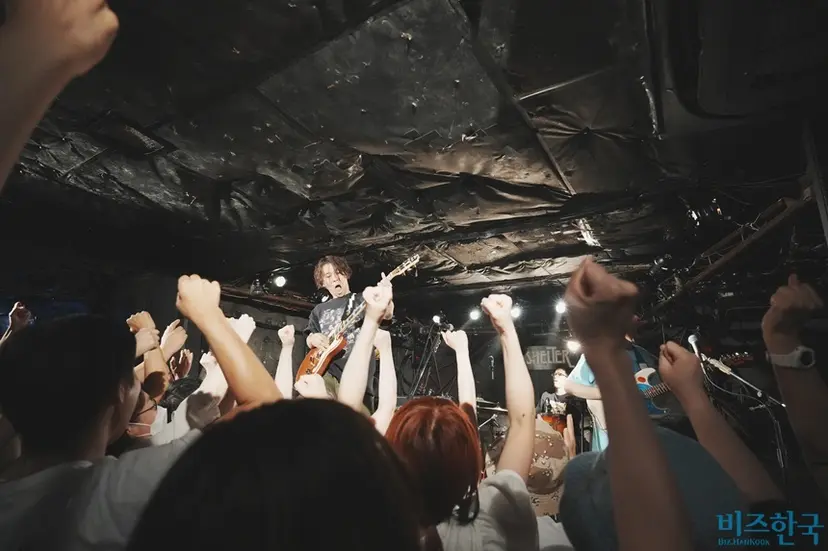
Forming Bands Through "Club Activities" and "Circles"
In Japan, club activities are considered as important as studies. Both "Bukatsudo" (club activities), which are often said to be harder than studying, and "Circle activities," which are relatively more relaxed, are forms of extracurriculars. Perhaps because they are focused on arts and sports, many Japanese bands are formed in school clubs. SHISHAMO, a Japanese band scheduled for a concert in Korea on December 7, was also formed in their high school's light music club.
Akira Nonaka, who lives in Tokyo, is a young man who just graduated from university. Although he is about to join one of Japan's largest electronics companies, music has always been a part of his life throughout his school years. This is because he participated in music clubs and circle activities from elementary school through university.
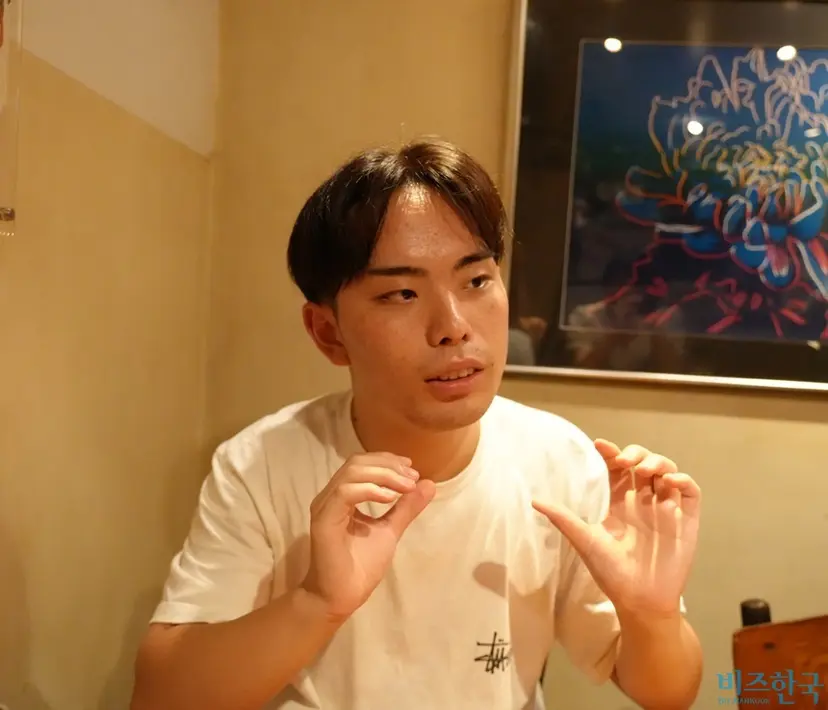
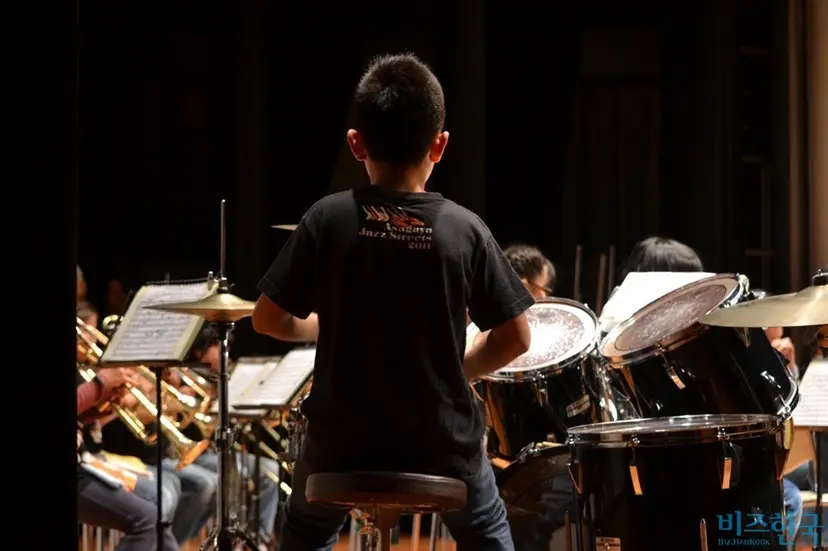
Akira participated in club activities from elementary school. He joined the wind ensemble and played percussion instruments. He had to dedicate time to the ensemble once or twice a week. From middle school, the intensity increased. His wind ensemble was notorious for its rigor; Akira had to practice every morning and evening. They also participated in competitions every year. He continued his ensemble activities in high school. While preparing for the school festival with friends, he also formed a band. Akira explained, "When I entered university, I joined a light music circle. It was difficult to continue with regular club activities because the practice load was too heavy, but I joined a circle band because I loved music."
Although Akira treated music as a "hobby," quite a few of the acquaintances he met through these activities have become professional musicians. "In Japan, club and circle activities are very active. Most musicians are produced here. Previously, many came from high school clubs, but the trend lately is that more are coming from university circles," Akira explained.
Bocchi the Rock! Visiting Shelter
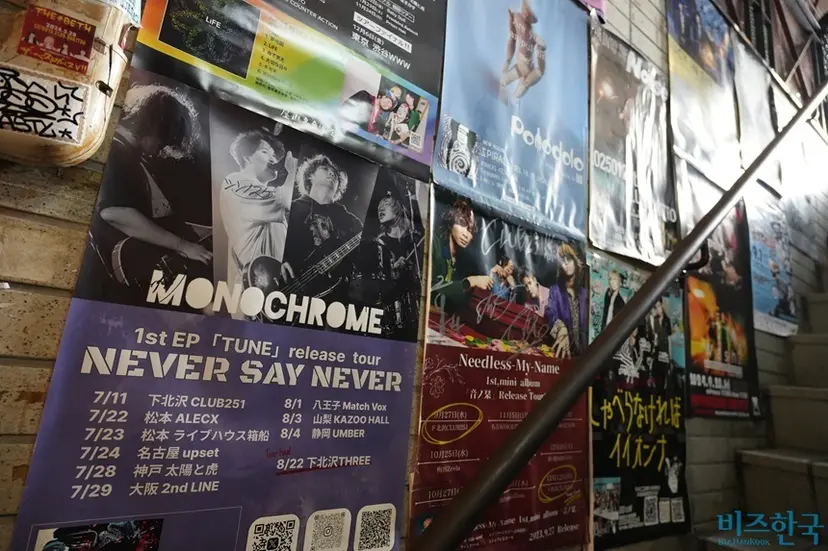
What about currently active Japanese bands? In Tokyo's Shimokitazawa, often called the "Hongdae of Japan," live houses and band practice rooms are tucked away in every alley. Those who pursue band activities while holding down full-time jobs perform at these various live houses. They may not be household names, but their skills are exceptional. Bands like BUMP OF CHICKEN, Mr. Children, and GLAY also got their start in live houses. People walking the streets with guitar cases were a common sight.
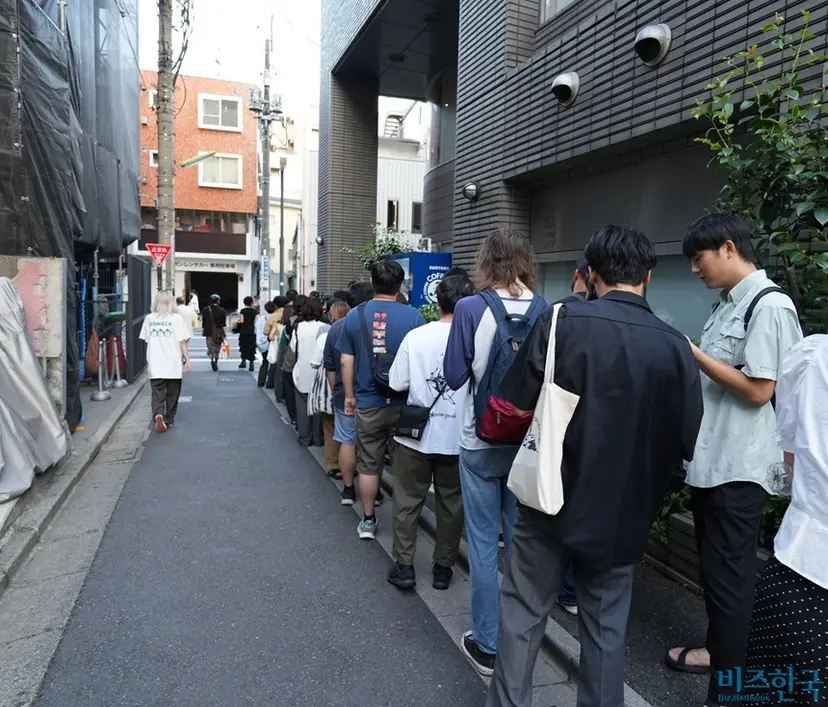
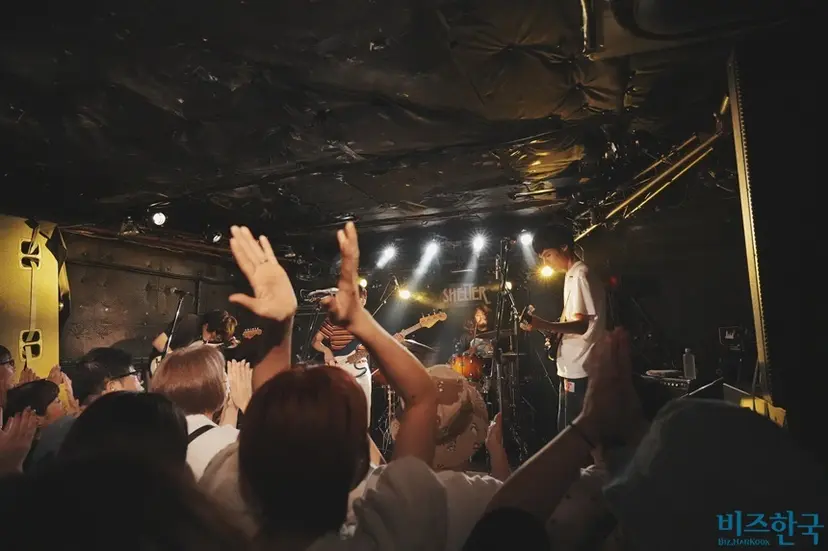
The streets of Shimokitazawa and the local live house, Shelter, have recently attracted many Korean tourists after becoming the setting for the Japanese anime 'Bocchi the Rock!'. For those who love band music, "Shelter" is a must-visit spot. Concerts are held every evening, and they are so popular that tickets are hard to come by. Getting on the performance lineup at Shelter is also a difficult feat. Bizhankook visited Shelter in Shimokitazawa, Tokyo, on August 17.
The lineup that day included "Nerd Magnet, Veranda, and Pavilion." The main act, Nerd Magnet, is a relatively well-known Japanese rock band. Since they are based primarily in Osaka, it was a rare opportunity to see them in Tokyo. Even before the concert began, Shelter was overflowing with people who came to see Nerd Magnet. A Shelter representative said, "On average, about 100 people come to Shelter daily. On the 17th, when Nerd Magnet performed, we had over 150 people."
Balancing Work and Music… Live Houses Make Sustainability Possible
Nerd Magnet released their first album in 2019, but they have been active since 2006. Vocalist Ryota Sugada formed the band in his university's light music club. Before that, he taught himself music using a guitar he received from his uncle. Ryota, who majored in international relations, continued the band in earnest because he started music as a "hobby." "At first, I balanced band activities with my university studies. Then came the time to look for a job, and I continued the band even after I got employed. That has been going on for 10 years now."
Nerd Magnet’s bassist, Ako, is entirely self-taught. She joined the band later to become a member. "I still don't know music theory," Ako explained. "I copied many songs and learned the patterns. I learn music by listening with my ears first and finding where the sounds come from."
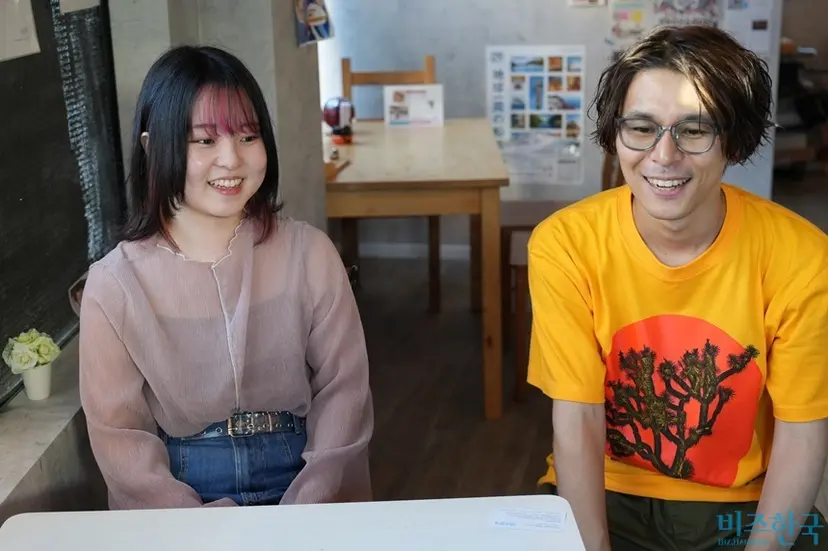
They meet weekly to practice. They perform at live houses on weekends and practice on weekday evenings. They also have an agency, Thistime Records, which handles their schedules and album production. How is it different from Korean agencies? Ryota says the agency never interferes with their private lives. "We only discuss practical matters with the agency. We talk about schedules, such as when to shoot music videos, when to tour, and how to book venues."
How are the music genre and album concept decided? Work related to music is entirely up to the members of Nerd Magnet. Ryota usually composes the songs, and when enough are collected, they discuss releasing an album. The agency's role begins here. "We mostly perform power pop music. We set the concept based on this genre, but looking at other bands, many seem to perform without being restricted by genre."
However, they admit that it is difficult to make a living solely through band activities. Ryota said, "Since we live in Osaka, coming to Tokyo for a performance like today incurs high costs for transportation and accommodation. There is revenue from merchandise and album sales, but for now, it seems our income and expenses are about the same."
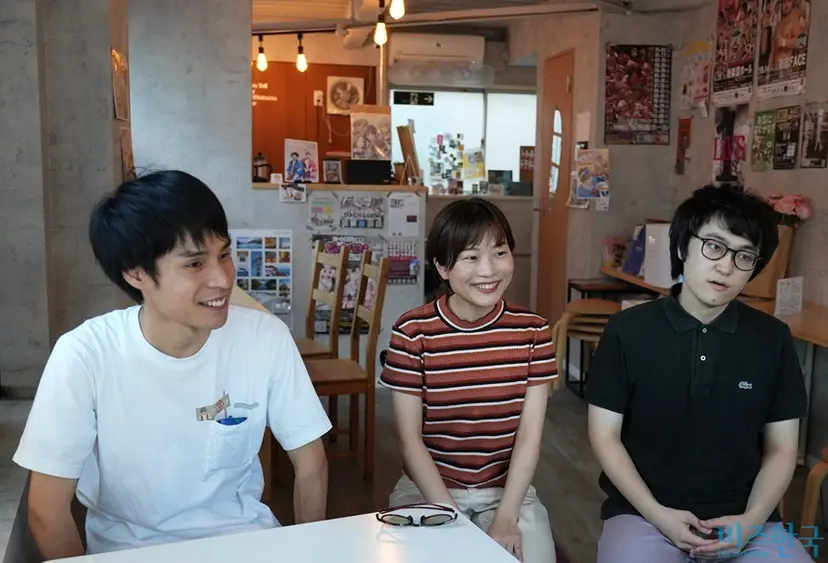
Regardless of profit, there are plenty of opportunities to be active because live houses are located throughout the city. The same applies to "Veranda" and "Pavilion," both of which operate independently without an agency.
Formed about 10 years ago, Veranda started in a university circle. All the members of Veranda, who are still actively performing, have separate day jobs. They also meet 1–2 times a week to practice and perform on weekends. The members handle the release and promotion of their albums themselves.
The newcomer band Pavilion, formed four years ago, also met through university club activities. All members are self-taught and only learned music upon reaching university. Having just graduated, the members of Pavilion are debating whether to commit fully to the band or get jobs. However, because there are many cases of people balancing work and band activities, they said their families do not oppose their musical pursuits.
Members of Veranda and Pavilion unanimously emphasized that Japan has a structure that allows bands to flourish naturally. Veranda members explained, "Japan seems to have an environment where bands easily emerge. This is because there are many band clubs in high schools and universities, creating an environment where one can start music from a young age." Pavilion echoed this, saying, "There are many live houses where you can perform, centered around Shimokitazawa. It would be difficult to start with a large scale, but there are many parts you can do yourself because you start small."
※The next installment will cover articles on alternatives for an idol training system found within public education.
※This project was supported by the Press Promotion Fund, created with government advertising fees.
![[K-Pop: Idols in Wonderland] Nordic fans: "We love K-Pop, but we don't want to become idols"](https://s.bizhankook.com/attachments_thumb/2026/05/92402_thumb.webp)
![[K-Pop: Idols in Wonderland] Why Swedish composers from the 'Land of ABBA' are creating K-Pop](https://s.bizhankook.com/attachments_thumb/2026/05/92416_thumb.webp)
![[K-Pop: Idols in Wonderland] Asking 'What is Better K-Pop' at Sweden's 'Heavy Metal Mecca' Rock Festival](https://s.bizhankook.com/attachments_thumb/2026/05/92427_thumb.webp)
![[K-Pop: Idols in Wonderland] The Secret Behind Japan’s Endless Stream of Talented Bands Lies in Schools](https://s.bizhankook.com/attachments_thumb/2026/05/92450_thumb.webp)
![[K-Pop: Idols in Wonderland] "Raising Idols Through Public Education": A Visit to a K-Pop High School](https://s.bizhankook.com/attachments_thumb/2026/05/92330_thumb.webp)
![[K-Pop: Idols in Wonderland] K-Pop Must Break Free from the Same ‘Success Formula’ to Survive](https://s.bizhankook.com/attachments_thumb/2026/05/92469_thumb.webp)