

[비즈한국] K-Pop has become South Korea's top export. However, behind the glamour, the shadows are deep. Idols, the symbols of K-Pop, are scouted at a young age and go through grueling training periods. In that process, labor and human rights are frequently ignored. What happens to the countless trainees who never even get to debut? Through the series 'K-Pop: Idols in Wonderland,' BizHankook aims to highlight the problems that have been ignored while K-Pop was growing, and to examine alternatives from various angles. We believe that when those who create K-Pop become healthier, those who enjoy K-Pop can also become happier.
Idols on stage, shining brightly. Hearing the news of a ‘death’ of a popular idol who was at the peak of their career is always devastating, but it is no longer surprising. Many ‘young’ K-Pop stars have passed away. Each time it happens, the agency’s system comes under fire. The criticism is that the mental pressure is severe because they live under strict control from a young age. We met with Bang Min-soo, a former member of the boy group Teen Top, and asked him why he quit being an idol.
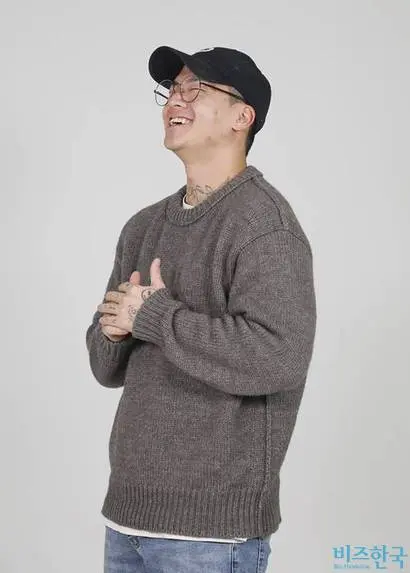
If only I hadn't been an 'idol'…
"Beep, beep…." The faint ringtone in the early morning was not enough to lift my exhausted body.
Upon waking up in the morning, Min-soo heard the news of the passing of an idol colleague. There was a missed call from the early morning. With trembling hands, I clicked it. It was the person in the obituary. He had called me just a few hours ago. He was a friend who had never once said it was hard. Guilt pressed down on my chest.
The group chosen by the "TOP 100 Ear" national MC Yoo Jae-suk. Last year, MBC's 'Hangout with Yoo' sought them out. It was a rare opportunity for a '2nd generation' idol group that debuted in 2010. Fans cheered, and the public started listening to their songs again.
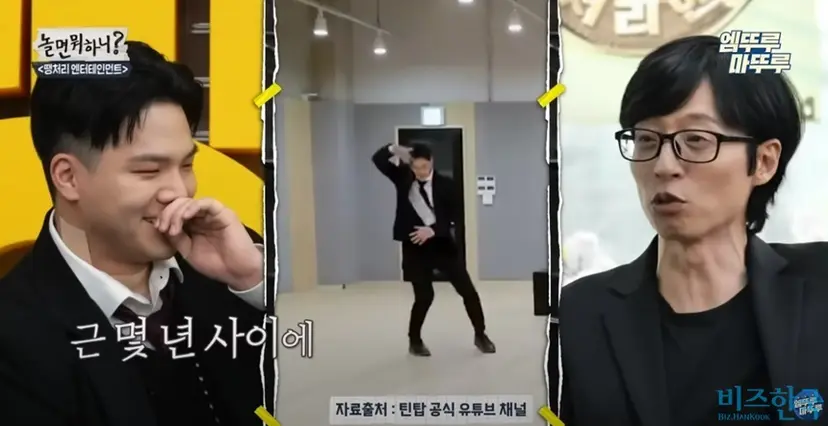
However, Min-soo gave up the opportunity that might have become his second heyday. Some pointed fingers at him, saying he had ‘thrown dirt’ on the team. That was how he finally ended his 13-year idol life.
Now, he draws the pictures he likes and broadcasts as 'Bang Min-soo.' Min-soo smiled brightly, saying that manual labor is better than being an idol. "I occasionally get messages of 'thank you' from current idol friends. Even from friends I've never met personally. They know, too. How strange this industry is…."
Min-soo's expression was relieved. He firmly drew a line, stating he had no regrets about being an idol. I asked him, "If you weren't an idol, would you have continued as a singer?" His eyes wavered for a split second. Then, his lips parted. "Yes. If I had been just a singer, I wouldn't have quit. I still like rapping."
13 years as an idol, I gained insomnia
At 18. Min-soo, who loved drawing, received a casting offer. The singers on stage were cool. "I took on the challenge because they looked cool and I thought I should try it at least once."
The trainee period was short. Gifted in 'rap,' he joined the debut group right away. "The agency was small and short on capital, so we prepared and debuted in a rush. I was a trainee for about six months. For six months, we practiced our debut song repeatedly."
After becoming a trainee, he couldn't go to school. Min-soo's day was the same every day. He woke up at 8 AM and exercised until 10 AM. After that, it was a repeat of practice until 10 PM. He danced and sang for 12 hours. "We practiced in the same routine, Monday through Sunday. We made every move, from live vocals to dancing, exactly the same. At the time, I didn't know what the public would like. So I had to be good at ‘everything.’ I had to dance hard and perform live perfectly. I spent six months like that."
At 19. Min-soo debuted under the name 'C.A.P.' The start was smooth. There were no 'conflicts with the agency' common in the industry. They had several hit songs. They became a 'top' idol group, fitting for their name. The unexpected obstacles were elsewhere. "The profit sharing and treatment were okay. Still, there was a limit. Ultimately, it was a job where I had to erase 'myself.' Teen Top's C.A.P was 'someone else,' not Bang Min-soo. I was just 'acting'."
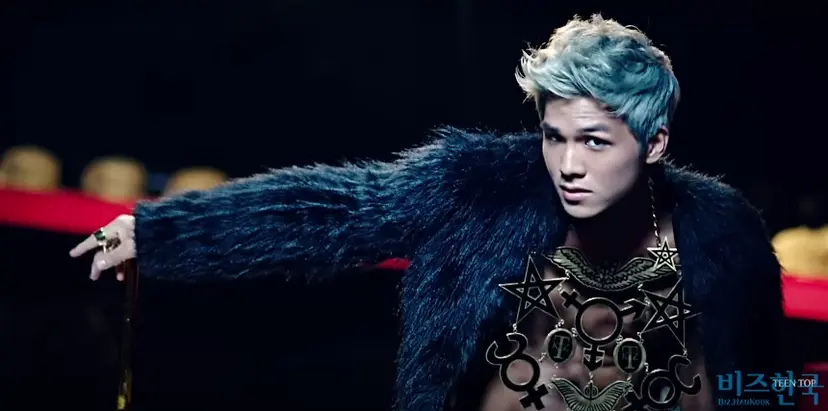
As the market grew, the ways to ‘commercialize’ idols became more diverse. They sell photo cards, and fans can exchange private messages with their ‘bias.’ If you spend millions to tens of millions of won, you can get a chance to meet the idol in person to take photos or have a video call.
"The way I see it, being an idol is about giving dreams and hope. I think we can make the public happy through the stage. I started because I loved singing and performing, but the reality of an idol was that it was a job of sexual objectification. It’s something any person could do, but idols aren't allowed to do that. I think this is also why the standards are uniquely strict for idols compared to other entertainment professions."
Idols must unite to survive
Idols had no outlet to relieve their mental pressure and pain. "Looking at the idols around me, 9 out of 10 feel disillusioned and struggle. The problem is that even if they are stressed, they can't show it and have to keep hiding it. I feel that because they keep bottling up their emotions, a lot of bad things happen."
Min-soo developed insomnia. He could only sleep once every 2 to 3 days. He wanted to know his own state of mind. He studied psychology on his own and took related credits while serving in the military. He tried endlessly to find peace of mind.
That is how he endured 13 years. "Actually, I wanted to quit all the time. Each time, the members and acquaintances dissuaded me. 'Just one more, just one more'—that’s how I got this far."
In 2023, C.A.P became Bang Min-soo again. Min-soo, who loved to draw, became an artist. He also became a teacher who teaches drawing. He runs a cafe, and sometimes does 'weeding' work as a part-time job. He occasionally does YouTube broadcasts too. He is living not as an idol, but as an artist, a cafe owner, a YouTuber, and a teacher.
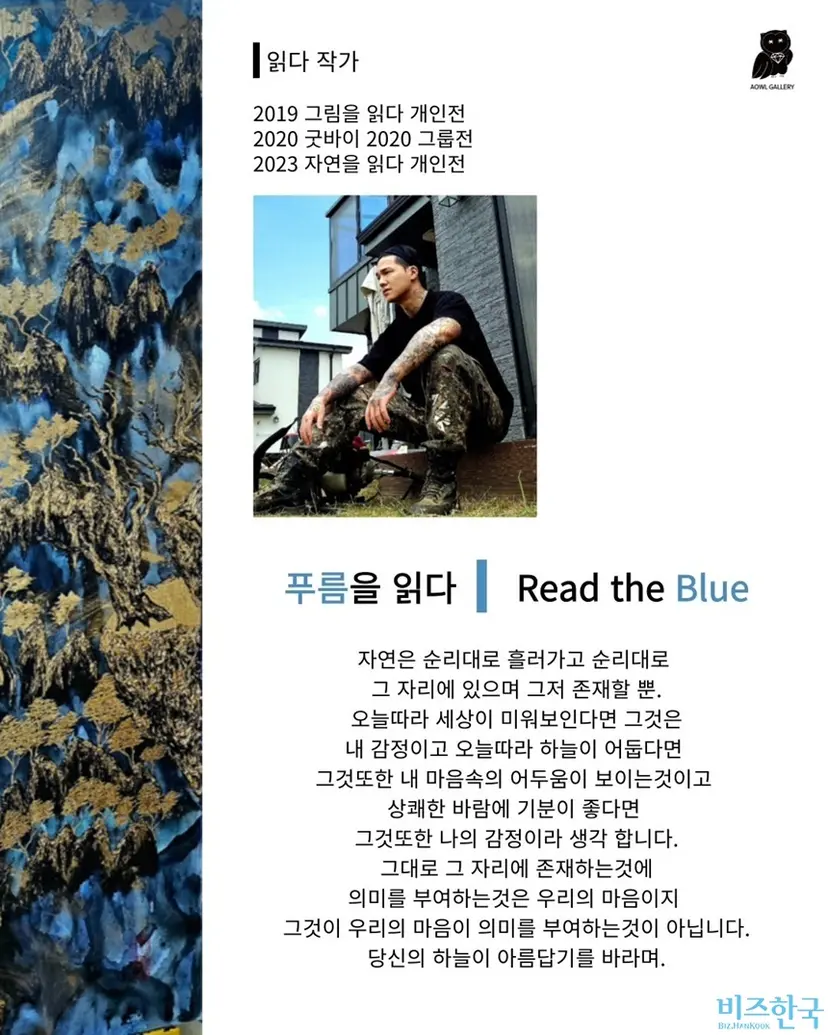
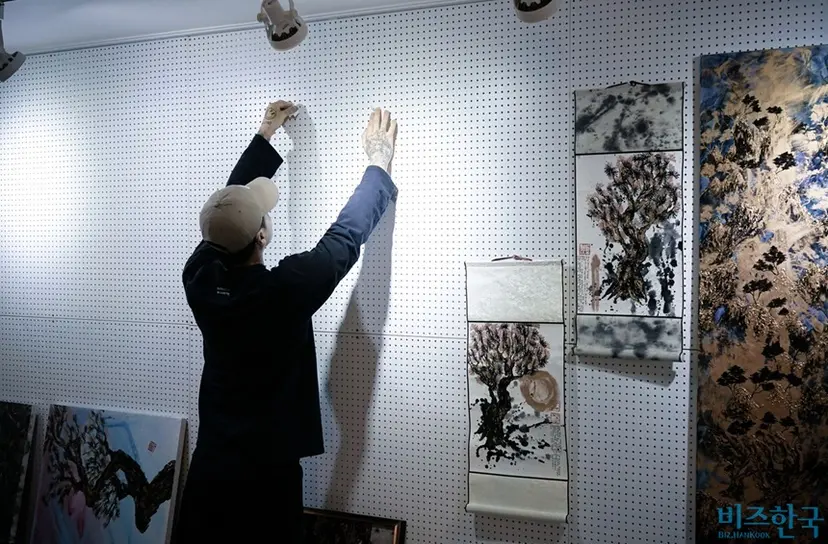
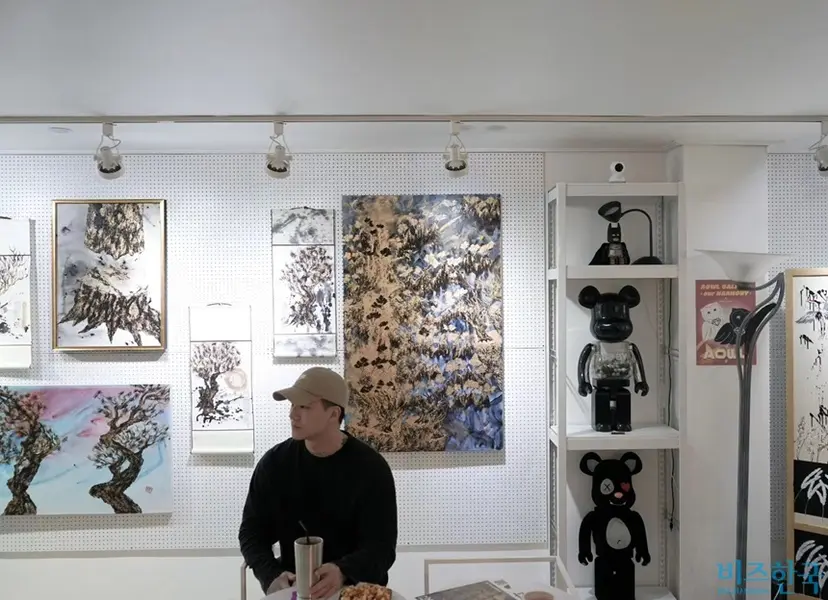
He says he is 'happy' now. "Actually, I had many worries. I knew from the beginning that it wasn't a job that fit me, but when I hit my mid-20s, I worried a lot about whether there was anything I could do other than being an idol. However, I couldn't bear the stress. I was just lucky that I happened to have talent for drawing."
He says the idol culture must change. "(Idols) undergo enormous stress. I think if they don't talk about it, they can never release it. People in companies form unions. Idols need to unite, too. There must also be people who speak out about the problems in the K-Pop industry."
Min-soo believes the idol industry shouldn't disappear, but rather grow. "As a nation's competitiveness grows, the cultural industry becomes that much more important. I believe the industry can self-regulate as it grows. I think the country also needs to invest in K-Pop. Small agencies are, after all, small business owners. Revisions to exclusive contracts are also necessary. There are cases where they are held hostage because the investment costs are too high to lose. Even regular office workers move to other jobs to raise their salaries and build their careers. I believe the training period should be reduced to 1 year, and exclusive contracts to about 5 years."
※ The next installment will cover the problems of K-Pop seen by idol parents (an interview with a member of Highlight’s father).
<We await tips from those involved>
BizHankook plans to report intensively on stories about K-Pop and idols.
We invite tips from those who have experienced trainee or idol life firsthand, or those working in the K-Pop industry. allhyeon@bizhankook.com
※ This project was supported by the Korea Press Foundation with funds raised from government advertising commissions.
![[K-Pop: Idols in Wonderland] 10 Years as an Idol: Diets and Gastritis Were My Daily Routine](https://s.bizhankook.com/attachments_thumb/2026/05/91798_thumb.webp)
![[K-Pop: Idols in Wonderland] Why 'Danbalmuri' Member Yoojung Turned to 'Education'](https://s.bizhankook.com/attachments_thumb/2026/05/91811_thumb.webp)
![[K-Pop: Idols in Wonderland] Is a Binary Choice Between Nurturing and Regulation the Only Answer?](https://s.bizhankook.com/attachments_thumb/2026/05/91900_thumb.webp)
![[K-Pop: Idols in Wonderland] "Idols need a labor union too": A candid statement from Teen Top's C.A.P (Bang Min-soo)](https://s.bizhankook.com/attachments_thumb/2026/05/91907_thumb.webp)
![[K-Pop: Idols in Wonderland] "15-Year Slave Contract: They Said I Couldn't Consult a Lawyer"](https://s.bizhankook.com/attachments_thumb/2026/05/91969_thumb.webp)
![[K-Pop: Idols in Wonderland] Are Trainees Workers or Students?](https://s.bizhankook.com/attachments_thumb/2026/05/92017_thumb.webp)