

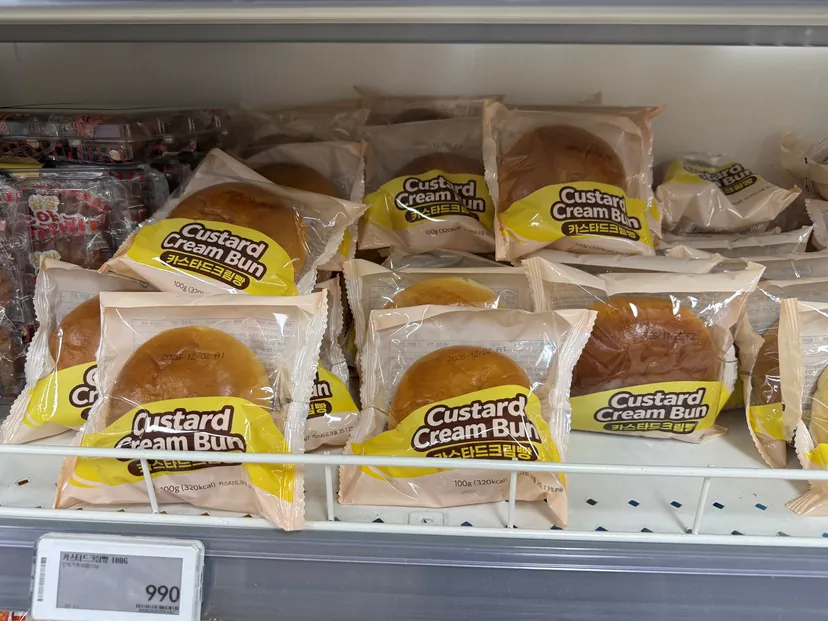
[비즈한국] Many consumers are surprised to find that the "consume-by" dates on Chinese-made sponge cakes and packaged breads, which are increasingly sold at large supermarkets and online malls, extend for months. Even though they are not refrigerated or frozen products, it is standard for them to have a shelf life of three to four months, and some even remain safe to eat at room temperature for nearly half a year. For consumers accustomed to domestically produced bread—which grows mold if left at room temperature for just a few days and typically has a short shelf life of about a week—this naturally raises questions. Just how do they make this bread in China?
The long-life Chinese breads currently being imported into Korea are not simply store-bought breads kept for a long time; they are processed foods specifically designed from the beginning for long-term room-temperature distribution, involving precise formulations, production processes, and specialized packaging. To extend the shelf life, manufacturers control not only the use of preservatives but also the moisture state within the bread, the acidity levels, microbial management during production, and the oxygen levels inside the packaging.
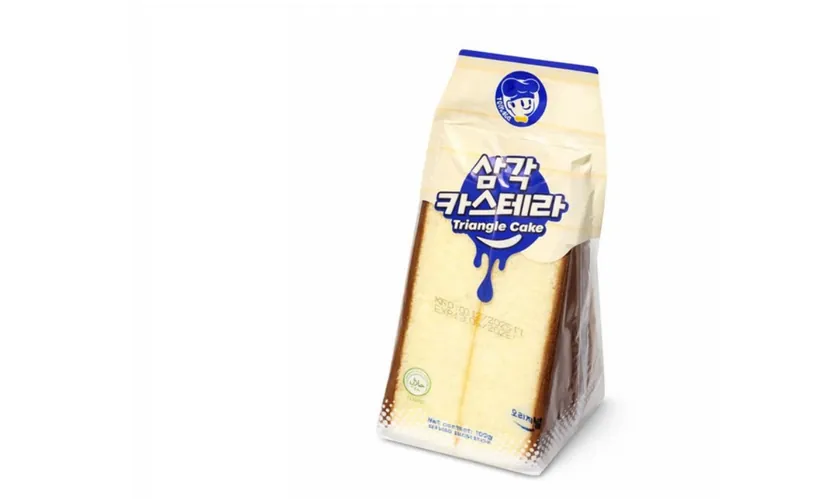
For example, the "Triangle Sponge Cake Original," manufactured by a company in Fujian, China, and registered with the Ministry of Food and Drug Safety’s Imported Food Information Portal, was manufactured on January 13, 2026, with a shelf life set until July 12. That is about six months. In addition to eggs, flour, sugar, and soybean oil, the ingredients include D-sorbitol solution, trehalose, glycerin, hydroxypropyl starch, calcium propionate, malic acid, and citric acid.
Another Chinese sponge cake has a shelf life of about four months. This product also contains D-sorbitol solution, fructose syrup, glycerin, sodium propionate, citric acid, and xanthan gum in addition to the standard eggs, flour, and sugar.
Why Doesn't It Spoil Despite Being Moist? The Key is the ‘State of Moisture’
One of the most important factors in bread spoilage is moisture. However, a high moisture content does not necessarily mean microorganisms will thrive. What matters is the "water activity," which refers to the level of moisture in food that microorganisms can actually utilize.
Long-life breads utilize ingredients like sorbitol, glycerin, and sugars. These substances prevent the bread from drying out excessively while binding with water, effectively reducing the "free water" available for microbial growth. While the bread feels and tastes moist, it creates an environment where it is difficult for microorganisms to proliferate.
This is why D-sorbitol solution and glycerin are consistently found in the ingredient lists of recently imported Chinese sponge cakes. Trehalose and modified starch also contribute to maintaining texture and moisture. Although they may look like the freshly baked sponge cakes we buy at local bakeries, their compositional makeup is significantly different.
On top of this, preservatives are added. Calcium propionate is used in the Chinese triangle sponge cake, and sodium propionate is used in other imported sponge cakes. Propionic acid and its salts are representative preservatives used to inhibit the growth of mold and certain microorganisms in foods like bread.
These are not unique additives used only in China. Under domestic food additive standards, propionic acid and sodium propionate are permitted for use in bakery products. According to Ministry of Food and Drug Safety standards, propionic acid and related salts may be used in bread at a level of no more than 2.5g per 1kg of bread. In other words, it is difficult to conclude that a product is dangerous simply because it contains preservatives. What matters is whether permitted additives have been used within the allowed limits.
Lowering Acidity to Create an Environment Unsuitable for Microorganisms
Long-life bread is not created solely by adding large amounts of preservatives. Various other technologies are employed simultaneously.
The presence of citric acid and malic acid in Chinese sponge cakes imported into Korea is for this same reason. They are used to control acidity, creating an environment where it is difficult for microorganisms to grow. By lowering water activity, adjusting acidity, and using preservatives, the product’s shelf life is maximized more effectively than if each technology were applied individually.
In the food industry, this method of layering multiple preservation techniques is commonly called "hurdle technology." It creates multiple obstacles that microorganisms must overcome, compensating for the limitations of relying on a single preservation method.
China's National Food Safety Standard for Food Additives, GB 2760-2024, also regulates which additives can be used in food and under what conditions.
Processing at the factory after the bread is baked is another factor that boosts preservation. While many microorganisms are eliminated as the bread passes through a high-temperature oven, the problem occurs afterward. If mold spores from the air, production equipment, or the work environment settle on the bread while it cools, even well-baked products will have a shorter shelf life.
According to data from the Chinese food industry media outlet FoodMate, which explains the causes of mold in long-life bakery production, key management factors include not only the hygiene of employees, equipment, and the production environment, but also the baking and cooling processes, ventilation in the cooling room, and the core temperature of the bread immediately before packaging. Specifically, the key is to lower the core temperature to about 38 degrees Celsius before packaging. If the bread is packaged while too hot, water vapor can condense inside the packaging, which actually makes mold growth more likely.
China Has Been Selling ‘6-Month Bread’ for a Long Time
In fact, while long-life Chinese bread may seem unfamiliar to Korean consumers, it is not a new product category in China. The early adoption of long-life bread in China is backed by the development of relevant technologies and the accumulation of patents. Since the 2000s, numerous patents have been filed in China for manufacturing methods that increase room-temperature shelf life by lowering water activity and acidity, and combining these with preservatives and deoxygenated packaging.
In 2015, the Chinese People's Daily reported on the shelf lives of packaged breads sold locally. While freshly baked bakery products typically last only 2 to 3 days, some natural yeast packaged breads can last up to 90 days, and French-style soft breads sold by brands like Daliyuan and Panpan can be stored for up to six months. Even then, it was noted that various additives like calcium propionate and potassium sorbate were being used in long-term preserved products.
China's vast territory and large-scale distribution networks are also factors behind the development of such products. To transport factory-made bread across thousands of kilometers and sell it at supermarkets or convenience stores for a long period, a different product design is required compared to bread baked fresh daily at a local bakery. Furthermore, as the e-commerce market grew, the advantages of long-life food suitable for nationwide delivery via courier became even more apparent.
The same applies to exports to Korea. If bread produced in a Chinese factory must go through shipping or land logistics and then pass through domestic warehouses and wholesale/retail distribution networks, a shelf life of only a few days would make the business unviable. With a shelf life of 4 to 6 months, inventory management and nationwide distribution become much easier for importers.
What is the Impact of Preservatives on Health?
The Ministry of Food and Drug Safety maintains that there are no issues regarding the toxicity of preservatives in these Chinese long-life breads. Calcium propionate and potassium sorbate, which are frequently pointed out as harmful ingredients, are food additives permitted for use in Korea, and they are considered safe if compliance with established usage standards is maintained. A test conducted by the Seoul Metropolitan Government and others earlier this March on approximately 620 products circulating in the market confirmed that all preservatives were within the standard limits and that no prohibited tar colors were detected.
However, food experts point out that it is necessary to distinguish between China’s long-life technology itself and the safety of individual products. In particular, they suggest that judgment should be based on the allowed standards and actual usage amounts rather than simply whether food additives are included. In fact, there was a case where a Chinese bread product manufactured in May 2026 was deemed non-compliant because an unpermitted preservative was detected. The Ministry of Food and Drug Safety records state that 0.070g of sorbic acid per 1kg was detected under the reason "other preservative detection."
Therefore, it is a hasty judgment to conclude that "all officially imported Chinese bread is safe" or, conversely, that "it is dangerous because it doesn't rot for months." One must examine the raw materials, additives, manufacturing process, and compliance with domestic standards for each individual product.
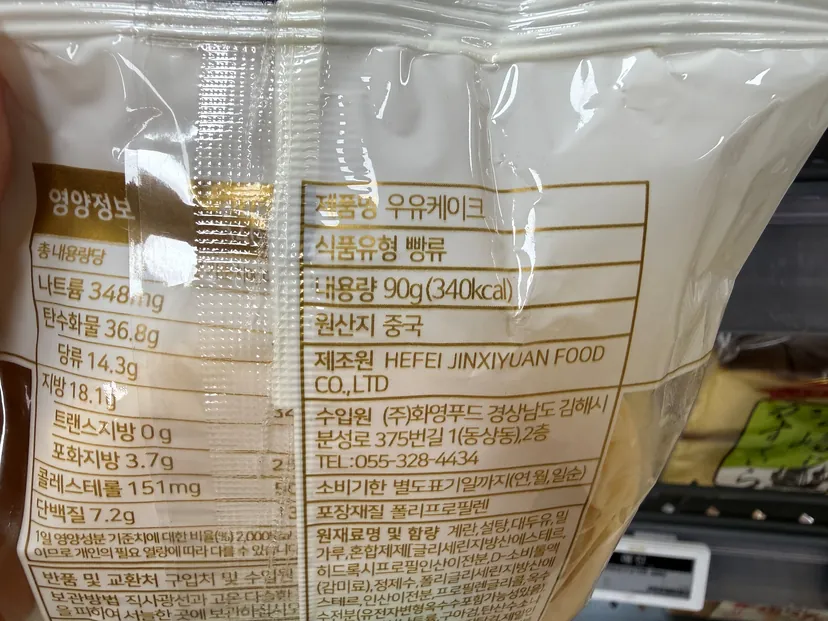
The simplest way for a consumer to verify this is by checking the Korean labeling on the back of the package. If sorbitol, glycerin, calcium/sodium propionate, and acidity regulators are all listed, it is highly likely that the product was designed for long-term distribution rather than being a simple bakery product.
Among these, calcium propionate and sodium propionate are preservatives that inhibit mold growth, and the Joint FAO/WHO Expert Committee on Food Additives (JECFA) evaluates their safety at general usage levels so highly that they do not even separately restrict the Acceptable Daily Intake (ADI) for propionic acid and its salts.
Sorbic acid and potassium sorbate are also used as preservatives to inhibit mold and yeast, and the JECFA ADI is 0–25 mg per kg of body weight per day. Sorbitol is a sugar alcohol-based sweetener and humectant; excessive intake can cause gastrointestinal symptoms such as bloating or diarrhea, and glycerin, a humectant that maintains moisture for a soft texture, should only be used within the range permitted for food.
Acidity regulators like citric acid and malic acid are also components generally processed through the body's metabolic pathways. Therefore, the core of safety assessment is not the fact that these ingredients are present, but whether the domestic permitted standards and usage amounts were followed.
However, the fact that these products withstand room temperature for several months also raises the fundamental question of whether this Chinese product should even be called "bread." It is pointed out that while they may resemble fresh bakery bread in shape and taste, they should essentially be viewed as completely different processed foods—unlike bakery bread, which is eaten within a day or two of being baked, these are mass-produced in factories and travel across the country or overseas for half a year. For consumers, it is most important to verify whether the product meets domestic usage standards and has gone through formal import and inspection procedures.