

[비즈한국] Seoul’s Seochon neighborhood in Jongno-gu is drawing attention once again as it regains vitality from foreign tourists looking to experience "Korean-ness" and a surge of younger visitors. While the influx of visitors is boosting the commercial district, the entry of outside capital and subsequent rent hikes are driving away merchants who have operated there for years.
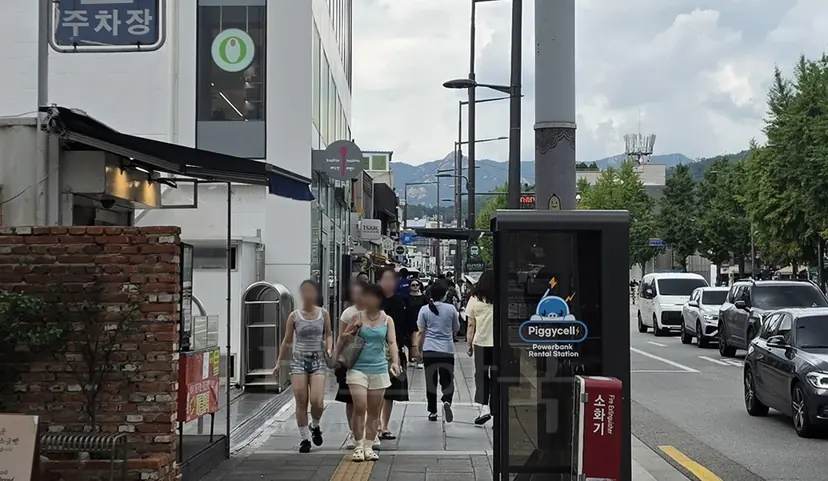
On the afternoon of the 27th, around 1 p.m., the Seochon area was filled with foot traffic despite the inclement weather. Tourists roamed the streets, taking photos in front of buildings or visiting cafes, with lines forming in front of some establishments. Foreign tourists dressed in hanbok were also visible. Throughout the streets, new clothing stores, shops under renovation, and signs announcing new openings could be seen.
The number of visitors to Seochon is steadily increasing. According to the first-quarter 2026 report from the Seoul Commercial Area Analysis Service, the average daily floating population of Cheongun-hyoja-dong, one of the administrative districts in Seochon, reached 37,890—an increase of 242 from the previous quarter and 342 from the same period last year. The number of stores also grew by 11 to 946 compared to the same period last year.
As visitor numbers rise, so does the demand for commercial properties and buildings in Seochon. A local real estate agent remarked, "Building inquiries have increased two to three times over the past year or two," adding, "There is almost no vacancy, as commercial listings are snapped up as soon as they hit the market."
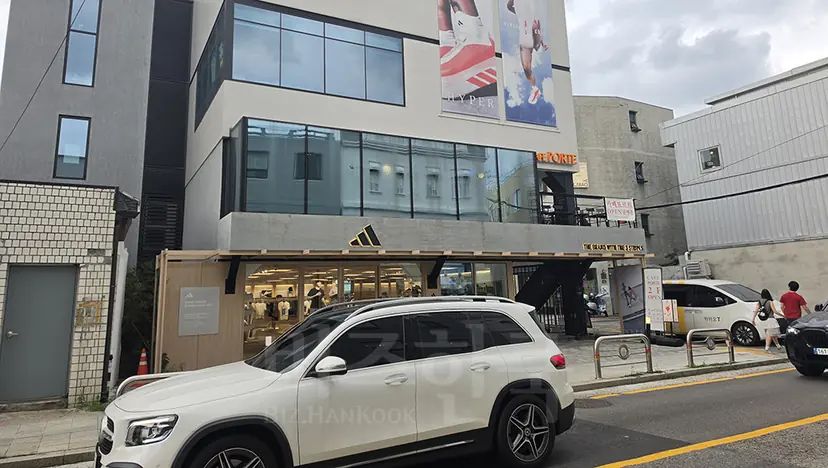
Recently, real estate investment firms from Gangnam have been leading building and commercial property transactions in Seochon. Local real estate agencies stated that most buildings in Seochon are being sold through Gangnam-based brokerages, and that they rarely handle such deals themselves.
Mr. A, who has been running a real estate office for six years, said, "Recently, many brokerage firms from Gangnam have entered the area, securing listings by offering high prices to building owners." According to Mr. A, they even approach owners who have not expressed an intention to sell, contacting them by phone or mail to persuade them to put their buildings on the market with promises of achieving a certain sale price.
Mr. B, a landlord in his 30s who runs a guesthouse in Seochon, confirmed that he has frequently been contacted by people wanting to buy his building. Landlord C, who has run a restaurant for over 10 years, received similar offers. "Most of them are investment-specialized real estate firms from Gangnam," C said. "They call and send mail constantly, claiming they can sell my property at a high price."
As a result, some properties are being sold at prices higher than the existing market rate. According to local agents, a Seochon building that traded at around 60 million won per 3.3㎡ (a pyeong) one or two years ago is now selling for over 100 million won. In April, a building that had housed a restaurant for over 50 years was sold for approximately 150 million won per 3.3㎡.
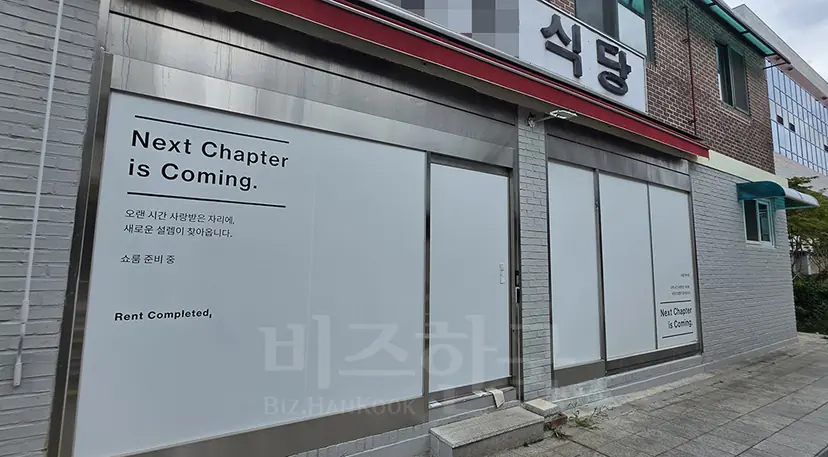
These inflated transaction prices set a new benchmark. As high-priced sales continue, the price expectations of neighboring landlords also rise. The surge in building values eventually leads to pressure to increase rents, which drives away existing merchants. In fact, a cafe in Seochon that had been operating for 14 years relocated this March due to a rent hike.
The fact that new buyers often demand the eviction of existing tenants (where the tenant clears the space to hand it over to the landlord) during building transactions is another factor forcing merchants out. A representative from a Gangnam-based investment brokerage said, "If a buyer intends to use the building themselves or has renovation plans, they often demand the premises be cleared and vacant before the final payment," adding, "If the profit yield is low, they might even demand that high-paying brands be brought in as tenants."
In Seochon, where many merchants have been operating in the same spot for a long time, these demands for eviction are leading to the departure of long-term tenants. Under the current Commercial Building Lease Protection Act, tenants can request a contract renewal for up to 10 years including the initial lease period. While they are not automatically required to leave after 10 years, the lease renewal right guaranteed by law expires. Consequently, some tenants are forced to leave once this period ends.
Mr. D, a tenant in his 60s who has run a restaurant in Seochon since 2016, was recently notified by his landlord that the building had been sold and he needed to close his shop. Now in his 10th year of business, Mr. D lamented, "I wanted to keep the business going for another two years or so, but it's unfortunate that I can't." Another nearby restaurant owner said, "We are seeing long-time business owners leaving after 10 years without even receiving a premium (key money). We are in our 8th year, and we are worried whether we should give up our shop before the 10-year mark."
Shin Bo-yeon, a professor of Real Estate AI at Sejong University, noted that the changes in the Seochon commercial district trigger both revitalization and price hikes simultaneously. "While it can be seen as positive in terms of commercial revitalization, if outside brokerage firms approach it purely from an investment perspective, we may see phenomena where prices spike even further," Professor Shin said. "The key is whether it can grow while maintaining the 'Seochon-ness,' such as its alleys and Korean atmosphere."