

[BizHanKook] The pinnacle of technology, a paradigm shift in the economy, and the reconfiguration of the spaces where we live. We introduce three new books that start from different fields but converge on a single question: “A sustainable future for humanity and society.” We have compiled reviews of these three books, each offering a different perspective on tomorrow—from the semiconductor, the core technology sustaining today's civilization, to a reflection on the myth of infinite growth and a blueprint for the future city.
The DNA of Human Records Embedded in Silicon: ‘Big History of Semiconductors’
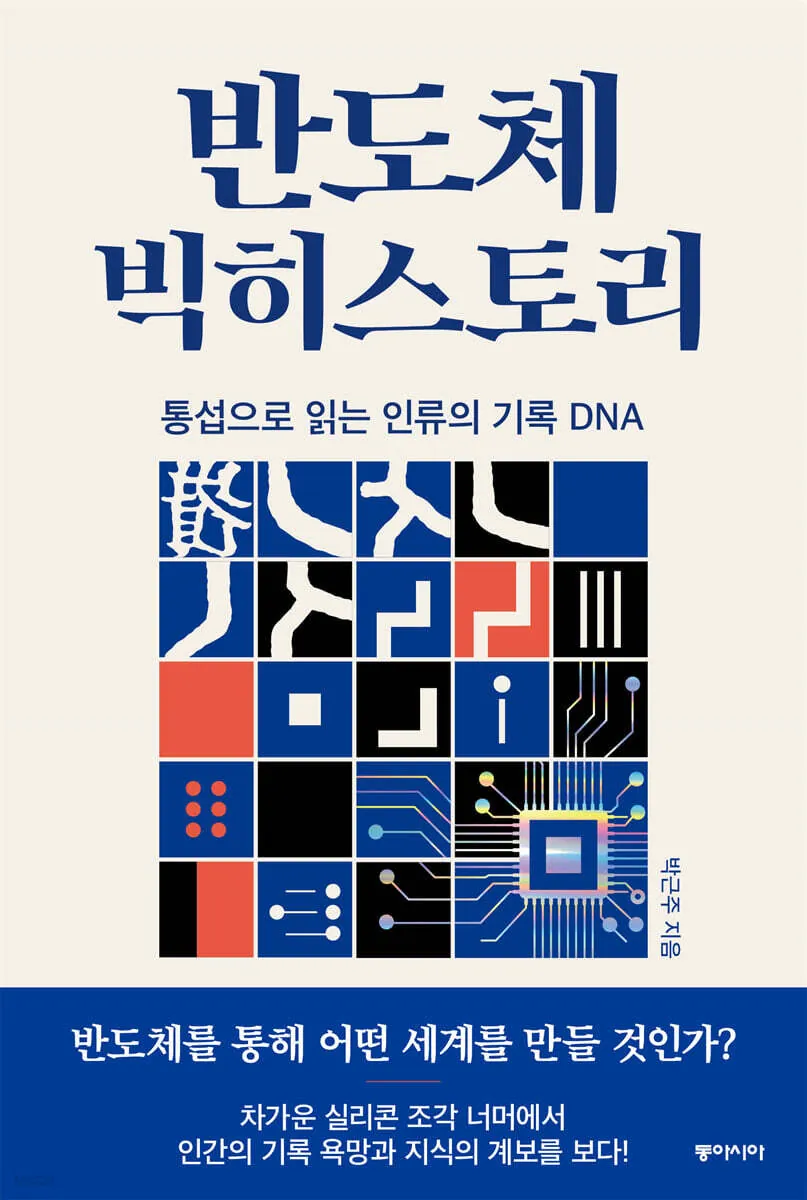
Today, semiconductors are both strategic assets that determine a nation’s fate and the front lines of economic warfare. However, ‘Big History of Semiconductors’ moves beyond the narrow view of seeing semiconductors merely as products of advanced engineering or tools of industrial competition, placing them instead within the vast flow of civilizational history where humanity has recorded and accumulated knowledge.
The author defines semiconductors with the unique keyword: ‘the DNA of human records.’ He discovers semiconductors at the end of the evolutionary genealogy of human recording media, which progressed from cave paintings and clay tablets to paper, movable type, and finally, digital bits. With a multidisciplinary perspective that encompasses everything from the principles of physics and engineering to history and philosophy, the author three-dimensionally explains how silicon in sand expanded human thought and became the nervous system of modern civilization.
The greatest merit of this book is that it transforms semiconductor technology, which can feel rigid and difficult, into an engaging story that anyone can read by combining it with a humanities-based narrative. It serves as an excellent guide not only for readers who want to understand the backdrop of the technological hegemony competition but also for those who wish to explore the interaction between science and human civilization from a macroscopic perspective.
Beyond Growth Toward Coexistence: ‘The End of the Growth Myth’

For the past several decades, the absolute value that dominated our society was undeniably ‘growth.’ The rise in Gross Domestic Product (GDP) and external expansion were considered a guarantee of happiness and development. However, facing the massive counterattacks of the climate crisis, extreme polarization, and social isolation, the existing growth formula is nearing its expiration date. ‘The End of the Growth Myth’ throws a weighty topic onto the table at this very juncture.
The author, who has long been active in the fields of social value, sustainable management, and social economy while contemplating alternative social systems, sharply uncovers the illusions of the ‘growth myth’ that blindly trusts in infinite growth. By diagnosing how developmentalism, which pushed forward while ignoring the finiteness of resources and the limits of the ecosystem, has eroded the foundations of the community, he argues that we must now turn the society's compass toward ‘coexistence and solidarity’ rather than speed and quantitative expansion.
This book is significant in that it does not stop at mere criticism of the current system but explores concrete conditions and pathways for transition toward a sustainable society. The author suggests that we restore the values of care, ecology, and social trust that were hidden in the shadow of growth, and proposes that our society, traversing an era of crisis, engage in serious reflection on what kind of consensus and solidarity it needs to build.
What Are the Conditions for a Sustainable City?: ‘The Future of Cities’
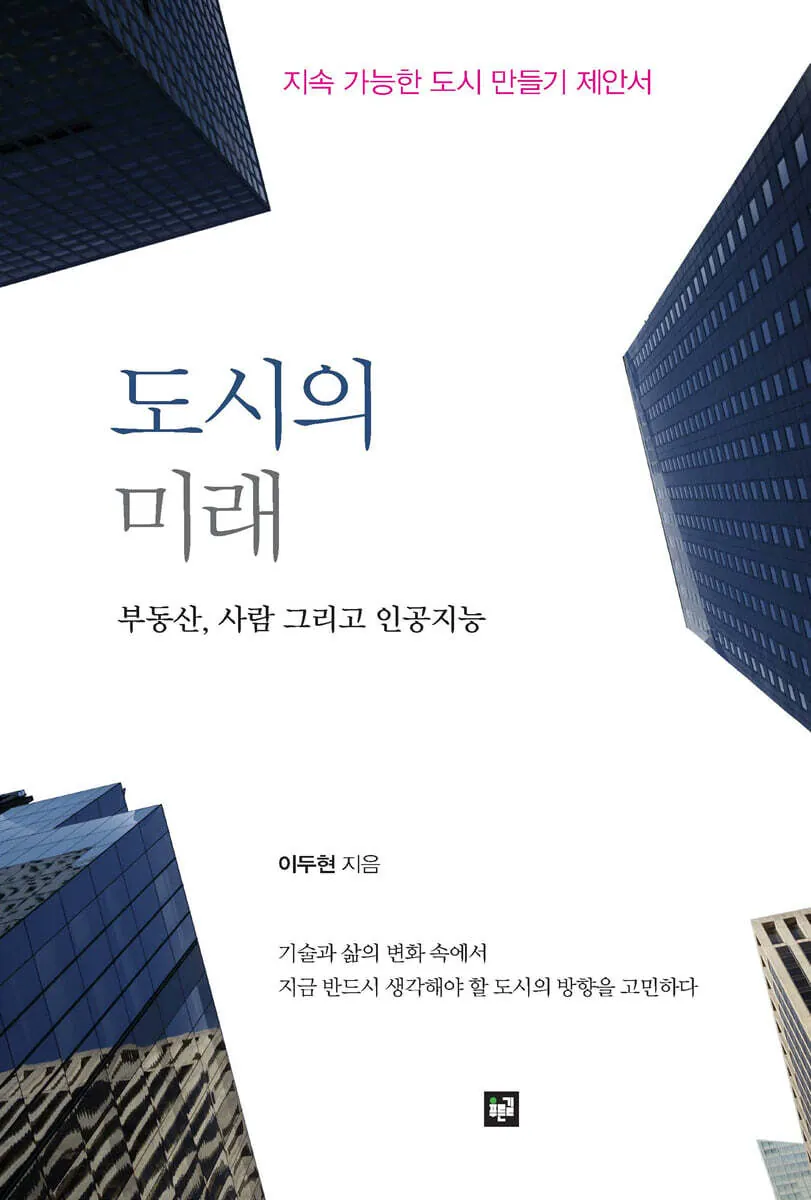
Today, with more than half of the world's population living in cities, the future of the city is directly linked to the future of humanity. However, the modern city is a space of crisis that simultaneously harbors the contradictions of environmental pollution, housing instability, local extinction, and the collapse of communities, while being a space of convenience and opportunity. ‘The Future of Cities’ points out the limitations left behind by city planning centered on function and efficiency and proposes a new model for a city where people and nature exist in harmony.
The author, who has consistently researched and practiced the transformation of urban spaces and sustainable development, challenges existing urban policies that are dominated by massive capital and large-scale development. He identifies eco-friendly infrastructure that responds to climate change, inclusive housing environments that embrace all generations and classes, and the restoration of alleys and public spaces where citizens' daily lives and relationships breathe, as the essential conditions for a sustainable city.
As indicated by the word "proposal" in the subtitle, instead of listing abstract future discourses, this book presents practical directions for urban innovation that we need to contemplate and implement immediately. By reminding us that a city is not a completed building but an organism constantly shaped by the lives of the people who inhabit it, it aims to provide inspiration to both citizens who dream of a better place to live and policymakers alike.