

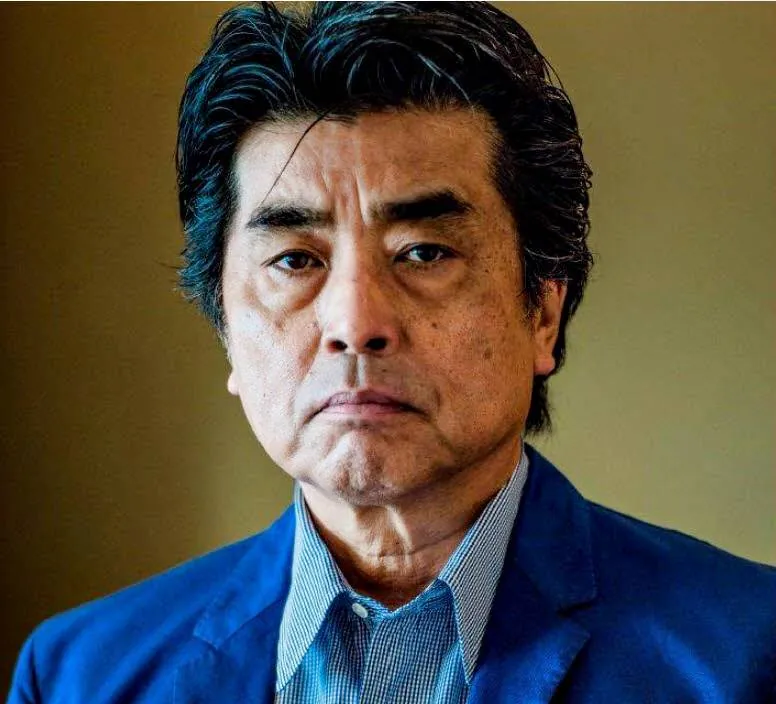
[비즈한국] Ryu Murakami, a novelist who left an indelible mark on modern Japanese literature, passed away on the 17th at the age of 74. The Ryu Murakami Office and Japanese publisher Gentosha announced the news of his passing via X on the afternoon of the 23rd. A private funeral was held with his family. Readers and the cultural community in both Korea and Japan are expressing deep condolences over the loss of the author who sent shockwaves through the Japanese literary scene the moment he emerged in the 1970s.
Ryu Murakami was dubbed one of the “Two Murakamis” (Double Murakamis) alongside Haruki Murakami, who was active in the same era, leading the golden age of Japanese popular literature. While Haruki expressed feelings of loss in a lyrical and sophisticated manner, Ryu depicted the raw, naked face of society in a violent and unconventional way.
Literary world shaken by debut work ‘Almost Transparent Blue’
Ryu was born in 1952 in Sasebo, Nagasaki Prefecture, Japan, to parents who were teachers. During his youth, he became immersed in hippie culture, and as a high school student, he participated in student activism, leading to his suspension after occupying the school roof. This spirit of resistance became the core nourishment that permeated his early literature.
In 1976, while attending Musashino Art University, Ryu published the novel ‘Almost Transparent Blue,’ causing a sensation in the literary world. With this debut, which used a sensory style to depict young people submerged in a decadent lifestyle of drugs, sex, and aimlessness near a U.S. military base, he simultaneously won Japan’s most prestigious Akutagawa Prize and the Gunzo New Writers Award. With this novel, which broke the solemnity of established literature, Ryu instantly became an icon of the era, receiving extreme praise as a writer who "delivered a virtual death sentence to modern Japanese literature."
Looking into the underside of modern society
In his 1980 novel ‘Coin Locker Babies,’ Ryu depicted the desperate survival of children abandoned in coin lockers within a distorted society, using a fast-paced writing style to address the issues of child neglect and alienation in modern society head-on.
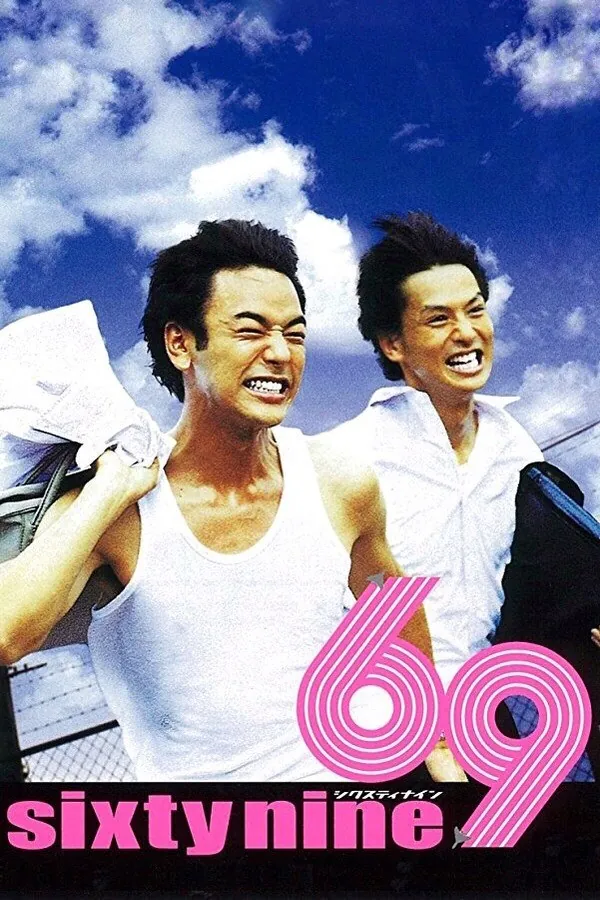
His 1987 work ‘69’ is an autobiographical piece capturing the author's high school days. Stepping away from his previous heavy and decadent style, he depicted the cheerful and energetic resistance of youth, earning him great love from the public.
Additionally, ‘ Fascism of Love and Fantasy’ (1987) was evaluated as a masterpiece that sharply predicted the collapse of the bubble economy, the end of the Cold War, and the harms of neoliberalism, and it also greatly influenced director Hideaki Anno of the animation ‘Neon Genesis Evangelion.’ He won the Yomiuri Prize for Literature for ‘In the Miso Soup’ (1997), which tells the story of an American serial killer and a Japanese guide.
His 2003 career guidebook, ‘13-sai no Hello Work’ (13-Year-Old’s Hello Work), became a social phenomenon, selling millions of copies by offering alternative paths to youth facing mass unemployment and endless competition.
Ryu was also active as a film director. He adapted several of his own novels into films, including ‘Almost Transparent Blue,’ ‘Raffles Hotel,’ ‘Kyoko,’ and ‘Tokyo Decadence (Topaz).’
Greatly loved by domestic readers
Ryu Murakami’s novels became bestsellers in Korea in the 1990s, coinciding with the opening of the market to Japanese popular culture. In particular, ‘69’ and ‘Almost Transparent Blue’ sold hundreds of thousands of copies, becoming must-read books for the younger generation. Although they caused controversy due to their depictions of drugs, prostitution, and extreme violence, they provided a fresh shock to readers and young writers who felt stifled by the Korean literary scene. His work influenced the formation of urban sensibility and unconventional writing styles in contemporary Korean novels after the 1990s.
His 2005 work ‘Leaving the Peninsula,’ which depicts a story where North Korean special forces occupy a Japanese island, sparked controversy regarding far-right sentiments.
Starting in 2006, he served as the host of the TV economic program ‘Cambria Kyuden’ for 20 years, meeting with corporate executives and exploring how social systems function. He remained active, publishing the novel ‘YouTuber,’ which reflects his own life story, in 2023 at the age of 70.