

[비즈한국] With estimates suggesting that Samsung Electronics overtook China’s Roborock in monthly sales volume within the domestic robot vacuum market this past June, signs of a shift in a market landscape that has persisted for over a decade are emerging. However, it is premature to conclude that the tide has turned, given that these results were bolstered by the effects of various promotional campaigns. Nevertheless, it is noteworthy that there is a glimpse of a potential comeback by domestic companies in a market they once pioneered before losing their dominance to Chinese rivals.
From technology leaks to Roborock’s dominance...
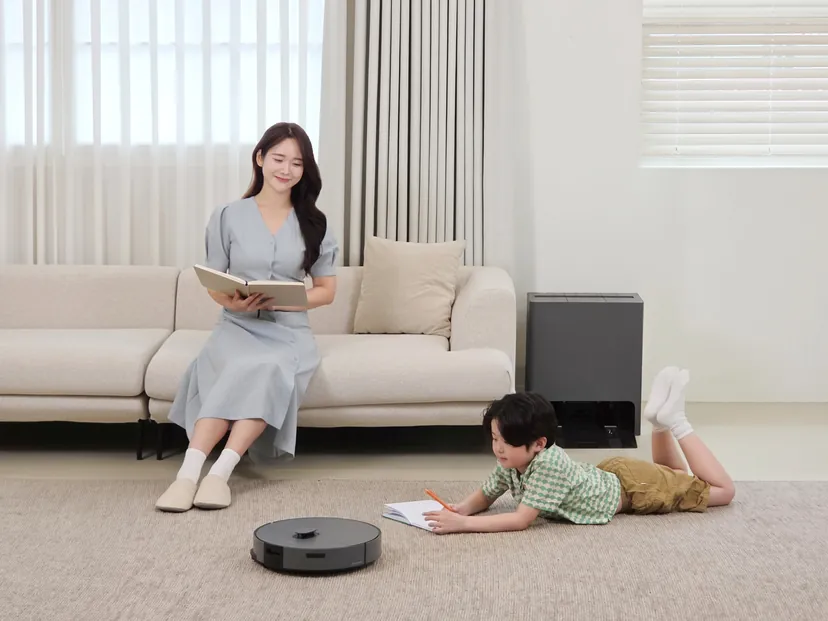
According to industry sources, Samsung Electronics’ ‘Bespoke AI Steam’ series saw a significant surge in sales in June, reaching approximately 50,000 units and capturing the top spot in domestic sales. The ‘National Gratitude Festival,’ a social contribution event held that same month, played a major role. Analysts believe that a promotion offering a 20% refund on purchase amounts in Onnuri gift certificates stimulated consumer demand. It is reported that among major home appliances, the growth in robot vacuum sales has been particularly notable.
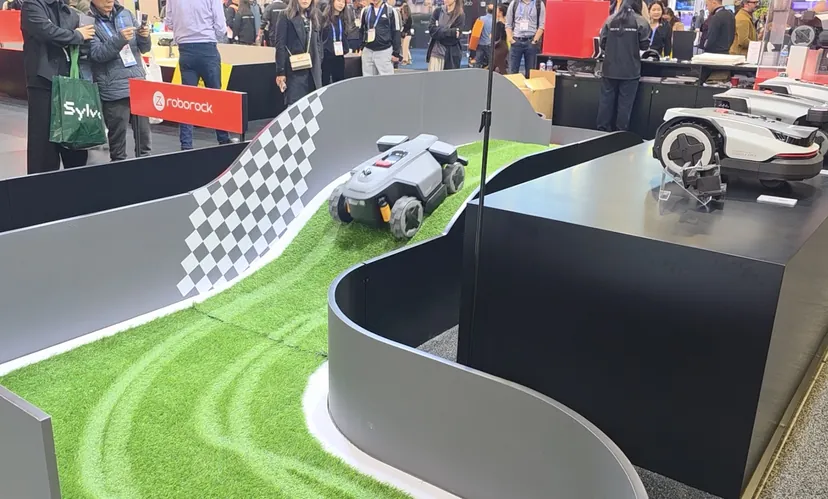
Previously, Samsung Electronics had been steadily increasing sales after introducing the ‘Bespoke AI Steam,’ which features enhanced AI capabilities, back in March. The fact that monthly sales exceeded 20,000 units for the first time in May, marking an approximately 60% increase compared to the same period last year, is considered the foundation for this recent sales success. However, the domestic robot vacuum market remains largely a playground for Chinese companies, with Roborock holding more than half of the market share. Globally, the top five manufacturers by household robot vacuum shipment volume last year were all Chinese companies: Roborock, Ecovacs, Dreame, Xiaomi, and Narwal.
The current market landscape would have been hard to predict just over a decade ago. Domestic companies entered the robot vacuum market earlier than their Chinese counterparts. LG Electronics began researching related technologies in 1988 and launched ‘Roboking,’ the first robot vacuum from a domestic company, in 2003; Samsung Electronics also entered the market in 2006. In 2013, LG Electronics dominated the market with a domestic share of approximately 68%.
In contrast, the Chinese robot vacuum market was just beginning to grow at that time. Ecovacs, considered a pioneer of the Chinese domestic market, launched its ‘Deebot’ robot vacuum in 2009. The first robot vacuum that Roborock introduced in cooperation with Xiaomi only appeared in 2016.
In the process of the technological gap between Korea and China narrowing rapidly, the technology leak incident that occurred in 2013 is still cited as a representative case of industrial espionage. At the time, Midea, one of the major Chinese home appliance manufacturers that produced products via original equipment manufacturing (OEM) due to a lack of its own robot vacuum technology, approached key researchers developing LG Electronics’ robot vacuums. It was revealed that they stole core technical data, handed it over through a broker, and moved to the research and development organization of the Chinese company.
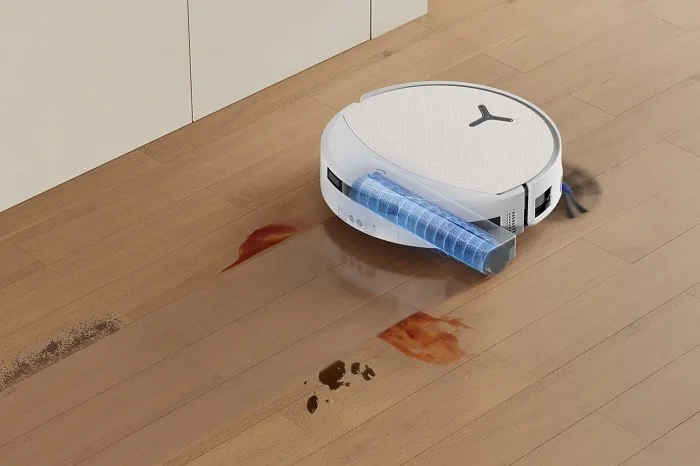
The key researchers involved had the authority to access, handle, and store major technical data at the time. Industry analysts suggested that this leak allowed Chinese companies to shorten their gap with Korea by about 6 to 7 years. The damage was estimated at between 700 billion and 1 trillion won. However, it is difficult to conclude that a single technology leak directly led to the market dominance of Chinese companies today. Some in the industry argue that “the market dominance of Chinese companies stemmed from the timing of the release of wet-and-dry all-in-one products.” Nevertheless, around the time of this incident, Chinese companies rapidly boosted their technical prowess and leveraged their massive domestic market to strengthen product competitiveness, thereby expanding their leadership in the global market.
Rather than penetrating the market with low-priced products, Chinese firms targeted domestic consumers with premium products that combined AI with convenience features like automatic washing and drying. After entering the Korean market in earnest in the early 2020s, Roborock quickly grew its influence and has maintained the lead in the domestic market since 2022. Ecovacs, which had previously sold products through a domestic distributor, also began direct efforts in 2022 by establishing a Korean branch.
Beyond market share battles, competition for mass adoption... Samsung and LG strike back with security and service
As the competition for market share intensifies, the nature of the market itself is changing. Analysts suggest that as the demand base for robot vacuums broadens, the intensified offensive by domestic conglomerates is actually lowering the barrier for consumer purchases and expanding the overall market foundation.
In a market that has entered a phase of mass adoption, Samsung Electronics and LG Electronics are positioning performance and security as their competitive edges. In the past, suction power and mop performance were the core of the competition, but as robot vacuums equipped with cameras and various sensors have evolved into "mobile cameras" that film every corner of the house, security has emerged as a new point of differentiation.
Following the launch of the ‘Bespoke AI Steam Ultra’ and ‘Bespoke AI Steam Plus’ in March, Samsung Electronics expanded its lineup to include standard models in June. The latest products apply the company’s ‘Knox’ security solution, featuring ‘Knox Vault,’ which stores sensitive information like encryption keys in a separate hardware security chip, and ‘Knox Matrix,’ which checks the security status between connected devices. End-to-end encryption (E2EE) has also been applied to the captured footage.
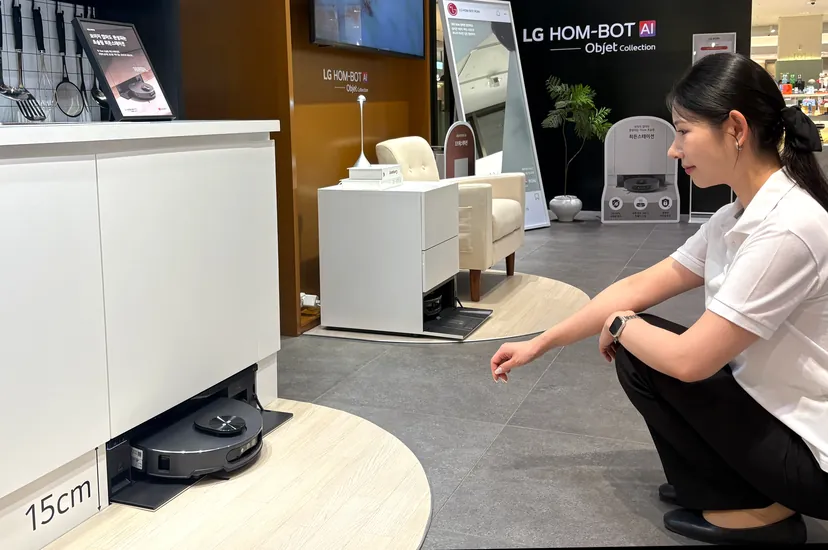
LG Electronics also launched its new ‘HomeBot Roni’ last month to target the premium market. It applied its proprietary security solution, ‘LG Shield,’ and also features a device that physically blocks camera exposure by closing the entrance when the robot returns to its docking station after cleaning. An LG Electronics official stated, “We have extended the security capabilities applied to existing home appliances to our robot vacuums to ensure that personal information, such as photos and videos, is not leaked externally,” adding, “Hygiene features are also a differentiator; the steam function used for washing mops and cleaning heavily soiled floors is a factor well-suited to the domestic residential environment, which has a high proportion of wooden flooring.”
Follow-up companies like Dreame, Xiaomi, and Narwal are also strengthening strategies tailored to the Korean market. They are expanding service centers and on-site repair systems, increasing offline touchpoints, and responding to consumer concerns about personal information and security. Dreame has relocated its data servers to Korea, and Xiaomi, which launched new ‘Robot Vacuum 6’ and ‘6 MAX’ products last month, explained that for its products, “AI recognition, video management, and real-time image viewing functions are disabled by default and must be activated directly in the app.” Roborock operates a separate ‘Security Assurance Center.’
According to market research firm GfK, the domestic robot vacuum market is expected to exceed 1 trillion won this year, up from approximately 430 billion won in 2023. This means the market itself has more than doubled in three years. An industry insider noted, “The customer base for robot vacuums has been broadening rapidly,” adding, “In the process of the market itself growing, the product and service competitiveness of domestic companies will be re-evaluated.”