

[비즈한국] Concerns are growing that the shortage of medical staff in pediatric hospitals could go beyond affecting routine pediatric care, potentially impacting the early detection of rare diseases and the referral process to tertiary hospitals. Despite rising labor costs for specialists and nurses, securing staff remains difficult, and there is an insufficient influx of young specialists. The medical community points out that if local pediatric medical institutions weaken, it could create a gap in the healthcare delivery system responsible for detecting rare diseases early and connecting patients to specialized treatment.
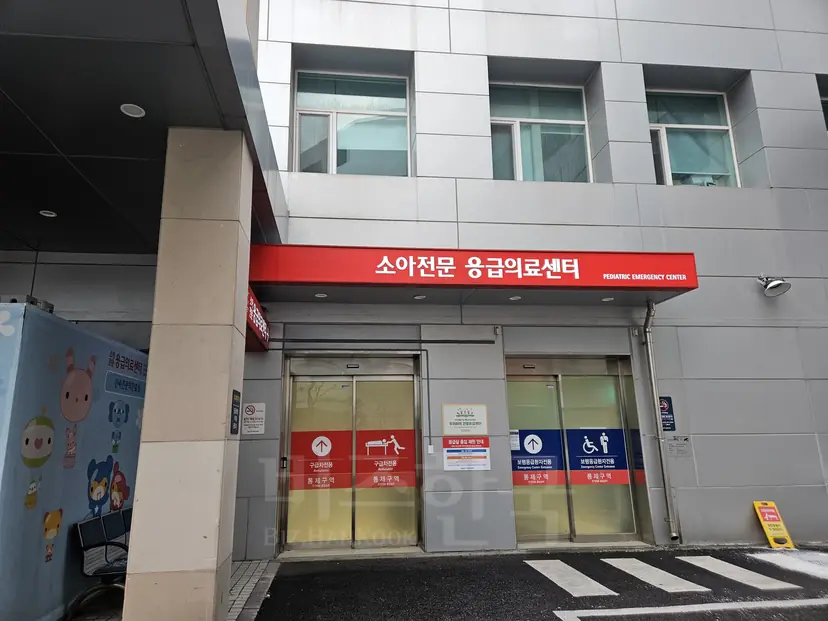
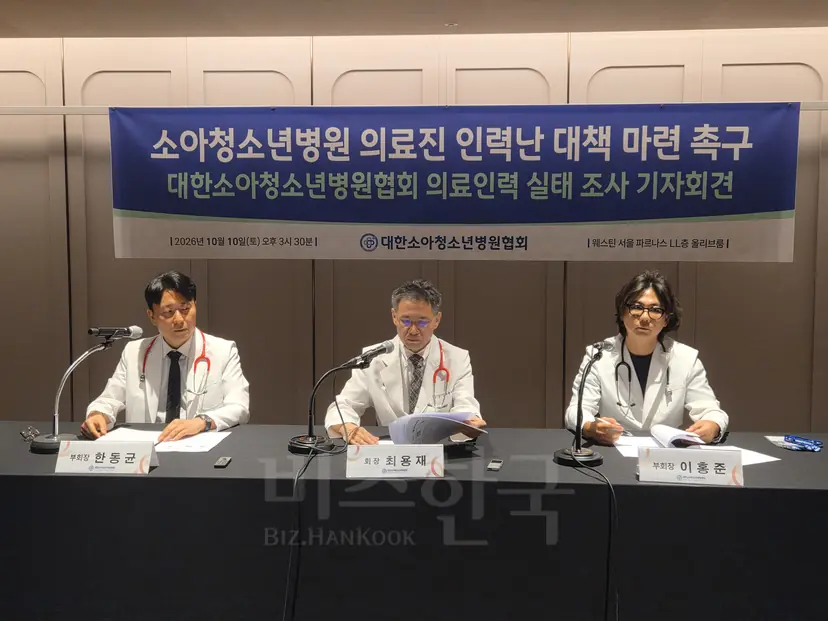
According to a survey on the state of medical personnel released by the Korean Pediatric Hospital Association at a press conference held at the Westin Josun Seoul in Samseong-dong, Seoul, on the 10th, 53 out of 71 member hospitals nationwide (74.6%) reported a shortage of specialists. Some 62 hospitals (87.3%) stated that recruiting nurses is difficult. It was found that 43 hospitals (60.6%) have already adjusted their care scale over the past three years, such as reducing nighttime/holiday treatment or downsizing inpatient beds due to a lack of specialists.
More than half of local pediatric hospitals have reduced treatment over the past 3 years
The confirmation and specialized treatment of rare pediatric diseases are mainly conducted at tertiary general hospitals. However, patients do not typically seek out rare disease-specialized institutions from the start. The process of discovering abnormal symptoms at local pediatric medical institutions, undergoing necessary tests, and then referring them to higher-level hospitals is critical.
Han Dong-gyun, Vice President of the Korean Pediatric Hospital Association (Director of Gwangju Mirae Children's Hospital), met with reporters after the press conference to emphasize the role of local pediatric medical institutions.
Vice President Han explained, "Final treatment for rare pediatric diseases is handled by rare disease centers at tertiary university hospitals, but primary and secondary pediatric hospitals must first diagnose and screen for abnormalities in children to connect them to tertiary hospitals."
He further pointed out, "If primary and secondary pediatricians disappear, initial diagnosis and screening become impossible. The government is currently providing 'targeted support' only to large tertiary hospitals, which is like trying to extinguish a fire at the end while letting the foundation crumble."
The argument is that apart from policies supporting institutions specializing in severe and rare diseases, it is also important to maintain the treatment capacity of local pediatric medical institutions.
Concerns were also raised regarding the shrinking treatment capacity of local pediatric hospitals. Among the surveyed hospitals, 33.8% had already reduced or suspended nighttime care, 28.2% had reduced holiday care, and 23.9% had reduced the number of inpatient beds.
These changes could reduce medical accessibility for pediatric patients who require continuous observation and care, including those with rare diseases. In particular, a reduction in local medical institutions responsible for initial care could potentially lead to disruptions in the process of connecting patients to higher-level hospitals.
Labor costs up 30%, but hiring crisis persists
The staffing crisis in local pediatric medical institutions cannot be explained by low wages alone.
In this survey, 57.7% of hospitals reported that specialist salaries had risen by more than 30% over the past five years. Nevertheless, 86.8% of the 53 hospitals that reported a shortage of specialists responded that there were no applicants. Reasons cited included avoidance of nighttime, holiday, and inpatient work (71.7%) and the inability to afford the demanded salaries (58.5%).
The situation is similar for nurses. Out of 57 hospitals that responded to the question regarding nurse staffing, 71.9% stated that they had fewer working staff than necessary. While 38.0% of all responding hospitals were paying higher wages than neighboring hospitals in other specialties, the recruiting crisis continued.
Vice President Han explained that the specialty of pediatric nursing and the burden of dealing with guardians are contributing factors.
He said, "For pediatric patients, it takes at least three nurses to even administer a single injection because children have small veins, cry and fuss uncontrollably, move around, and cannot explain where they hurt."
He also pointed to complaints from guardians and emotional labor as burdens. Vice President Han explained that verbal abuse and inappropriate demands from some guardians are leading to the departure of nurses.
Lee Hong-jun, Vice President of the Korean Pediatric Hospital Association (Director of Gimpo Jeil Eye Hospital), also pointed to the tendency of young nurses to avoid working in pediatric hospitals. He said, "The reality is that if they are going to receive the same pay, they prefer to go to long-term care hospitals rather than pediatric hospitals, which involve extreme emotional and physical labor."
Rising labor costs are also a burden on hospital management. Vice President Han stated that management burdens are increasing due to the combined impact of rising prices and employee labor costs, and he announced plans to conduct a follow-up survey on the status of cost increases among member hospitals.
There are more specialists in their 60s than in their 30s… Investigations into medical accidents also a burden
The long-term outlook for labor supply is not bright. Among the 313 full-time pediatric specialists at the surveyed hospitals, only 50 (16.0%) were in their 30s, which is fewer than the 56 (17.9%) in their 60s or older.
By region, in the Yeongnam region, there were only 4 specialists in their 30s, compared to 17 aged 60 or older. The Honam region also showed a large gap, with 2 and 15, respectively. This is why securing new personnel to prepare for the retirement of existing medical staff is emerging as a critical task.
Vice President Han Dong-gyun expressed concern, saying, "Because young blood is not being transfused, it will become impossible to maintain treatment once older doctors retire in 3 to 4 years." Choi Yong-jae, President of the Korean Pediatric Hospital Association (Director of Uijeongbu Tuntun Children's Hospital), also warned, "The doctors who remain are only maintaining the system by pushing their bodies to the limit. If society doesn't respond, the next generation will live in a world without pediatricians."
The association also sees the legal burden resulting from medical accidents as a factor that deepens the aversion of young doctors toward pediatrics.
Vice President Han mentioned the 2017 neonatal death incident at Ewha Womans University Medical Center and the recent search and seizure at the pediatric emergency center of Ajou University Hospital, arguing, "The primary reason residents are avoiding the specialty is undoubtedly judicial risk." He added, "The application rate will become even more dismal following the Ajou University Hospital search and seizure."
If the staffing shortage becomes prolonged, it is expected to be difficult to maintain the current medical system. About 52.1% of the surveyed hospitals responded that it would be difficult to maintain the existing level of care within four years if the current staffing and hiring conditions continue.
The association is demanding expanded compensation for nighttime, holiday, and inpatient care, legal safeguards against medical accidents, and an improvement in staffing standards that reflect the nursing needs of pediatric wards.
However, whether increased government financial support will actually lead to securing medical personnel is a separate issue. Unless there are improvements in working conditions that can increase the influx of new specialists and nurses and prevent the departure of existing medical staff, the staffing crisis in local pediatric medicine is likely to persist.