

[비즈한국] Seoul Mayor Oh Se-hoon has proposed the area around the Tancheon Water Reclamation Center as an alternative to building housing on Yongsan Park, leading to mixed expectations and concerns among local residents. While some voice support for the necessity of housing and the site's suitability, many others worry about the relocation of the water facility, traffic burdens, and disruptions to park accessibility. Experts note that while the site has competitive potential, significant time and cost would be required before actual housing supply is possible.
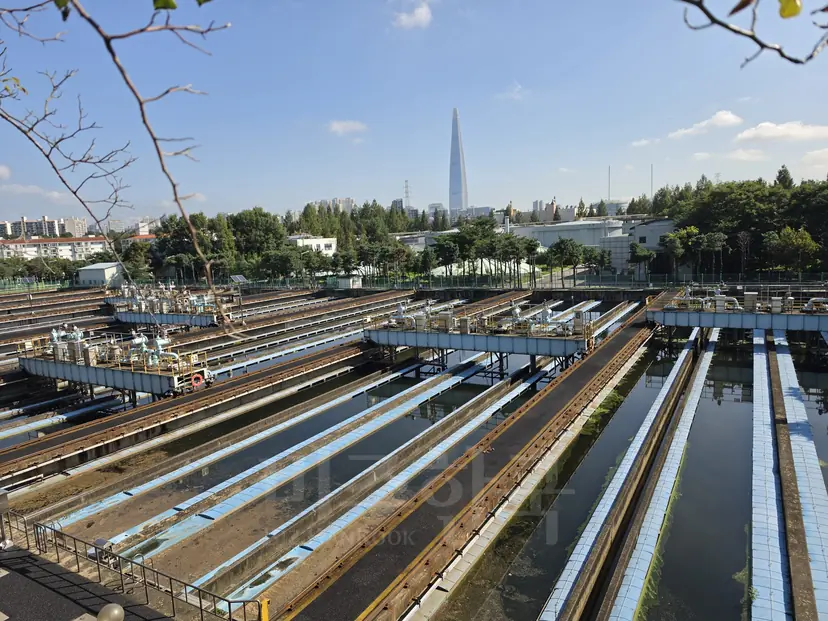
The Tancheon Water Reclamation Center is a sewage treatment facility spanning approximately 393,000 square meters in Irwon-dong, Gangnam-gu, Seoul. With a maximum daily capacity of about 900,000 cubic meters, it processes sewage generated from all of Gangdong-gu and Songpa-gu, parts of Gangnam-gu and Seocho-gu, and select areas of Hanam and Gwacheon in Gyeonggi-do. Portions of the facility are covered, with recreational spaces for residents—such as Maru Park and Irwon Eco Park—established on top.
The Tancheon Water Reclamation Center emerged as a housing alternative due to disagreements between the central government and the Seoul Metropolitan Government over how to utilize Yongsan Park. When the government reviewed a plan to use part of Yongsan Park for housing, Mayor Oh opposed it and proposed the Tancheon site as an alternative. The Ministry of Land, Infrastructure and Transport is currently reviewing the supply scale and the feasibility of rapid housing construction based on data provided by the Seoul city government. However, the ministry maintains that it will continue to review plans for utilizing Yongsan Park independently of the Tancheon site.
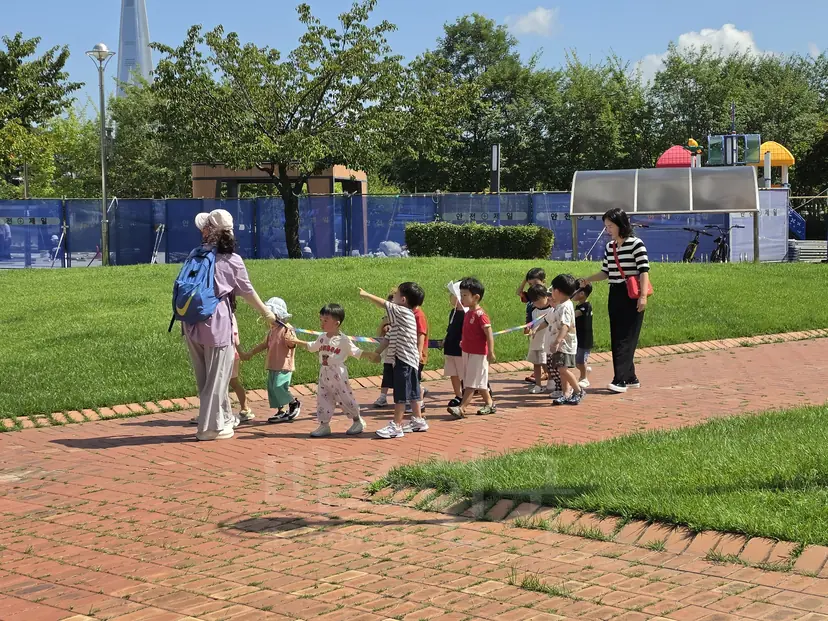
A visit to the Tancheon Water Reclamation Center on the 3rd showed that the area felt more like a park than a sewage treatment plant. Even at an early hour, citizens were seen walking around and using athletic facilities. Near the Maru Park playground, kindergarteners were out on a field trip. Beyond the fences installed inside the park, water treatment equipment was visible.
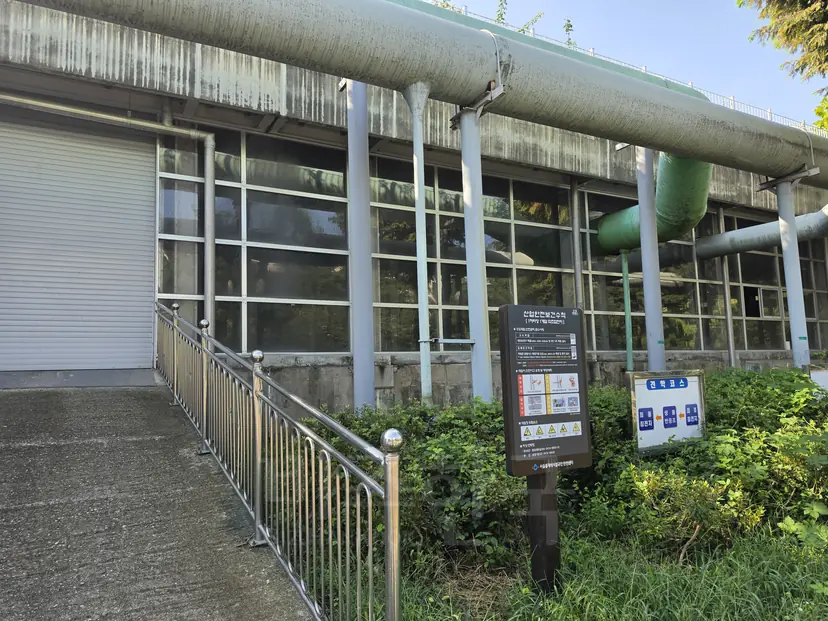
The atmosphere was different where the water treatment facilities were located beneath the park. Operating equipment and various warning signs reminded visitors that this was originally a sewage treatment site. As one approached the equipment, the smell of sewage became more pungent. Once back up in the park above, the odor was barely noticeable.
Citizens met in the vicinity of the Tancheon Water Reclamation Center that day expressed conflicting reactions regarding the housing proposal. Resident A, who has lived nearby for nearly 40 years, said, "The park above the water center is a space frequently used by residents. If construction starts, we won't be able to use the park as we do now, so I don't know if it's necessary to build a housing complex here." B, who was repairing a bicycle at the park, also said, "Relocating existing facilities would cost a lot of money; I think moving a perfectly functional facility is a waste of the budget."
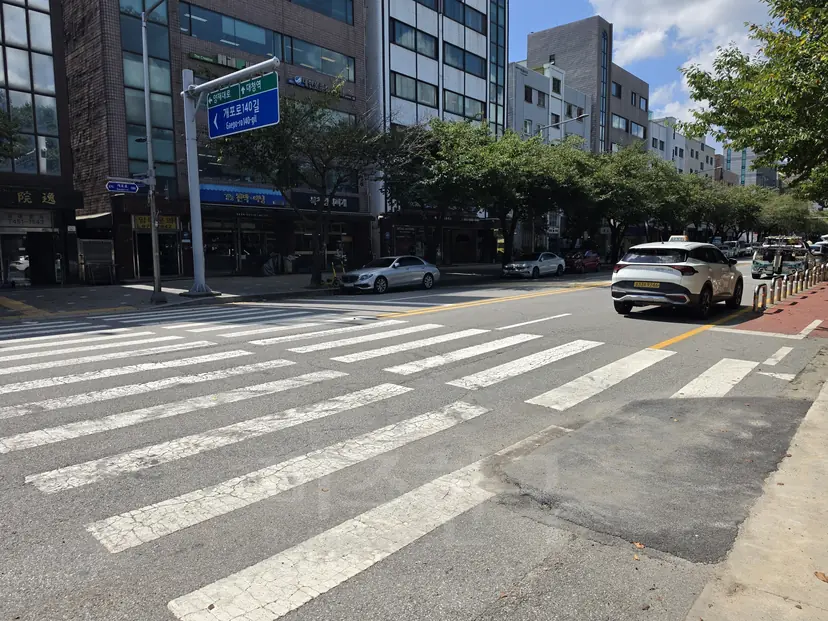
On the other hand, C, whom we met near Irwon Eco Park, said, "The Tancheon Water Reclamation Center site is close to the station and has hospitals nearby, making it a good location for housing. It is positive that housing could be built on such a good site." Real estate agent D from the neighborhood also reacted positively to the idea of using the site for housing, but expressed concerns about subsequent traffic congestion. "The roads are already narrow and often congested; if housing is built here, it seems it will get even worse," said D.
While residents held different views, they all expressed skepticism about the feasibility of relocating the water center. C said, "If we are going to build housing, it would be better to move the center, but I don't know if there is any region that would accept it." A also noted, "Who would accept the water reclamation center?" suggesting that securing a relocation site would not be easy.
Although resident reactions to the housing proposal were mixed, they generally agreed that there are significant challenges to be addressed in the actual project process, such as the relocation of the facility and traffic burdens.
Experts evaluated the residential site potential of the Tancheon Water Reclamation Center area positively, but pointed out that there are considerable practical hurdles before actual housing can be supplied. Kim Hak-ryeol, head of the Smart Tube Real Estate Research Institute, said, "The Tancheon center site is in a great location for youth housing, rental housing, or general housing. Its competitiveness as a residential area is sufficient." However, he added, "To relocate the water reclamation center, an alternative site must be secured, which requires substantial time and money. Even if the facility is buried underground, project costs and duration could increase, making it difficult to view this as a rapid supply alternative."