

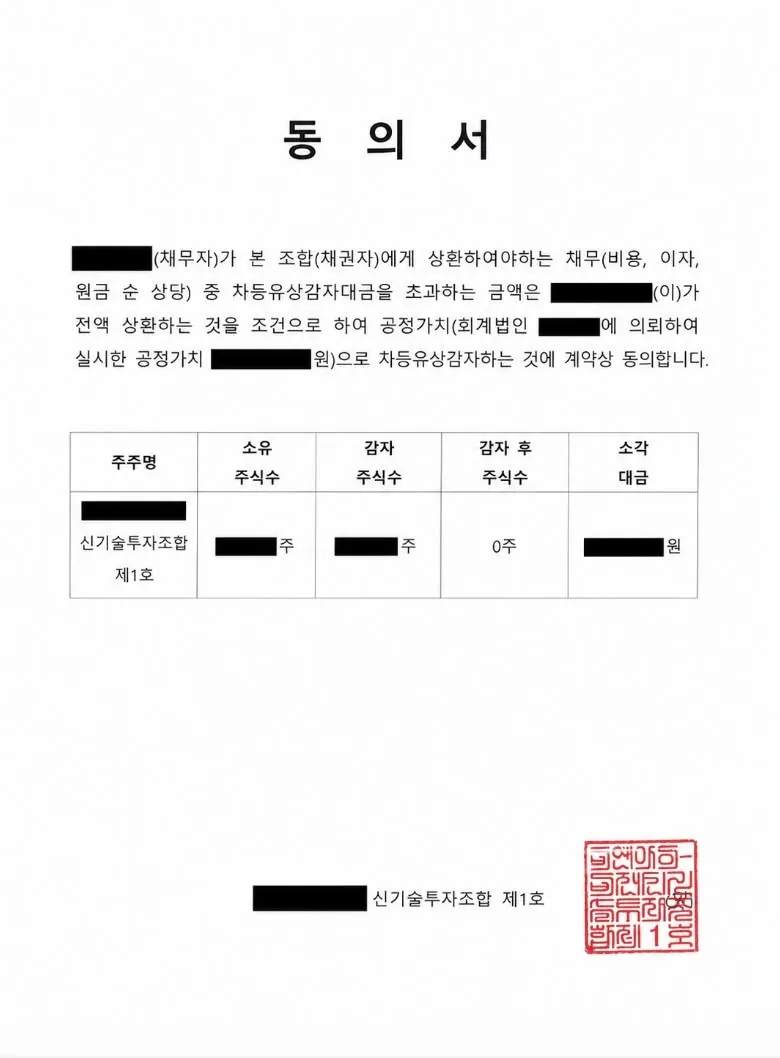
[비즈한국] A glimmer of hope for a resolution has finally emerged in the 12 billion won dispute between OGQ CEO Shin Chul-ho and investors, which has dragged on for over eight months. This follows the delivery of a capital reduction consent form to OGQ by the investment group, in which KB Securities and Hana Securities participate as LPs (Limited Partners). It is a notable development as it marks the first time that substantive procedures have moved forward in a situation where a repayment method existed but was blocked by a lack of necessary consent.
CEO Shin stated on social media on the 28th, “After eight months, the investment firm, which includes KB Securities and Hana Securities as LPs, has sent a capital reduction consent form. We can finally solve this problem.” However, it is reported that the forced execution on CEO Shin’s management shares, real estate, salary, and severance pay has not yet been halted.
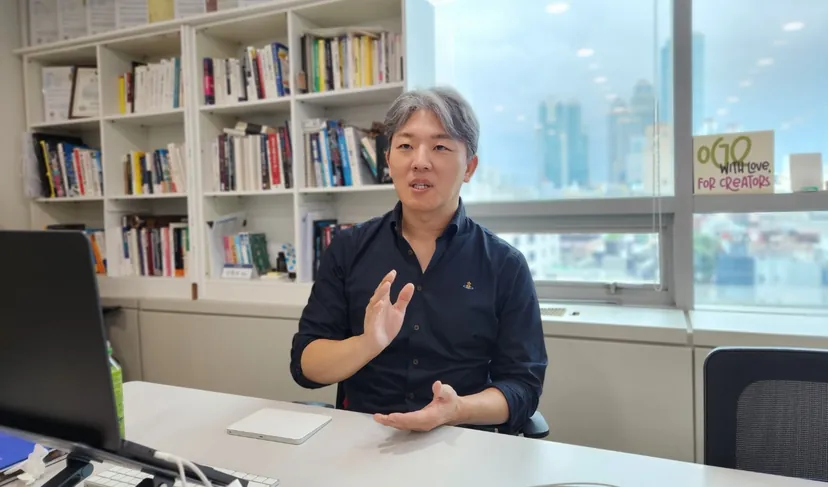
The incident began in 2021 when OGQ attracted 9 billion won from an investment firm for the acquisition of Getty Images Korea. After the acquisition fell through, the investors demanded the return of the investment not from the company, but from CEO Shin personally, as an "interested party" under the investment contract.
Following a Supreme Court ruling in favor of the investors last April, CEO Shin became liable for approximately 12 billion won, including the principal and 12% annual interest. The court ruled that this was not a traditional joint guarantee, but a separate payment obligation assumed by CEO Shin under the investment contract.
However, according to CEO Shin, the original investment of 9 billion won remains in OGQ. To resolve this, Shin proposed a plan where the company would acquire and retire the investors' redeemable shares at a fair market value of approximately 9.425 billion won, based on an external appraisal, while he would take personal responsibility for the remaining difference of approximately 2.37 billion won by collateralizing his own shares.
The problem was that neither the capital reduction nor the disposal of shares could be decided by CEO Shin alone. While the investment contract required consent procedures and corporate decision-making, the investors could initiate forced execution through the courts without separate shareholder consent. In essence, while it was difficult for him to dispose of assets on his own to pay back the debt, the creditors were in a position to force a sale.
With the actual delivery of the capital reduction consent form, one of the most critical hurdles that had blocked the resolution process for eight months has now been cleared.
‘Indirect Joint Guarantee’ Controversy Reaches President and National Assembly
The OGQ incident has evolved beyond a single company's investment dispute into a broader issue regarding the personal liabilities imposed on founders in venture investment contracts. Critics point out that even though the government has abolished joint guarantees, mainly in policy finance, company risks can effectively be transferred to founders through clauses regarding interested parties, stock purchase options, or separate payment obligations.
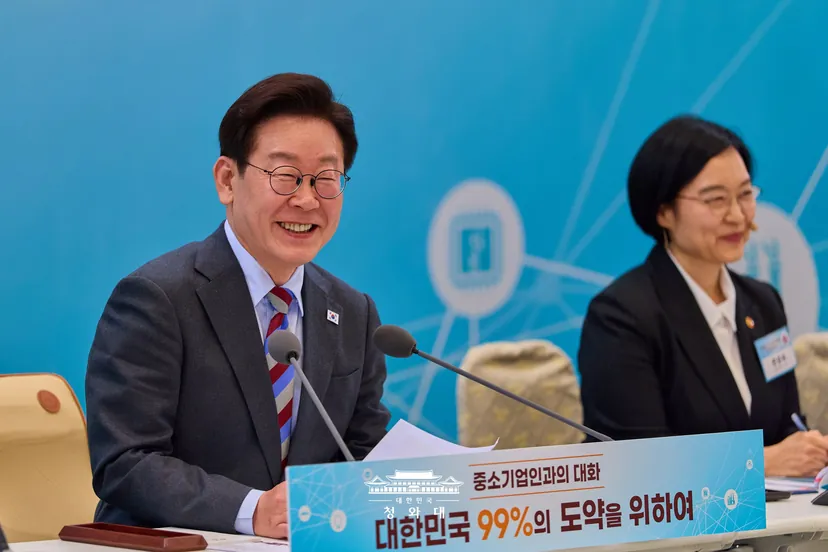
President Lee Jae-myung also emphasized the need for institutional reform at the ‘Dialogue with SMEs’ held at the Blue House Yeongbingwan on March 20 of this year, mentioning the unreasonable burdens placed on small and startup businesses. He specifically highlighted the need to examine whether structures that shift responsibilities to individuals under different guises still exist, given that policies have already been directed toward abolishing practices like joint guarantees that block a founder's comeback.
The OGQ incident was also directly addressed in the National Assembly this year. On July 29, at the National Assembly's National Policy Committee, Rep. Min Byung-duk of the Democratic Party of Korea cited the OGQ case to question the role of financial firms like KB Securities and Hana Securities. In response, Financial Services Commission Chairman Lee Bok-hyun stated that a ban on imposing joint liability on interested parties has been in effect since March of this year and that he would look into the matter.
Rep. Kim Han-kyu of the Democratic Party of Korea also mentioned the OGQ incident on the 12th, stating, "We will improve the system so that founders do not unfairly shoulder debt." Rep. Kim's office is pushing for legal revisions to restrict not only explicit joint guarantees but also "indirect joint guarantees," where company risks are shifted to founders through other contract forms such as separate payment obligations or stock purchase options.
Amidst this growing attention from financial authorities and the National Assembly, the capital reduction process, which had been deadlocked for a long time, has finally progressed to the actual delivery of a consent form. While it cannot be concluded that the attention of relevant authorities directly influenced this decision, it is noteworthy that negotiations materialized after the OGQ issue escalated into an institutional controversy.
Capital Reduction Path Opened, but Forced Sale Continues
The arrival of the capital reduction consent form does not mean the dispute is over. Additional procedures, such as internal corporate decision-making and the consent of other shareholders, are still required for the actual capital reduction to take place.
The biggest variable remains the forced execution. According to CEO Shin, while the investors sent the capital reduction consent form, they are continuing the forced sale and collection procedures against his management shares, house, salary, and severance pay.
CEO Shin requested, "The investment money remains in the company, and a path for recovery via fair-value capital reduction has been opened," adding, "Please stop the forced sale now." He continued, "I hope that through a resolution of the shareholders' meeting, we can amicably wrap up this long ordeal without further exhaustion."
The OGQ dispute has now shifted from a question of whether there is a way to recover the investment, to a question of whether the opened recovery path can actually be implemented. The principal remains in the company, the investment group has sent the consent form, and a plan for CEO Shin to take personal responsibility for the shortfall has been proposed.
What remains is the corporate and shareholder decision-making for the capital reduction, and the cessation of forced execution by the investors. Attention is now focused on whether the OGQ saga, which escalated into a 12 billion won personal debt crisis and a threat to management rights, will be resolved through investment repayment and settlement rather than forced liquidation.