

[비즈한국] In 2001, an author of educational comics signed a contract with a publisher. Three years later, the author discovered that they had only been paid one-third of their royalties. This was because they had learned through media reports that their books had sold more than 10 million copies. Despite making a fortune thanks to the author, the publisher had not properly distributed the profits. The author filed a lawsuit against the publisher.
The publisher argued that it was not fraud since they had paid royalties. They claimed there was no intent to defraud, as they planned to pay the remaining balance after the contract ended, and that there was no deception because the contract stated that only one-third of the royalties would be paid upfront. They further argued that they had not caused any financial loss to the victim. In particular, they claimed it was not fraud because they hadn't paid the royalties simply because the author didn't know they were owed more and therefore hadn't demanded them.
However, the court rejected the publisher's arguments, finding that they had intentionally deceived the author regarding sales figures. The Supreme Court determined that while 10 million copies of the book had been sold by January 2004, the publisher had created shipment status sheets indicating only 3.6 million copies had been sold, and as a result, the author did not even know they had a claim to the remaining royalties. This was the consistent judgment of the courts, from the first trial all the way to the Supreme Court. Ultimately, the publisher was given a suspended sentence for fraud. The only reason the sentence was suspended was that the author did not wish for the publisher to be severely punished.

Subsequently, the 19th volume of the series that fans had been waiting for was released in 2005. However, the art style of the comic was completely different from before. The author had been changed. The 19th volume, which the original author had already drawn, was never published. The author refused to publish it because the publisher did not guarantee the copyright.
Instead of apologizing or negotiating with the author, the publisher immediately replaced them. They hastily signed a contract with another artist and published a substandard work. The publisher rationalized this by claiming that the high sales were not due to the author, but rather the publisher's planning ability. This educational comic was produced as an animation, and the publisher even sued the original author, claiming they had interfered with the production of the theatrical version. However, the publisher lost this lawsuit as well. They were ordered to pay 200 million won in damages to the author and were barred from publishing the original 18 volumes the author had drawn. The publisher eventually released a version redrawn by the new artist and spent more money on aggressive marketing. However, sales remained sluggish. The original author moved to a different publisher and released books again.
The copyright conflict surrounding the ‘Greek and Roman Mythology through Comics’ series was brought back to public attention due to the success of the film ‘Odyssey.’ It became known that the young generation crowding theaters to watch ‘Odyssey’ did so precisely because of this educational comic. Young audiences visiting the theaters had learned about the Trojan War and Odysseus thanks to this series. However, since the author was changed for the 19th volume, which covered the events after Odysseus’s return, many had not read it properly and wanted to see how that part concluded in the movie. In a way, the educational comic even influenced the film's success.
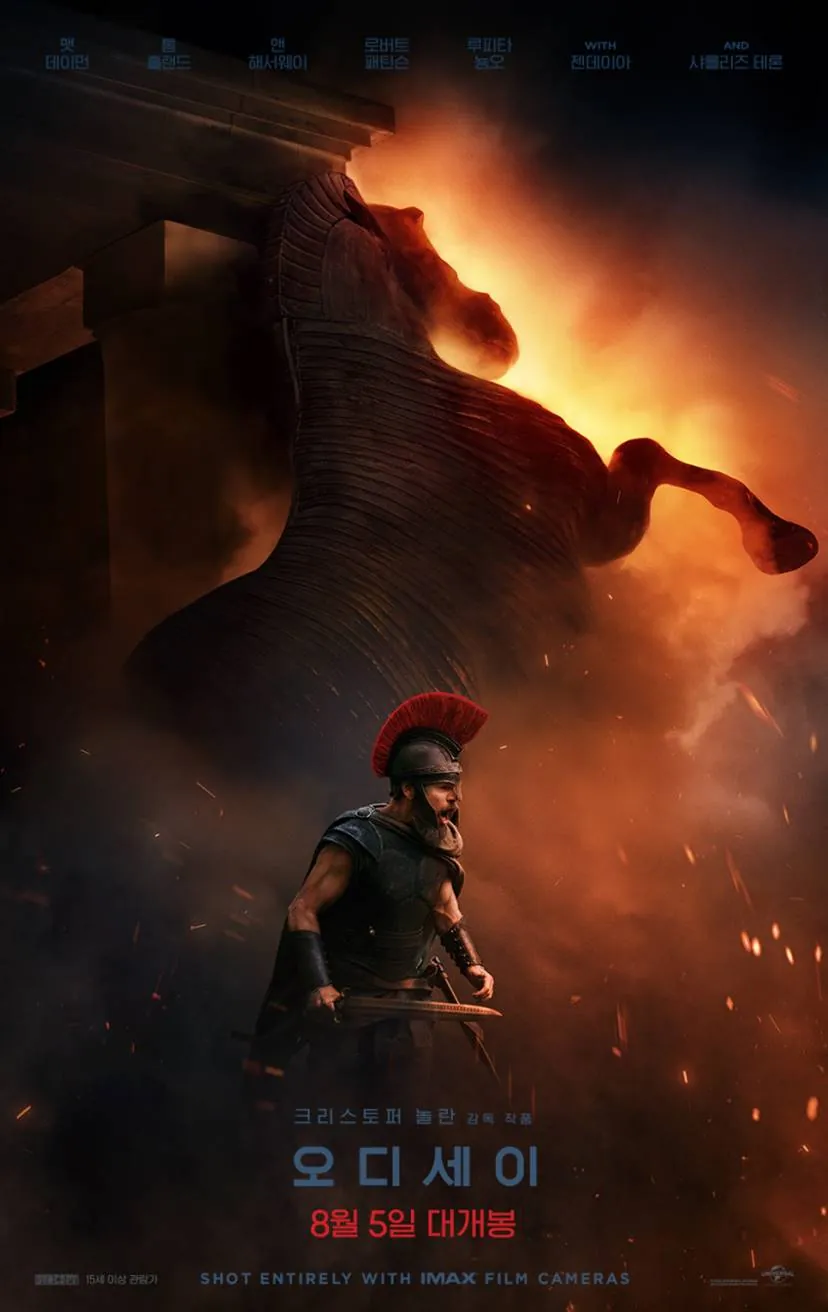
If the series had been completed as a full, unbroken set, it would have reached even more readers. The conflict and failure stemmed from the publisher's greed. They failed to pay royalties properly and deceived the author. Their excessive greed resulted in a win for no one. It was like killing the goose that laid the golden eggs. This case gives us room to think about how the content ecosystem can thrive through mutual growth.
Copyright should fully belong to the creator. The copyright dispute over ‘Greek and Roman Mythology through Comics’ began with the copyright transfer agreement signed in December 2001. This contract contained provisions that transferred all rights, including rights to derivative works and merchandising, to the publisher's representative for 10 years, excluding only the basic publishing rights. We have seen such unfair contracts in the case of the comic ‘Gomusin’ as well. The author suffers, and the readers' rights are infringed. The publisher's image is also tarnished. In the end, it causes harm to everyone.
One should not take content sought after by children lightly. Future leaders encounter this content, which can create not just cultural, but economic, industrial, and even political power. How would I feel if I found out later that the comic I enjoyed as a child was the result of stolen rights? For content to survive for a long time, the production process must be fair.
The author, Kim Heon-sik, has walked through and navigated the forest of popular culture phenomena since his 20s, driven by the expectation that there is a way to make the world a better place through culture. He continues on the same path in the 21st century, an era of AI and quantum computers, with the same conviction.