

[비즈한국] The mRNA (messenger ribonucleic acid) platform, which gained attention as a next-generation modality following the COVID-19 pandemic, has proven its potential beyond infectious disease vaccines and into the field of cancer treatment.
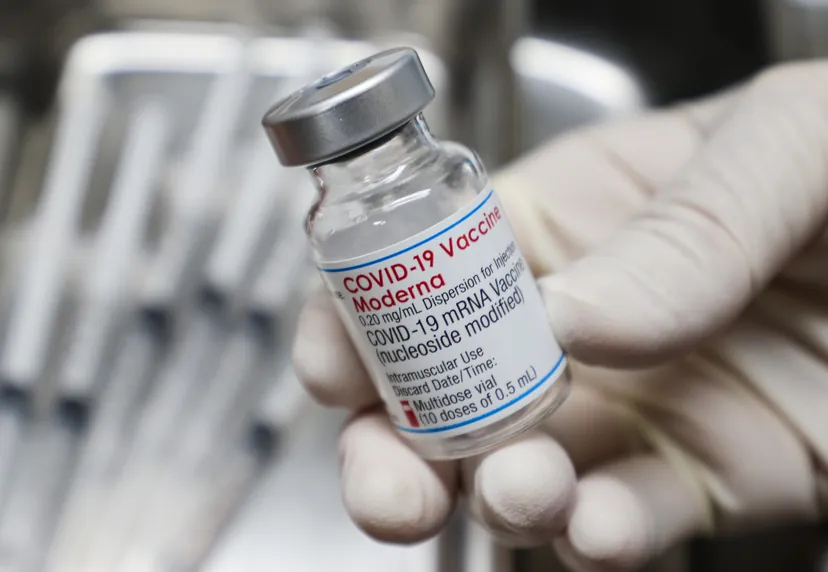
Global pharmaceutical companies Moderna and MSD (Merck) announced on the 19th (local time) the topline results of the global Phase 3 clinical trial for "Intismeran," a personalized mRNA cancer vaccine they are co-developing.
According to the two companies, the patient group treated with a combination of Intismeran and Merck’s immune checkpoint inhibitor "Keytruda" showed statistically significant and clinically meaningful improvements in recurrence-free survival (RFS) and distant metastasis-free survival (DMFS) compared to the group treated with Keytruda monotherapy. The Phase 3 trial was conducted on 1,137 patients with stage 2B to 4 melanoma who had undergone complete surgical resection of tumors but remained at high risk of recurrence.
These results mark the first instance in which a personalized neoantigen therapy—an mRNA-based anticancer treatment—has demonstrated positive outcomes in a Phase 3 clinical trial when combined with an immune checkpoint inhibitor. Moderna and MSD stated that no new safety concerns were identified in the combination therapy.
However, as the announced findings are based on Phase 3 topline results, specific effect sizes and detailed safety data have not yet been disclosed. Follow-up observations regarding other endpoints, such as overall survival (OS), are currently ongoing.
With these trial results, the possibility that mRNA technology will expand its scope from infectious disease prevention to a personalized immuno-oncology platform that suppresses cancer recurrence—roughly six years after its commercialization via COVID-19 vaccines—has increased significantly.
Moderna and MSD are planning to expand development to other solid tumors, such as non-small cell lung cancer, bladder cancer, and kidney cancer, beyond melanoma. As they are currently in discussions with regulatory authorities, the possibility of a launch as early as next year has been raised.
Precision Targeting of Unique Mutations through Personalized Patient Design
Intismeran is a personalized neoantigen therapeutic vaccine designed by analyzing mutations found in each patient's individual tumor.
The difference lies in the fact that while conventional infectious disease vaccines use a method of teaching the body specific antigens from external pathogens in advance, personalized cancer vaccines identify unique mutations present only in the patient's cancer cells and train the immune system to attack them.
By analyzing the tumor and normal tissue of high-risk melanoma patients who have had their tumors surgically removed, researchers identify cancer-specific mutations and select neoantigens with a high likelihood of triggering an immune response. Subsequently, mRNA designed to express these neoantigens is manufactured for each patient and administered.
By combining this with Merck’s immune checkpoint inhibitor "Keytruda" (generic name: pembrolizumab) to prevent the cancer cells from evading the immune system, the dual-axis immune response is simultaneously strengthened.
Will This Serve as a Catalyst for an mRNA Market Rebound?
This success in the Phase 3 trial is evaluated not only as demonstrating the potential of mRNA cancer vaccines but also as elevating the possibility of commercializing personalized cancer treatments to the next level. The growth trajectory of the mRNA platform is expected to shift from a focus on COVID-19 vaccines toward cancer and rare diseases.
In particular, the oncology sector is garnering attention as a new pillar of growth for the mRNA platform. The success of the Moderna/MSD Phase 3 trial is expected to calm concerns that the growth momentum of mRNA technology has weakened since the COVID-19 pandemic, and serve as an opportunity for mRNA to be re-evaluated as a versatile platform applicable to a wide variety of diseases.
Market research firm Mordor Intelligence predicts that the global mRNA vaccine and therapeutics market will grow from $5.17 billion (7.2 trillion KRW) this year to $11.88 billion (16.5 trillion KRW) by 2031, at an average annual growth rate of 18.1%.
Domestic Bio Ecosystems such as Samsung Biologics, ST Pharm, Hanmi, and GC Biopharma Also Taking Note
The domestic pharmaceutical and bio industry in South Korea is also actively securing development and manufacturing capabilities for vaccines and therapeutics utilizing the mRNA platform.
Samsung Biologics views mRNA as one of the next-generation modalities and has established a one-stop CDMO (Contract Development and Manufacturing Organization) service. It supports the entire process from mRNA synthesis to purification, LNP formation and purification, aseptic filling, labeling, and packaging, providing production services for mRNA, saRNA, and circRNA.
Notably, Samsung Biologics has prior experience in domestic fill-and-finish contract manufacturing of Moderna's COVID-19 mRNA vaccine, "Spikevax," for both domestic supply and international export. It is considered competitive as a manufacturing partner for global pharmaceutical companies should the commercialization of mRNA-based therapeutics expand in the future.
ST Pharm has independently secured core mRNA manufacturing technologies and an LNP (Lipid Nanoparticle) platform. It is pursuing an mRNA CDMO business based on its proprietary capping technology, "SMARTCAP," and its LNP platform, having established GMP production facilities at its Banwol plant. It is attracting attention for its potential to benefit from the future expansion of the mRNA-based anticancer market, given that it has secured a manufacturing platform applicable not only to mRNA vaccines but also to therapeutics.
There are also domestic companies developing personalized cancer vaccines themselves.
Although still in the early stages of research compared to Moderna and Merck, CG Invites is developing a personalized mRNA cancer vaccine based on digital genome analysis technology. It has developed the "imNEO" algorithm, which uses AI and machine learning to predict neoantigens with high potential to trigger immune responses after sequencing a patient's tumor and normal tissue. Through this, the company aims to select patient-specific neoantigens and link them to mRNA vaccines.
Hanmi Pharmaceutical is also researching novel mRNA-based anticancer drugs. The company presented its research achievements in next-generation modalities, including mRNA, TPD (Targeted Protein Degradation), ADC (Antibody-Drug Conjugate), and bispecific antibodies, at the American Association for Cancer Research (AACR) this year, highlighting mRNA anticancer vaccines targeting KRAS mutations and p53 mRNA anticancer drugs.
GC Biopharma is expanding its application in the fields of vaccines and therapeutics by building an mRNA-LNP platform and production infrastructure. It has been researching the mRNA-LNP platform since 2019 and is developing an mRNA vaccine using its proprietary platform. Recently, it also established a quality analysis platform to evaluate the physical/chemical properties and stability of mRNA-LNPs.