

[Bizhankook] The minimum housing standards, which define the minimum area for homes in South Korea, have remained stagnant for 15 years since 2011. In the meantime, domestic housing supply and demand, as well as the structure of the population and households, have changed significantly. Japan has expanded its minimum living area in consideration of social changes such as resolving housing shortages, the increase in middle-aged and elderly single-person households, and the rise in long-term residency. On the other hand, while the Korean government has pushed for improvements since 2018, it has yet to lead to an actual revision.
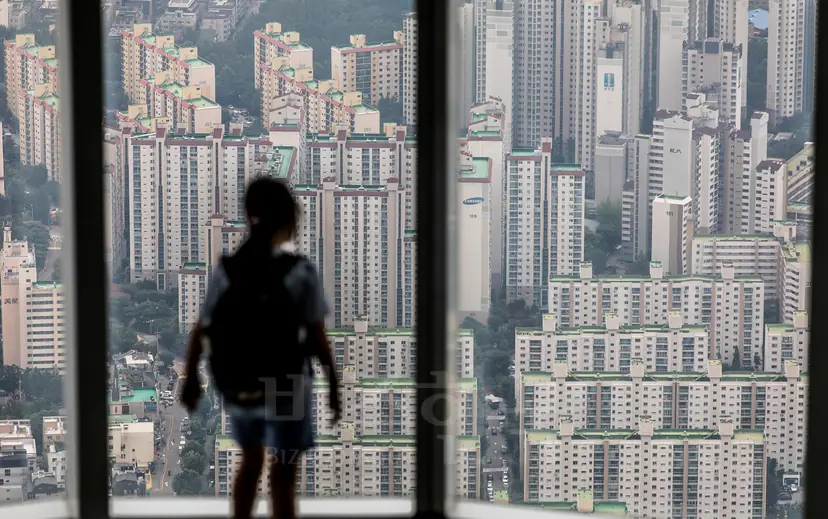
Housing Supply Ratio Exceeds 100% and Single-Person Households Have Doubled… Living Environments Have Changed Rapidly Over 15 Years
South Korea's housing supply ratio has increased compared to 10 years ago. According to the Ministry of Land, Infrastructure and Transport, the ratio of the number of houses to the number of general households nationwide rose 1.0 percentage point from 101.9% in 2014 to 102.9% in 2024. During this period, the ratio in non-metropolitan areas rose from 105.8% to 108.4%, while it fell from 97.7% to 97.3% in the metropolitan area and from 96.0% to 93.9% in Seoul. The national housing supply ratio first exceeded 100% in 2008, reaching 100.7% based on the new housing supply ratio criteria.
Japan cited the resolution of housing shortages as the main background for expanding the minimum living area. In a written response previously sent to Bizhankook, the Japanese Ministry of Land, Infrastructure, Transport and Tourism explained that as the number of houses in all prefectures nationwide exceeded the number of households in 1973, the focus of housing policy shifted from quantitative supply to qualitative improvement. The need for qualitative improvement of housing in an aging society, along with the increase in middle-aged and elderly single-person households and long-term residency, was also presented as background for the expansion of the criteria.
The structure of South Korea's population and households has also changed significantly. According to the National Data Agency, the number of single-person households has nearly doubled from about 4.14 million in 2010 to 8.24 million in 2025, accounting for 36.6% of all general households. In particular, the number of single-person households aged 60 and older has more than doubled from about 1.32 million in 2010 to about 3.01 million in 2024. As the population rapidly ages, the estimated population aged 60 and over reached about 14.67 million in 2025, accounting for 28% of the total.
The public's living standards have also improved overall. According to the Ministry of Land, Infrastructure and Transport's Housing Survey, the average residential area per person nationwide increased from 33.5㎡ in 2014 to 36.0㎡ in 2024. During the same period, the area increased from 31.3㎡ to 33.0㎡ in the metropolitan area, from 34.5㎡ to 36.7㎡ in metropolitan cities, and from 36.2㎡ to 40.2㎡ in provincial areas. The proportion of households falling below the minimum housing standards also dropped from 5.4% to 3.8%.
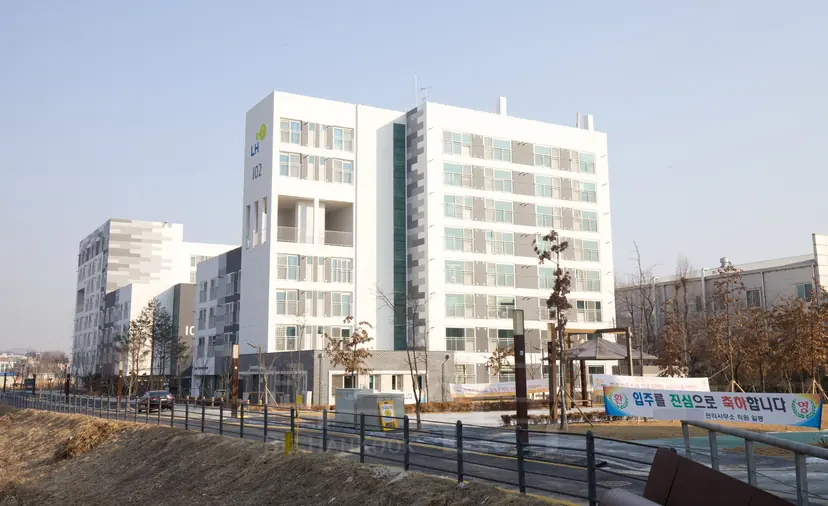
Research on Realistic Minimum Standards Remains Undisclosed… Ministry of Land, Infrastructure and Transport Says "It Could Influence Policy"
However, the revision of the minimum housing standards has been at a standstill for years. In October 2018, during the Moon Jae-in administration, the Ministry of Land, Infrastructure and Transport announced a plan to revise the standards, with the main focus on expanding the minimum residential area and improving environmental standards. Although they planned to prepare new criteria based on the results of research projects the following year, this did not lead to an actual revision. The final report for the "Research on Realizing Minimum Housing Standards," which was commissioned at that time, was scheduled to be released in June 2022 but remains undisclosed.
Meanwhile, legal obligations for institutional reform have been strengthened. The Framework Act on Residence, revised in December 2024, mandates a review of the validity of minimum housing standards every five years and makes it mandatory to establish and announce "guided housing standards," which were previously discretionary. Guided housing standards are policy indicators intended to induce improvements in the quality of living for the public and are distinct from minimum housing standards, which set the minimum level of living. Accordingly, the Ministry of Land, Infrastructure and Transport must establish guided housing standards by June 4, 2027.
The revision of the minimum housing standards under the current government also remains in the review stage. The "Research on Adjusting Minimum Housing Standards and Establishing Guided Housing Standards," which was commissioned in March of last year, was originally scheduled to be conducted for one year from the date of the contract, but it has been extended once and is approaching its conclusion on November 30. An official from the Ministry of Land, Infrastructure and Transport’s Housing Welfare Policy Division said, "We are reviewing the direction of realizing the minimum housing standards in consideration of social changes," adding, "The project period was extended because further review was necessary."
In the reform of the minimum housing standards, the appropriate residential area and living environment are the main issues. In a 2021 study, the LH Land and Housing Institute proposed that the appropriate area for a studio-type home for a single-person household should be approximately 32.6㎡, considering the space required for bedrooms, living rooms, and bathrooms. This is more than double the current minimum residential area for a single-person household (14㎡). The National Assembly Research Service also pointed out the need to specify standards for living environments, such as soundproofing, ventilation, and lighting.
Lee Kang-hoon, Executive Committee Chair of People's Solidarity for Participatory Democracy, stated, "We must realize the minimum housing standards in consideration of social changes such as the increase in single-person households, aging, and long-term residency, and push for the expansion of the minimum residential area necessary for a decent life and the improvement of housing performance. Along with social decisions on increased costs, we must also prepare measures to improve the living environment for low-income families living in existing dilapidated housing."
Meanwhile, Bizhankook requested the Ministry of Land, Infrastructure and Transport to provide the final report of the "Research on Realizing Minimum Housing Standards" commissioned in 2018, but the ministry did not comply. An official from the Ministry's Housing Welfare Policy Division stated, "It is difficult to disclose because there is a concern that it may influence ongoing policy decisions."