

[비즈한국] It has been about two months since Megabox JoongAng entered corporate rehabilitation proceedings. Recently, Megabox JoongAng has been refining its core operations by reviewing its contracts and business structure. However, anxiety remains high within the film industry, as past unsettled payments have been tied up as rehabilitation claims, and the subsequent settlement process has not been smooth.
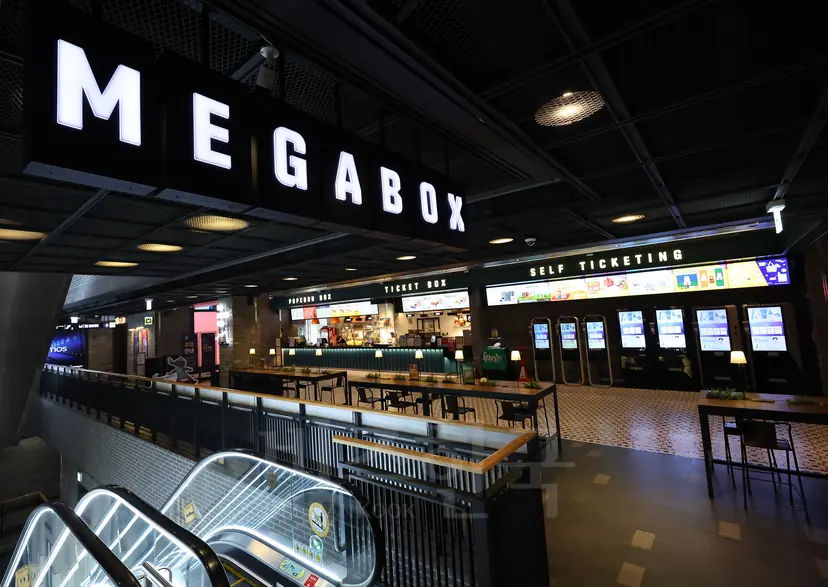
New Investments Amid Potential Store Efficiency Efforts… "Selection and Concentration"
Megabox JoongAng, currently undergoing corporate rehabilitation, is shifting into high gear with business restructuring. Recently, the company has submitted a series of applications to the court for permission to perform or terminate executory contracts that remain unperformed by both parties, signaling a move to reorganize existing agreements.
On August 10, Megabox JoongAng submitted a report to the court identifying which contracts it intends to continue performing during the rehabilitation process. On the 19th, it filed for permission to terminate certain unperformed bilateral contracts it no longer wishes to maintain. The company has begun the process of distinguishing between contracts to keep and those to resolve.
An unperformed bilateral contract refers to a contract where neither party has fulfilled their contractual obligations. Under the Debtor Rehabilitation and Bankruptcy Act, a manager may, with court approval, continue to perform or terminate such contracts at the start of rehabilitation proceedings.
The industry is closely watching whether this contract reorganization will lead to the cancellation of lease agreements related to theater operations. Given that Megabox JoongAng operates numerous company-owned and franchised theaters nationwide, there is a high possibility that store operational efficiency will be pursued as part of this restructuring process.
Homeplus, which previously entered rehabilitation, also utilized the right to terminate unperformed bilateral contracts to reorganize lease agreements for its stores. In May of last year, Homeplus filed a request with the Seoul Rehabilitation Court for permission to terminate such contracts, and after receiving court approval, issued termination notices to 17 leased stores where rent adjustment negotiations had failed.
As of the first quarter, Megabox JoongAng operated 114 locations, consisting of 72 franchised theaters and 42 company-owned ones. Recently, some stores have suspended operations or closed. The Megabox Daejeon branch suspended temporary operations in February, and Megabox Picture House went on hiatus in June. The Changwon Naeseo branch closed on August 23.
While some contract terminations are expected during the rehabilitation process, Megabox JoongAng is not fully scaling back its existing business. In the film investment sector, the company is reviewing existing projects while simultaneously pursuing new investments. On the 19th, Megabox JoongAng applied for permission to terminate existing film planning and development investment contracts, but on the 24th, it requested court approval to sign new film production, investment, and profit-sharing agreements. It appears to be refining its portfolio by continuing to invest in projects it deems viable even during the rehabilitation process.
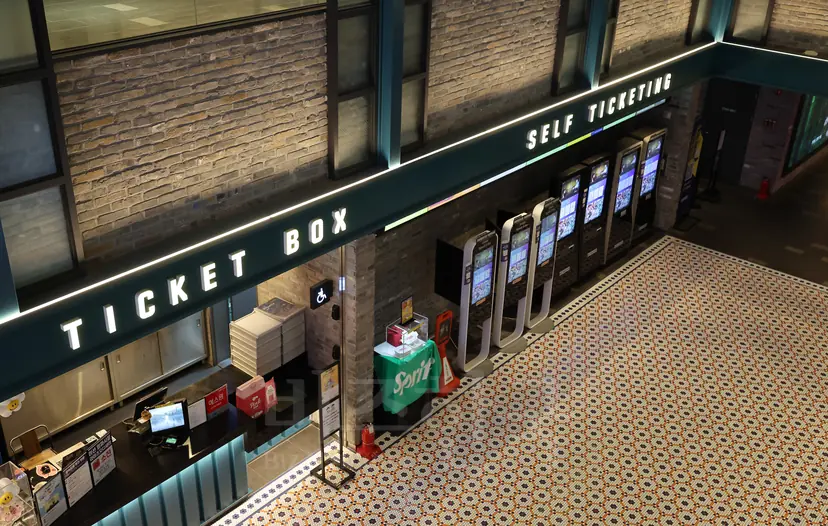
23 Billion Won in Unsettled Payments Tied Up as Rehabilitation Claims… Fears of Widespread Industry Damage
Within the film industry, concerns regarding unpaid settlements continue to grow following Megabox JoongAng's entry into rehabilitation. Upon the commencement of proceedings on June 15, Megabox JoongAng classified unsettled payments accrued up to the previous day as rehabilitation claims. As the amount and timing of repayment for rehabilitation claims are determined by the court-approved rehabilitation plan, creditors—including distributors and franchised theaters—are currently unable to recover their funds immediately.
The Distributors' Solidarity estimates that Megabox JoongAng's unpaid distribution payments amount to approximately 15 billion won, based on ticketing data from the Korean Film Council's Integrated Computer Network. The Megabox Franchised Theater Association estimates that the unsettled payments for the 70-plus franchised theaters nationwide total approximately 8 billion won.
The film industry argues that the issue of unpaid settlements does not end with the creditors and Megabox JoongAng alone. Since theater settlement funds circulate throughout the film industry to production, import, and investment companies, they warn that long-term delays could lead to financial crises for small and medium-sized film enterprises.
The Film Professionals' Solidarity stated, "Megabox JoongAng's unpaid settlement claims should not be treated the same as general financial claims," adding, "Considering these are commercial settlement claims that form the circulatory structure of production, distribution, and exhibition in the film industry, measures such as early repayment for small and micro film businesses, differentiated treatment under the rehabilitation plan, and phased repayment strategies must be reviewed."
The Korean Film Council (KOFIC) has also stepped in to address industry damage caused by the rehabilitation, but no substantial relief measures have been prepared yet. A KOFIC official stated, "We are currently providing legal consultations for affected companies. Other support measures are still in the review stage."
Some delays are also occurring in the settlement process following the rehabilitation filing. The Megabox Franchised Theater Association explained, "While settlement funds accrued after the start of rehabilitation are being paid, there are instances where they are delayed beyond the scheduled dates, so the situation is not yet smooth."
However, the franchised theaters have taken the position that rather than immediately demanding the recovery of unsettled funds, they will cooperate for the normalization of Megabox JoongAng's management. They believe that if the Megabox brand survives, the operational foundation for franchised theaters will be maintained, and in the long term, the possibility of recovering the unpaid settlements will also increase.
The Megabox Franchised Theater Association stated, "While the outstanding receivables must naturally be recovered, the most important thing is for the Megabox brand to survive," adding, "Only when the brand normalizes can the damage to franchised theaters be reduced and room for recovering the unsettled payments be created. We believe that a path toward the normalization of Megabox is desirable for the entire domestic film industry."