

[비즈한국] With the iPhone 18 reveal approaching in September, the market is on high alert over "early price hike" rumors suggesting Apple might raise the price of the currently available iPhone 17 first. While it remains an unverified rumor, the market's sensitive reaction is understandable. The possibility of an iPhone 18 price hike has become greater than ever as Apple faces simultaneous pressure from soaring memory semiconductor prices and tariff burdens. Some are already complaining, wondering just how expensive the iPhone 18 will be if they are already tinkering with iPhone 17 prices.
The rumor originated from the IT leak account "Fixed Focus Digital" on the Chinese social media platform Weibo. The account recently claimed that iPhone 17 prices could change starting August 10. Although a specific date was provided, no evidence or source was cited. Major international IT outlets like AppleInsider have also shown caution regarding this claim, even while acknowledging that the account has had some success with Apple-related information in the past.
As of now, the credibility of the "August 10" date itself is low. There has been no official announcement from Apple, and it has not been verified by multiple independent sources. It is also unusual, given that Apple's standard practice is to adjust prices of existing products when unveiling new ones next month. Nevertheless, the fact that these rumors are not easily fading away is analyzed to be due to market conditions that leave Apple with little choice but to raise prices.
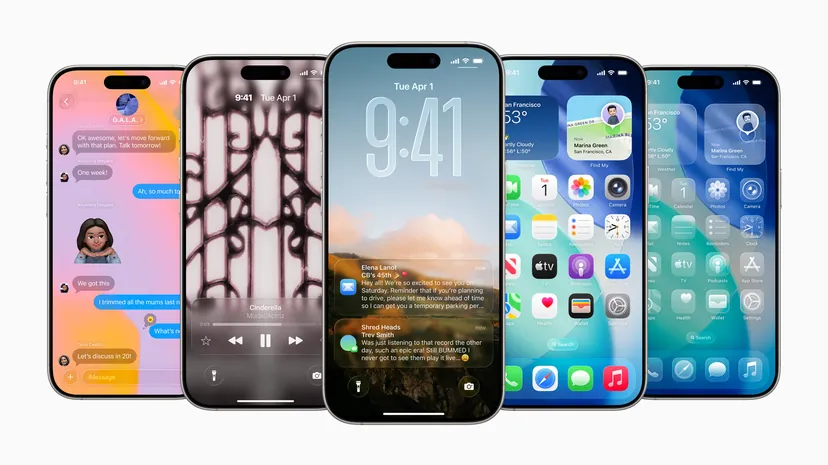
Touching even the 17? Apple cornered by memory costs and tariffs
The biggest variable is memory semiconductors. As investments in AI data centers have surged, demand for server memory has exploded, putting upward pressure on the prices of DRAM and NAND flash across the board. Since smartphones also use high-capacity memory, Apple is finding it difficult to avoid the impact.
Apple CEO Tim Cook recently commented on the semiconductor supply chain, suggesting that while he has worked in the industry for over 40 years, he has never seen a situation like the current one. Predictions are also emerging that iPhone 18 production could be affected by DRAM supply shortages.
For a company like Apple, which sells hundreds of millions of devices annually, even a few dollars' increase in component prices leads to a significant jump in overall cost burdens. This means that even Apple, which has secured favorable terms with component suppliers by leveraging its massive purchasing power, is now finding it difficult to fully absorb recent memory price hikes.
On top of this, tariff costs have been added. Apple recently stated that it incurred approximately $800 million in tariff-related costs in the last quarter. While it is diversifying its iPhone production from China to India and other locations, it is difficult to relocate an entire supply chain composed of countless parts—such as displays, semiconductors, and camera modules—in a short period.
Apple already adjusted the prices of some product lines excluding the iPhone at the end of June. While the iPhone 17 avoided a hike at that time, some in the market interpreted it as "only the iPhone is left." CEO Cook’s remarks suggesting that price adjustments due to rising costs are inevitable have given weight to these observations.
By region, price changes are already appearing. In Japan, due to the weakness of the yen, some iPhone 17 retail prices at Yodobashi Camera increased by about 10%, from 129,800 yen to 142,780 yen, and SoftBank also adjusted the prices of some models. Conversely, in countries like Spain, Germany, and Australia, discount sales are being held to clear inventory ahead of the iPhone 18 launch, showing mixed price trends by country.
At least $50? The real focus is on the iPhone 18 price
The market is paying more attention to how much the iPhone 18 will cost than to the possibility of an early iPhone 17 hike. Currently, some analysts, including those at Jefferies, are discussing a potential price hike of at least $50.
If a $50 increase becomes reality, it holds more than just numerical significance for the U.S. launch price. It acts as a signal that Apple is moving its long-maintained iPhone price bracket to the next level. In overseas markets like South Korea, where exchange rates and taxes are added, the price hike felt by consumers could be even greater.
Some speculate that rather than raising the price across all models, Apple may focus on high-end products like the Pro and Pro Max. By maintaining the starting price of the base model to give the impression of "frozen iPhone prices," they could raise the average selling price by adjusting the costs of premium models or storage configurations.
Because of this, the rumor of an early iPhone 17 price hike is being interpreted as a precursor to Apple's iPhone 18 pricing strategy. If Apple begins adjusting existing product prices before the iPhone 18 reveal, it could be seen as a preliminary step to set the new product's launch price at a higher level.
However, it is currently difficult to conclude that the iPhone 17 price will actually rise. Some analysts argue that a more realistic scenario is for Apple to present a new pricing structure when it unveils the iPhone 18 in a month's time.
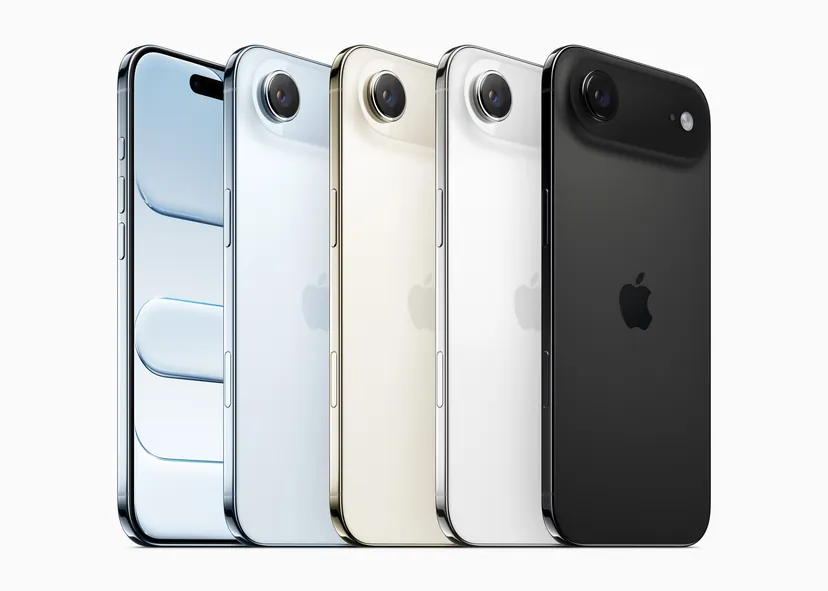
“No matter how good the margins are…” How much will consumers accept?
Whether an iPhone 18 price hike will lead to a rise in prices across the entire smartphone market remains to be seen. If competitors keep their prices in check, a larger price gap could make Apple's hikes stand out even more.
Samsung Electronics recently priced its Galaxy Z Fold 8 more aggressively than expected. Although it faces the same burden of rising memory prices, Samsung produces its own DRAM and NAND. While the mobile business is also affected by market prices, its structure, which includes both memory and smartphone businesses, gives it more room to respond in terms of supply chain and profitability compared to Apple.
In this situation, if Apple significantly raises the price of the iPhone 18, its brand premium could face a reality check. As smartphone performance becomes standardized and upgrade cycles lengthen, a wider price gap with competitor products could lead to greater consumer resistance.
This is where Apple’s dilemma lies. If they don't reflect cost increases in the price, profitability falls; if they reflect them too much, they could damage sales volume and upgrade demand. Ultimately, the real point to watch in the early iPhone 17 price hike rumor isn't August 10, but the price of the iPhone 18. This is why critics suggest that if Apple relies too heavily on its brand loyalty and pushes prices too high, the iPhone 18 might end up being a product that reveals the limits of its pricing power, rather than demonstrating it.