

[비즈한국] Heidelberg, located in the state of Baden-Württemberg in southwestern Germany, is primarily known to Koreans as a "romantic university city with an ancient castle." Its old town nestled along the Neckar River, the Heidelberg Castle on the hill, and the Philosopher's Walk draw countless tourists every year. Thanks to escaping the large-scale bombings that devastated other major German cities during World War II, its historic urban landscape remains relatively intact.
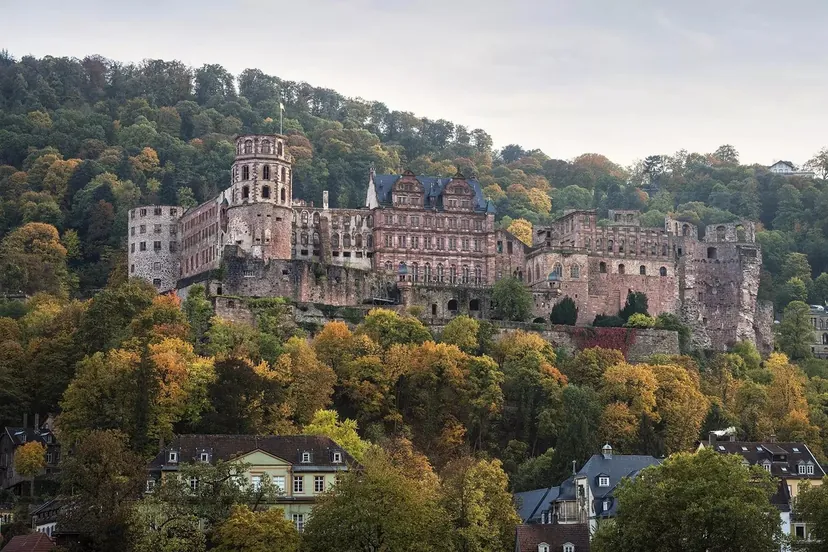
Today, tourism is not the only force driving Heidelberg. With a population of about 160,000, this city is a leading German scientific and medical research hub and a major life sciences cluster in Europe. It is home to a dense concentration of institutions including the German Cancer Research Center (DKFZ), the European Molecular Biology Laboratory (EMBL), Heidelberg University and its university hospital, the Max Planck Institute, as well as global pharmaceutical companies and biotech startups.
Heidelberg’s competitiveness lies not just in the reputation of individual institutions, but in the connectivity embedded within the city—a structure where discoveries from basic research transition into hospitals and clinical settings, eventually leading to the development of new drugs, diagnostic technologies, and medical devices by private enterprises.
A City of Learning Since 1386
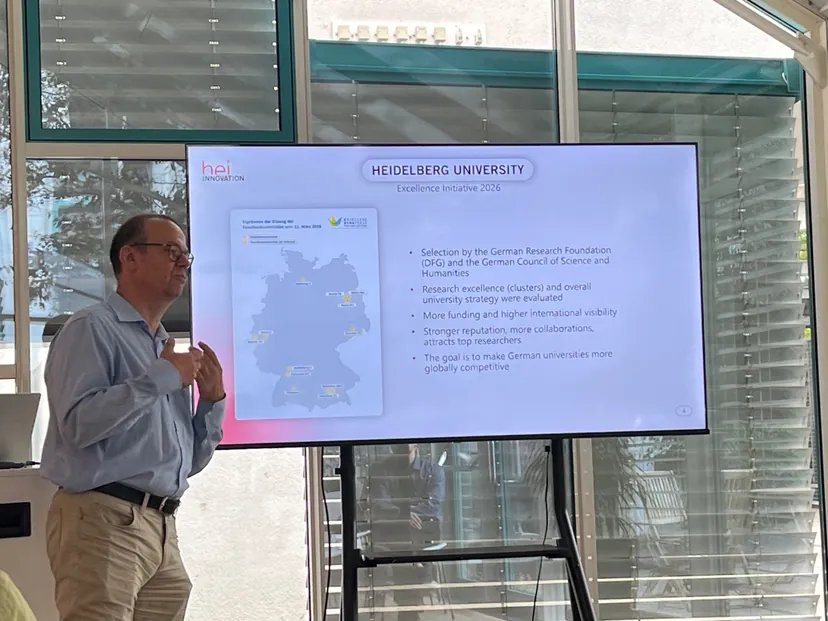
The name Heidelberg first appeared in historical records at the end of the 12th century. It grew into a base for the Elector Palatine, and in 1386, Elector Rupert I established Heidelberg University. Its official name, Ruprecht-Karls-Universität Heidelberg, marks it as the oldest university in Germany. Even today, Heidelberg University is recognized as one of Germany’s premier research-intensive universities.
Not every city with an old university becomes an innovation cluster. Heidelberg’s distinction is the layering of international research institutes and modern medical infrastructure on top of a foundation of medical and natural science research accumulated over hundreds of years.
The city’s research functions go far beyond the university buildings in the old town. Across the Neckar River in Neuenheimer Feld, the university’s natural science and medical campus, the university hospital, the DKFZ, and various other research institutes are gathered. Here, university professors, clinicians, researchers, and corporate stakeholders work in close physical proximity. This environment is highly advantageous for bridging the gap between basic research and clinical application, which is crucial in the biotech industry.
BioRN: Germany’s Largest Life Sciences Cluster
The organization representing the life sciences ecosystem in the Heidelberg and Rhine-Neckar region is the BioRN Life Science Cluster. Launched in 1996 and celebrating its 30th anniversary this year, BioRN is not a university or a research lab, but a cluster organization that connects regional companies, research institutes, hospitals, investors, and startup support agencies.
The Rhine-Neckar region hosts about 1,200 life science companies, over 15 major research institutes, and approximately 14,000 scientific personnel. Notably, seven of the world's top 10 pharmaceutical companies by revenue have bases in this region. BioRN itself has over 180 members. Its network includes not only research and medical institutions like Heidelberg University, Heidelberg University Hospital, EMBL, and DKFZ, but also major corporations such as AbbVie, BASF, Bayer, and Boehringer Ingelheim. Biotech firms, Contract Research Organizations (CROs), Contract Development and Manufacturing Organizations (CDMOs), investors, and firms specializing in patents, regulations, and business development are also part of the mix.
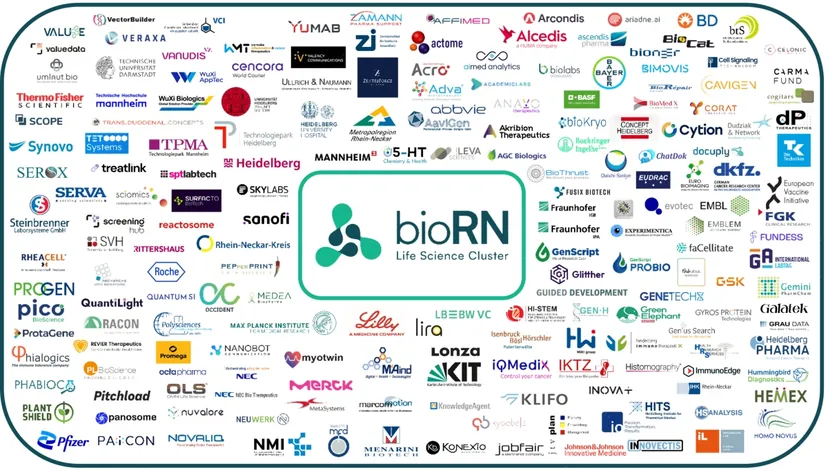
BioRN’s role goes beyond hosting networking events. It provides services like "BioRN Scout" to match researchers and startups with corporate technological needs, "soft landing" support for overseas companies entering Germany and Europe, and startup incubation and investor matching. BioLabs Heidelberg, a shared wet lab facility for early-stage biotech companies, was also brought to the region through BioRN's leadership.
For biotech startups, a laboratory holds a completely different meaning than a standard office. If a company has to set up expensive equipment and safety facilities on its own, it requires significant capital even before business begins. Shared labs reduce initial fixed costs while bringing companies at similar stages, researchers, and investors into the same space. BioRN is less a list of research institutions and more an ecosystem operator that connects research outcomes to entrepreneurship, investment, and technology transfer.
The Role of the EU Joint Research Institute, EMBL
The European Molecular Biology Laboratory (EMBL) is a flagship institution showcasing the international nature of Heidelberg’s life sciences ecosystem. EMBL is an intergovernmental research organization operated jointly by several member states, with its headquarters and major research facilities located in Heidelberg.
It currently operates six sites, including Heidelberg, Hinxton (UK), Grenoble (France), Hamburg (Germany), Rome (Italy), and Barcelona (Spain). Its research areas broadly cover core domains of modern life sciences, such as cell biology, genomics, structural biology, bioinformatics, imaging, and tissue biology.
EMBL’s role does not end with the publication of papers. It provides cutting-edge research equipment and data infrastructure to the scientific community, and conducts researcher training and international joint research. EMBLEM, its technology transfer subsidiary, manages the intellectual property originating from EMBL and supports corporate licensing and startup spin-offs. The presence of a dedicated professional organization to link basic research with commercialization is a key feature of the Heidelberg ecosystem.
The German Cancer Research Center: Connecting Cancer Research to Clinics
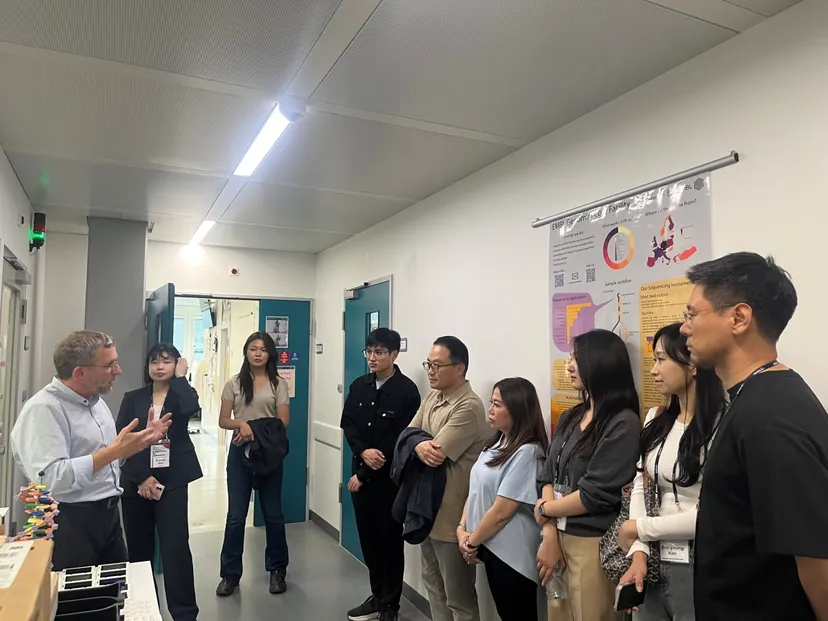
The German Cancer Research Center (Deutsches Krebsforschungszentrum, DKFZ) is Germany’s largest biomedical research institute. A member of the Helmholtz Association, it studies the causes, risk factors, prevention, diagnosis, and treatment of cancer. With over 3,000 personnel, it conducts research in cell and tumor biology, genomics, immunology, radiological oncology, epidemiology, and cancer prevention. A core focus of the DKFZ is translational research that bridges findings to patient care.
The institution that symbolizes this effort is the National Center for Tumor Diseases (NCT) Heidelberg. Through cooperation between the DKFZ and Heidelberg University Hospital, researchers and clinicians work together to develop precision diagnostics, clinical trials, and new cancer treatments. It is a structure where the potential of biomarkers or therapeutic targets discovered in the lab can be jointly verified with the hospital for use in actual patients.
From the perspective of a Korean biotech startup, the DKFZ and the university hospital are more than just renowned research institutions. For new cancer diagnostic technologies or drug candidates to enter the European market, they need clinical validation, access to patient specimens, verification by local medical staff, and regulatory strategy. In Heidelberg, one can find researchers, hospitals, clinical experts, and commercialization partners to support these processes in relatively close proximity.
Germany’s Oldest Medical Education Tradition
While people often refer to the Heidelberg University Hospital as "Germany’s oldest university hospital," it is more accurate to describe it as the hospital that inherited the medical education tradition of Germany’s oldest university. The history of the medical faculty at Heidelberg University dates back to 1388. It is well-known to the public through the iconic film "Anatomy," which is set against the backdrop of the university and its anatomy department.
Today, the Heidelberg University Hospital (Universitätsklinikum Heidelberg, UKHD) is one of Germany’s leading university hospitals, simultaneously conducting patient care, research, and medical education. It excels in fields such as cancer, rare diseases, neuroscience, cardiovascular disease, and complex severe illnesses. It conducts joint research with external institutions like the DKFZ and validates developed treatments within the hospital.
Heidelberg’s strength is not just that research institutions "exist" around the hospital. It is that the institutes and the hospital establish joint organizations like the NCT, researchers and clinicians work on projects together, and outcomes are translated into technology transfer or startups. It is an approach that views science, medicine, and industry as one continuous value chain.
A Lifestyle Zone Extending to Mannheim and Ludwigshafen
The Heidelberg life sciences cluster does not end within its city limits. Mannheim is about a 15-minute train ride away, and across the Rhine River lies Ludwigshafen, home to the headquarters of BASF, one of the world's largest chemical companies. These three cities form a single living and industrial area known as the Rhine-Neckar metropolitan region.
Mannheim complements Heidelberg in medical technology and clinical fields. Notably, Heidelberg University houses two medical faculties: the Heidelberg Medical Faculty and the Mannheim Medical Faculty. The Mannheim Medical Faculty is closely integrated with the University Medical Center Mannheim to conduct research and medical education.
While the administrative structures of the Heidelberg and Mannheim hospitals are separate, both medical faculties belong to Heidelberg University, fostering research, education, and clinical collaboration within the metropolitan area. Essentially, one university has secured two medical hubs with different strengths.
Another example of inter-regional connection is "5-HT Chemistry & Health." Based in Ludwigshafen, 5-HT connects companies, startups, investors, and research institutes in the chemistry and healthcare sectors. BASF, SAP, and various startup support agencies from the Rhine-Neckar region, Mannheim, Heidelberg, and Ludwigshafen participate as shareholders.
In this structure, Heidelberg provides strengths in universities and basic/clinical research, Mannheim in medical technology and industrial applications, and Ludwigshafen in the chemical and materials industry. Intermediate organizations like BioRN and 5-HT connect the necessary partners, transcending city and industry boundaries.
Korean Biotech Startups in Heidelberg
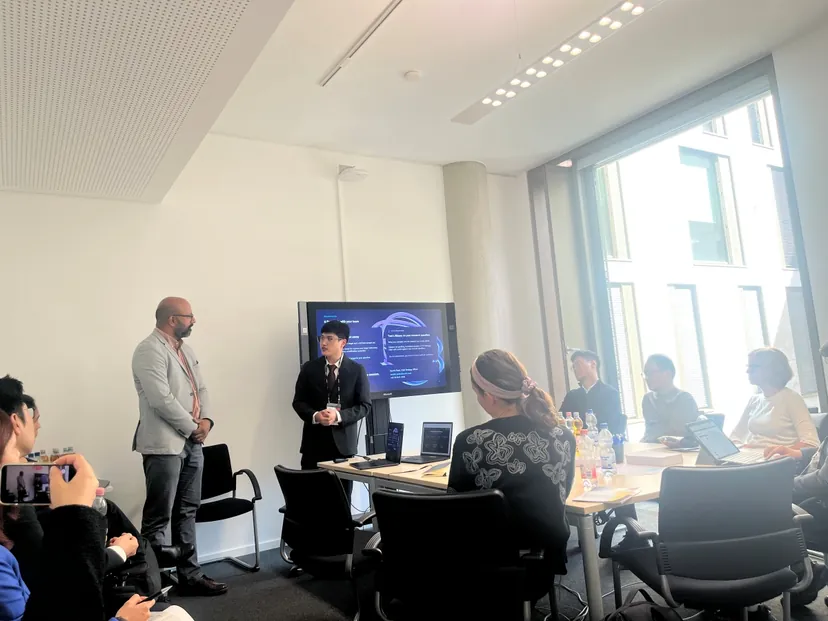
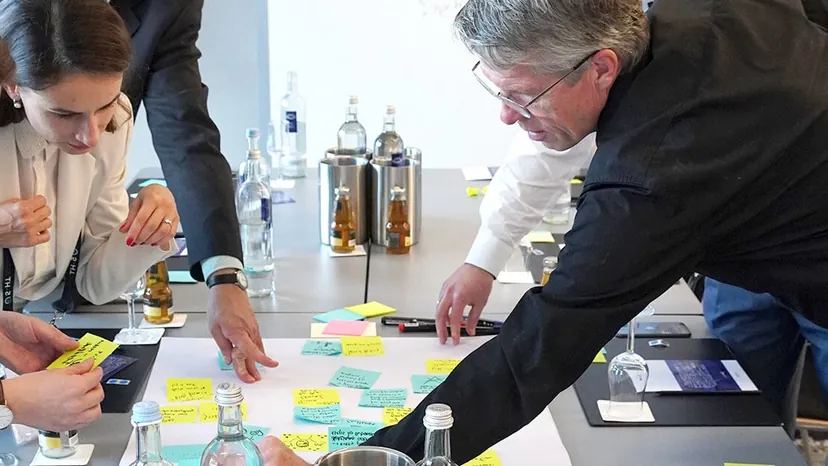
On September 17, the "K-Biotech Innovation Day" was held at the Heidelberg Business Development Center. The event was organized by IBK Changgong Daegu, Y&Archer, and 123Factory, with BioRN participating as a local partner.
On this day, Korean biotech and medtech startups introduced their technologies to research institutions, clinical/business development experts, and corporate representatives within the BioRN ecosystem. Participating companies identified key needs such as clinical/joint research partners, distribution partners, technology transfer and licensing opportunities, and strategic business collaborations.
First, AAVATAR Therapeutics is a gene therapy platform company that uses AI to design AAV capsids capable of delivering genes to specific tissues with higher precision and safety. It garnered the most enthusiastic interest at the event.
AIT STUDIO is a digital healthcare company that quantifies patient movement and functional status through AI-based gait analysis. The interest from local institutions was immense, to the point that they secured equipment purchase contracts for a Proof of Concept (PoC) with not only the Fraunhofer Institute but also Berlin's Charité University Hospital, the largest university hospital in Europe.
BICHEDAM is a biotech firm developing oral therapeutics based on natural substances. CEO Moon Ho-bin, a former oriental medicine practitioner, participated in the program with such dedication that he closed his clinic to focus entirely on herbal-based drug development. Locally, the company received interest from global pharmaceutical firms like GSK and discussed joint R&D with the Sports Medicine Research Institute at Goethe University Frankfurt.
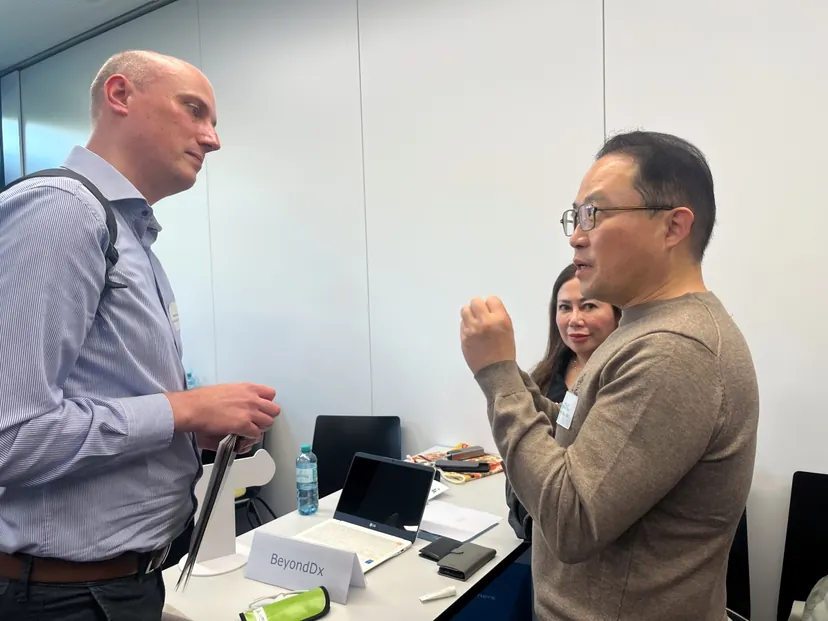
BeyondDx is a diagnostic technology company that detects diseases early by combining AI with multi-omics data. It was founded by CEO Jung So-jin, who has extensive experience in therapeutic R&D, business strategy, and planning at major domestic pharmaceutical firms like CJ, SK Chemicals, and Chong Kun Dang. On this day, Director Kim Hyun-pyo pitched enthusiastically to find local joint R&D partners.
LMNTIC Biotech is a liquid biopsy platform company that uses micro-magnetophoresis technology to isolate and analyze circulating tumor cells in blood. CSO Kim Seo-rim, a co-founder, leveraged her eight years of living in Germany to skillfully navigate networking based on her deep local understanding.
Although their technical fields differed, these companies shared a common challenge: they must answer how to connect the research results and products secured in Korea to clinical problems in the European market, who will validate their technology and conduct joint research, and in which country to create their first successful commercialization case.
Overseas expansion for a biotech company is not achieved just by participating in exhibitions or establishing a local entity. Even with excellent technology, local medical staff and researchers must recognize the necessity of the technology, and joint validation results must be produced. A long process involving regulations, clinical trials, investment, and licensing or distribution awaits thereafter.
In that sense, the presentation at BioRN is not the completion of entry into Europe, but the starting point. It is more important to see what follow-up discussions are held with researchers after the presentation, which hospital starts a small validation project, and how those results are connected to local business development.
Heidelberg possesses world-class universities, hospitals, and research institutes. However, those names alone cannot explain today’s biotech cluster. The true competitiveness of Heidelberg lies in the fact that a structure where research institutes, hospitals, startups, pharmaceutical companies, and investors can meet has been accumulated over a long period.
BioRN finds and connects necessary partners, while BioLabs provides experimental space for early-stage companies. EMBL and DKFZ produce world-class research and technology, and the university hospital connects them to the clinical field. Adjacent Mannheim and Ludwigshafen add a foundation in medical technology and chemical/material industries.
Korea also has many regions densely packed with excellent hospitals, research institutes, and biotech companies. However, to become a world-class biotech cluster, it requires more than just the number of institutions; it needs clear pathways for research results to transition to hospitals and companies, windows for foreign companies to find appropriate partners, and operational capacity to develop small-scale joint validation into actual contracts and investments.
The author, Lee Eun-seo, majored in law in Korea and studied theater in Berlin. Based in Berlin, a city of art and a European startup hub, she leads 123Factory, bridging the startup ecosystems of Korea and Germany while growing alongside the city.