

[비즈한국] Gangbyeon Station Central IPARK, Seoul's first "Moa Housing" project, began full-scale move-ins last month. As the project, which transformed 99 old row-house units into a 215-unit apartment complex, enters the occupancy phase, the site reflects both positive assessments of the redevelopment effects and realistic limitations, such as loan burdens and rising local housing prices.
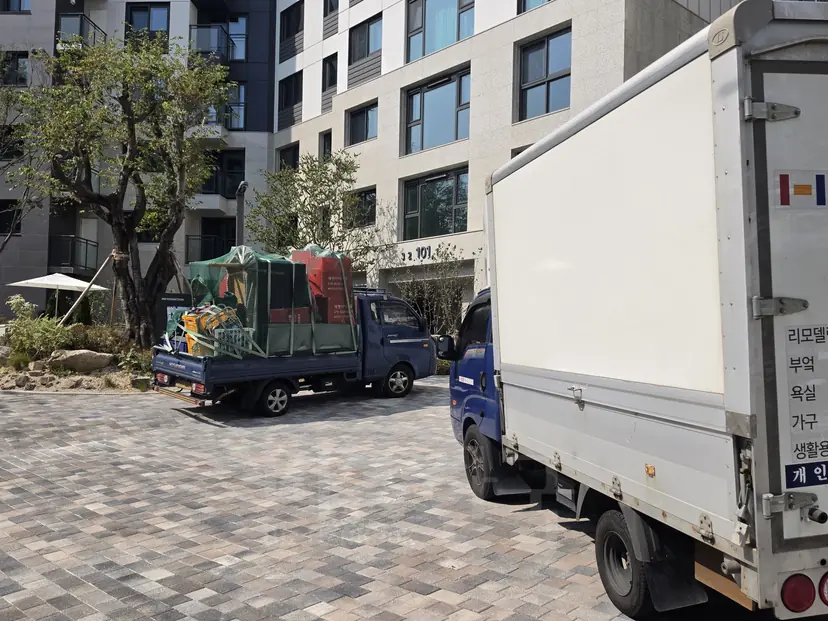
On September 30, the Gangbyeon Station Central IPARK in Gwangjin-gu, Seoul, was bustling with move-in preparations. Trucks carrying moving boxes and vehicles delivering home appliances were entering and exiting the complex, and residents clutching move-in documents were seen hurrying to and from the management office. Resident A, who was waiting for their children, expressed excitement while noting the high subscription competition rate. However, they added, "Because the houses are clustered together, the complex feels a bit cramped."
Moa Housing is a small-scale housing redevelopment method introduced by the Seoul Metropolitan Government that bundles aging low-rise residential areas, where large-scale redevelopment or reconstruction is difficult, to undergo rapid improvement. It involves adjacent land owners pooling their plots to build apartment buildings; Gangbyeon Station Central IPARK is the first Moa Housing project pursued through a street-housing redevelopment project. "Moa Towns," which group several Moa Housing sites together, are a method of upgrading infrastructure like roads, parking lots, and parks collectively.
Residents met on the day generally evaluated the redevelopment effects of Moa Housing revealed by Gangbyeon Station Central IPARK positively. Resident B from Guui-dong, who visited to look around the complex, said, "There are many people in this neighborhood who hope their old villas will be turned into new apartments," adding, "I think if the projects continue to be pursued, the neighborhood will look much tidier."
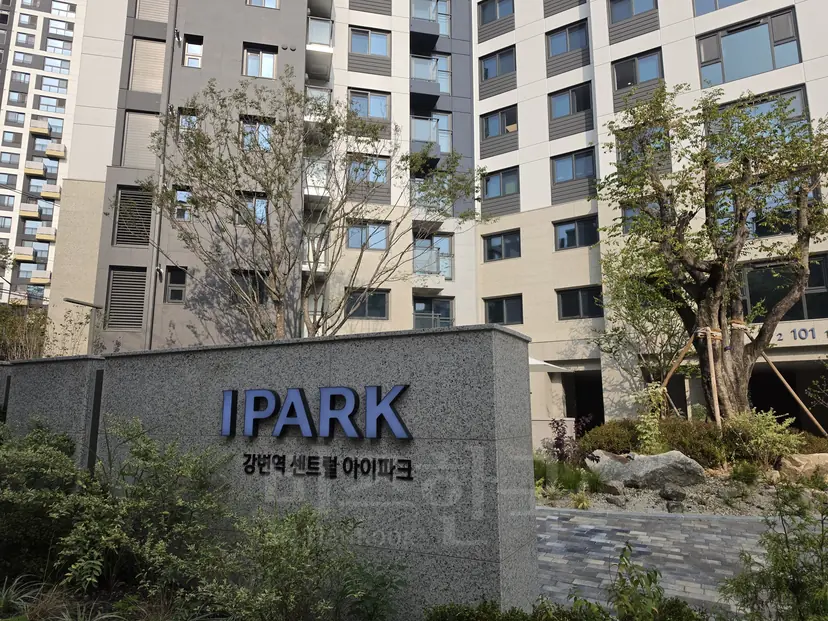
Local real estate agents also expressed positive views on the Moa Housing project. An official from a nearby real estate office said, "As the strict requirements were eased, the project speed seems to have gained momentum," adding, "Gangbyeon Station Central IPARK seems to have instilled expectations in the surrounding area that 'redevelopment like this is possible'."
While the feedback on-site was generally positive, some raised concerns that expectations for the project are being reflected in surrounding property prices faster than the actual progress of the projects. Real estate industry insider C said, "As talk of Moa Housing and Moa Towns spread, the prices of nearby villas rose significantly. Some have even nearly doubled in price," adding, "In a situation where it's unclear when or even if a project will proceed, having prices rise first can be a burden."
With tightened loan regulations, some cases of difficulties during the move-in process have also emerged. According to nearby real estate agents, some residents have had to delay their move-ins or rely on rent deposits to cover the final balance because the necessary loans for the remaining payment were not fully available. When Seoul Mayor Oh Se-hoon visited Gangbyeon Station Central IPARK on September 28, an official on-site explained that there were cases where residents were facing difficulties moving in due to loan issues.
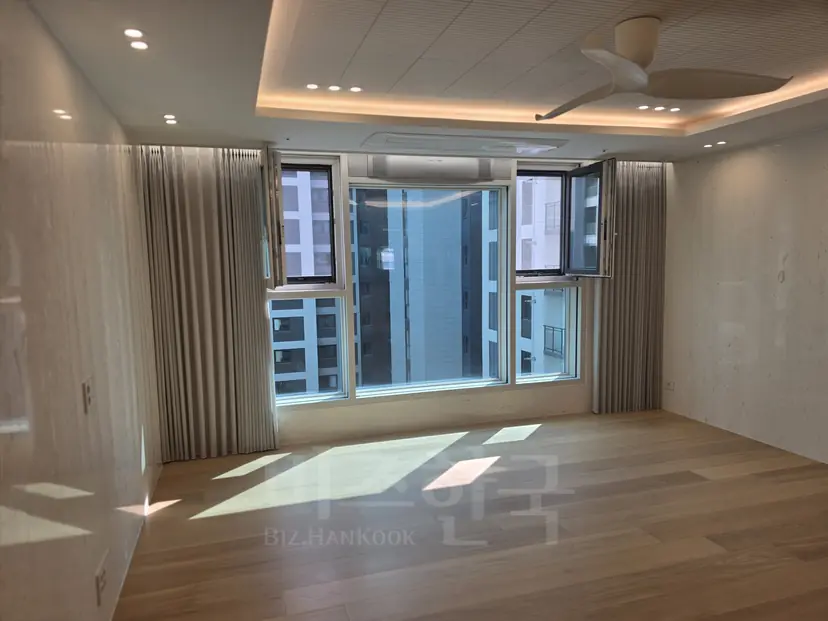
The Seoul Metropolitan Government plans to accelerate the expansion of the Moa Housing project following the first successful move-in. With a goal of starting construction on 40,000 units by 2031, the city will deploy a "Visiting Rapid Resolution Support Team" composed of experts to areas with project delays and introduce "Moa Integrated Planning" for new projects to shorten project timelines.
Experts also evaluated the fact that the first Moa Housing project reached the actual occupancy stage as a positive development. Lee Eun-hyung, a research fellow at the Research Institute of Construction Policy, remarked, "The fact that an occupancy case has emerged just about five years after the Moa Housing concept was fully introduced is a positive sign," adding, "Considering that conventional redevelopment and reconstruction often fail to proceed smoothly in Seoul's aging residential areas, the future results are worth looking forward to."
Kim Hak-ryul, head of the Smart Tube Real Estate Research Institute, felt it was difficult to apply the achievements of this project directly to other ongoing Moa Housing and Moa Town projects. "Gangbyeon Station Central IPARK is a case where various conditions aligned, such as the existing street-housing redevelopment framework, the involvement of a major construction company, a trust-based method, and the securing of volume for general sales," said Kim. "It is difficult to assume that other project sites will have the same conditions." He added, "For projects to proceed successfully, it is necessary to secure sufficient project viability, ensure volume for general sales, and maintain favorable conditions for financing."