

[비즈한국] The first treatment under the expanded regulatory framework for advanced regenerative medicine, which allows for actual patient care beyond clinical research, is set to begin. Catholic University of Korea Yeouido St. Mary's Hospital, which received the first notification of approval for a treatment plan after the system was introduced in February last year, is now entering the patient treatment phase.
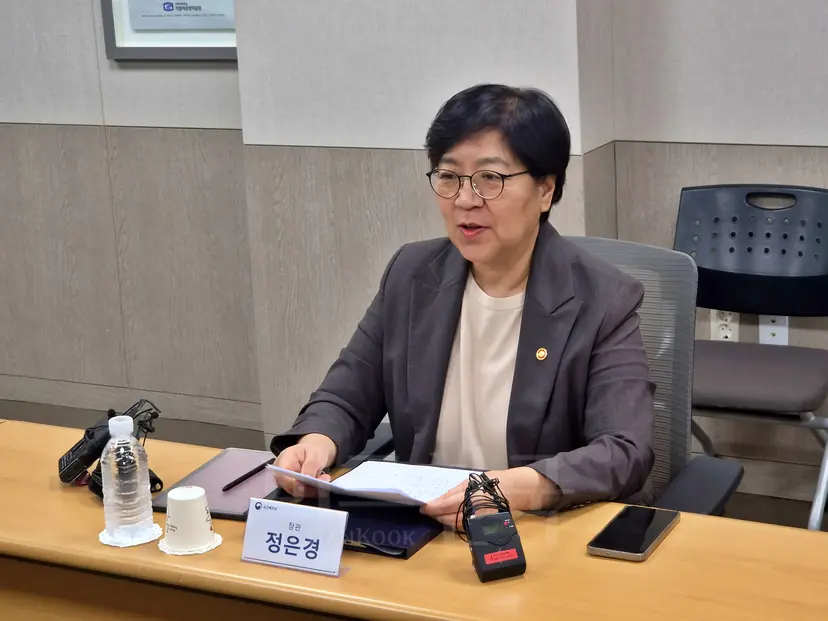
Minister of Health and Welfare Jung Eun-kyeong visited Yeouido St. Mary's Hospital in Yeongdeungpo-gu, Seoul, on the 22nd to inspect preparations for the advanced regenerative medical treatment. This case is significant as it marks the first time the advanced regenerative medicine treatment system has been applied to an actual patient. The collection of the patient's cells is scheduled for the 23rd.
During her opening remarks, Minister Jung stated, “The advanced regenerative medicine treatment system was first introduced in February 2025, and we are now beginning the first treatment at Yeouido St. Mary's Hospital. I believe this is a meaningful first case that demonstrates how new medical technologies can be applied to real-world patients.”
Advanced regenerative medicine is a medical technology that uses cells and other materials to regenerate, restore, or form human body structures or functions, or to treat and prevent diseases. Previously, the system was focused primarily on clinical research, but amendments to the law have paved the way for providing these medical services to patients with serious, rare, or incurable diseases for therapeutic purposes.
Yeouido St. Mary's Hospital submitted its treatment plan to the Ministry of Health and Welfare last May and received final notification of approval on April 23rd after reviews by the Deliberation Committee on Advanced Regenerative Medicine and Advanced Biopharmaceuticals. It is the first such case since the system's inception.
The patient receiving the treatment is a 51-year-old male diagnosed with extranodal NK/T-cell lymphoma, nasal type. The patient underwent six rounds of chemotherapy following his diagnosis last September and reached complete remission in March of this year. The therapeutic agent to be used under this approved plan is ViGenCell’s ‘VT-EBV-N’.
Yeouido St. Mary's Hospital will proceed by collecting immune cells from the patient's blood, culturing and manufacturing them, and then administering them back to the patient. The patient was admitted today and is scheduled to undergo leukapheresis on the 23rd, followed by cell manufacturing, with the first administration planned for November 19th.
This treatment is also notable for the fact that a previously conducted clinical study has been translated into actual treatment. Yeouido St. Mary's Hospital conducted related Phase 2 clinical trials from 2017 to 2025, and the results served as the foundation for this advanced regenerative medicine treatment plan.
Yeouido St. Mary's Hospital has accumulated long-term expertise in cell therapy within the field of hematologic oncology. In a welcome address, the hospital cited its success in the nation’s first bone marrow transplant in 1988, expressing hope that this advanced regenerative medical treatment would mark a new turning point in the treatment of intractable cancers.
The government also views this as a starting point for expanding advanced regenerative medical treatments in the future. Minister Jung stated, “Based on the outcomes and experience confirmed through this case, we will strengthen policy efforts and continuously refine the system so that patients suffering from serious, rare, and incurable diseases can receive more treatment opportunities more safely.”

However, as advanced regenerative medicine expands from clinical research to actual treatment, there are challenges to address. A primary concern is the treatment cost borne by the patient. Unlike clinical research, treatment under this system involves out-of-pocket expenses for the patient.
Minister Jung directly addressed the issue of costs as well. She said, “Because the field of advanced regenerative medicine is still new, we have enacted special laws and established various systems, but we are being pointed toward issues like excessive regulation and a lack of research funding. The treatment cost may be quite burdensome in this case, but this could serve as an opportunity to test-run how to manage costs by applying new risk-assessment methods.”
In particular, the government indicated that if safety and efficacy evidence is accumulated through these treatments, it may consider providing health insurance coverage in the future.
Minister Jung noted, “Patients often ask about health insurance coverage. Once safety and efficacy become more established through this treatment system, we can use that as a basis to review coverage. The government will also provide support so that good treatment methods can generate solid evidence.”
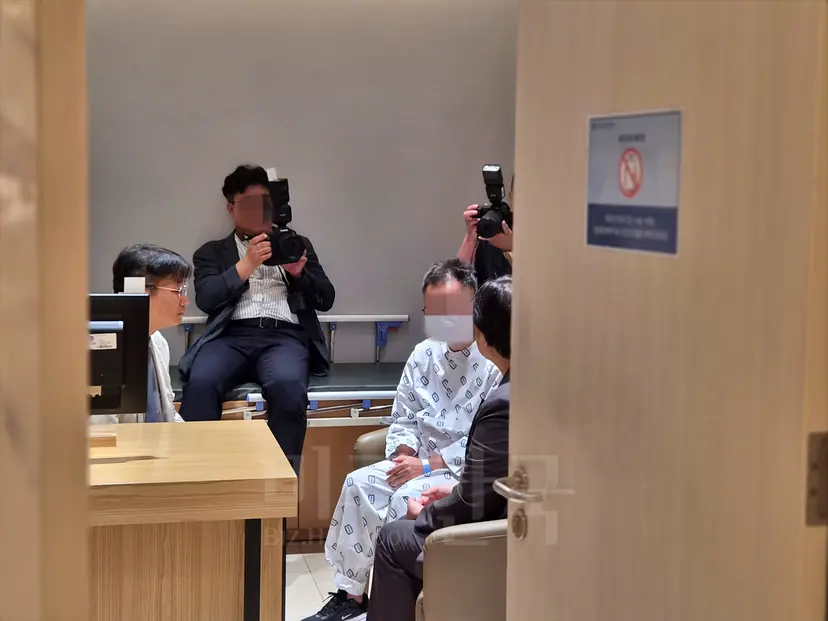
The first treatment does not automatically signify the success of the advanced regenerative medicine system. Long-term monitoring of the patient's condition and potential recurrence is required. Minister Jung also stated, “Since it is considered a success only if there is no recurrence over five years after long-term treatment, we must look at the therapy and its results in the long term. With this first approval under the treatment system as a starting point, we will continue to organize systems and regulations in a patient-centered manner so that more serious, rare, and intractable diseases can benefit from new treatment methods.”
The total cost of this treatment is 76,207,178 won. The patient will pay approximately 40 million won upfront, and the remainder will be paid if the patient does not experience a recurrence within five years after the treatment. Conversely, if the patient experiences a recurrence within five years, the treatment costs paid by the patient will be fully refunded.