

[비즈한국] Dongkang Holdings, the former top-tier holding company of Dayou Winia Group, has been released from nearly 10 billion won in joint surety liability for its affiliates. This ruling comes as the intermediate holding company, Dayou Holdings, has declared bankruptcy and major affiliates are undergoing successive rehabilitation and liquidation procedures. While the first trial recognized Dongkang Holdings' joint surety liability of 9.95517 billion won, the second trial completely overturned this decision. The appellate court did not recognize the legal validity of the joint surety agreement created during the process of responding to a financial audit.
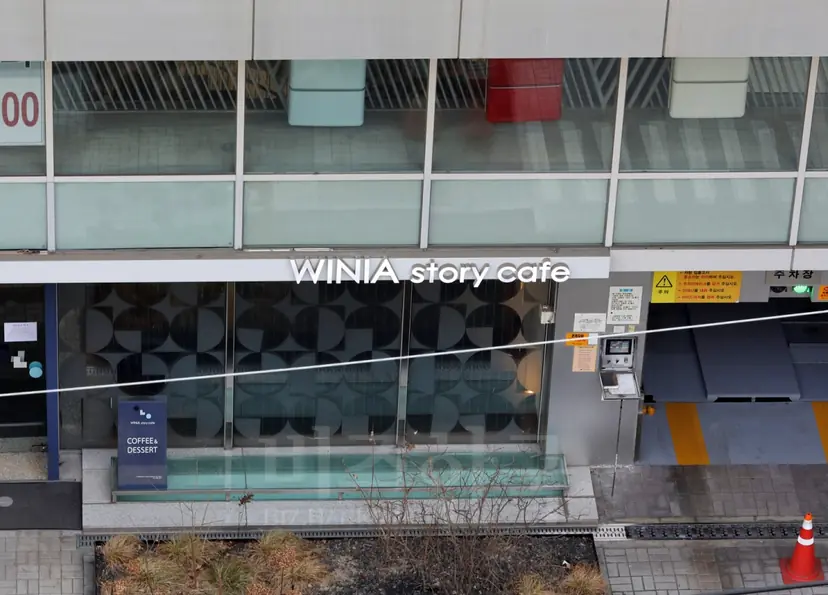
According to Bizhankook’s reporting, the 18-3 Civil Division of the Seoul High Court (Presiding Judge Jin Hyun-min) overturned the first trial's ruling against Dongkang Holdings and dismissed the plaintiff's claim on the 28th of last month in a loan lawsuit filed by DH Autonex (formerly Dayou Plus) against Dongkang Holdings. Previously, the Seoul Central District Court had ruled in April last year that Dongkang Holdings must pay 9.95517 billion won plus interest jointly with Dayou Holdings to Dayou Plus.
Dongkang Holdings was the top holding company of Dayou Winia Group. The group was structured from Dongkang Holdings down to the intermediate holding company Dayou Holdings, and then to major affiliates such as Dayou Plus, Dayou A-Tech, and Winia. As of the end of 2023, Dayou Holdings was the largest shareholder of Dayou Plus, and Dongkang Holdings was the largest shareholder of Dayou Holdings, holding a 73% stake. At the apex of this governance structure was former Chairman Park Young-woo, who held a 17% stake in Dongkang Holdings.
Dayou Winia Group's governance structure has effectively collapsed due to the rehabilitation and bankruptcy of its affiliates. The flagship affiliate, Dayou Plus, entered rehabilitation procedures in November 2023 and was incorporated into DH Group through an M&A process prior to the approval of the rehabilitation plan. In January last year, it changed its name to DH Autonex. The intermediate holding company, Dayou Holdings, went bankrupt in May last year. The top holding company, Dongkang Holdings, fell into a state of complete capital impairment with a total capital of -19.9 billion won at the end of last year.
This lawsuit began with financial transactions between former Dayou Winia Group affiliates. From March 2021 to July 2023, Dayou Plus entered into nine monetary loan agreements with Dayou Holdings to lend funds. Some of the loans were repaid midway or had their maturities extended. At the end of 2022, the loan receivables stood at 26.89009 billion won, and at the time of the lawsuit, the remaining principal was 24.06717 billion won.
Dongkang Holdings became entangled in the loan lawsuit due to the joint surety. During the audit of the 2022 fiscal year, Dayou Plus's external auditor requested documentation to prove the collectability of the loans to Dayou Holdings. Dayou Holdings submitted a repayment plan, but the external auditor demanded further explanation. On March 2, 2023, Dayou Plus requested Dongkang Holdings to consider providing a payment guarantee as a way to resolve the bad debt issue.
Four days after the request, Dongkang Holdings sent a joint surety agreement to Dayou Plus. This document contained the content that Dongkang Holdings "agrees to provide joint surety" for the 26.89009 billion won loan balance of Dayou Holdings. Although the actual document was created around March 6, 2023, the date was backdated to December 31, 2022, at the request of Dayou Plus.
The first trial recognized this agreement as an actual joint surety contract. The court interpreted the phrase "agrees to provide joint surety" as containing the actual intent to guarantee the debt. It also determined that since the entire group could have been hit if Dayou Plus did not receive a clean audit opinion, Dongkang Holdings had an interest in providing the guarantee. However, it limited the scope of the guarantee to debts incurred by the end of 2022, recognizing only 9.95517 billion won.
However, the appellate court's judgment was different. The court stated that since this is a contract involving significant liability, the wording must be interpreted strictly. In particular, it pointed out that it is difficult to conclude that the mere expression "agrees to provide joint surety" indicates an actual intention to bear surety liability, and it was unclear which loans were being guaranteed. The conclusion was that it was difficult to recognize that an actual joint surety contract had been formed.
The circumstances surrounding the creation of the agreement also became a basis for the appellate court's judgment. Despite the agreement involving a guarantee of approximately 26.9 billion won in debt, Dongkang Holdings received no compensation and did not undergo a board resolution. There was no review of the debtor Dayou Holdings' repayment ability or repayment plan. The backdating of the document was also taken into account. The court concluded, based on all these factors, that Dongkang Holdings had no intention of generating the actual legal effect of a joint surety.
The court went further, determining that Dayou Plus knew or could have known of Dongkang Holdings' true intent. Therefore, even if a guarantee contract had been formally formed, the expression of intent to guarantee by Dongkang Holdings was considered invalid. The court cited as evidence that Dayou Plus requested the guarantee for the purpose of responding to a financial audit, and that it did not demand fulfillment of the guarantee from Dongkang Holdings until it applied for a payment order in December 2023 after receiving the agreement.
This ruling does not mean that the original debt of Dayou Holdings has disappeared. The first trial ruled that Dayou Holdings must pay the principal of 24.06717 billion won plus interest and delay damages to Dayou Plus. This part was finalized as neither side appealed. However, since Dayou Holdings is already bankrupt, had the first trial's ruling on Dongkang Holdings been maintained, DH Autonex could have claimed approximately 10 billion won from Dongkang Holdings as well.
This appellate ruling is not yet final. If DH Autonex appeals, Dongkang Holdings' joint surety liability will be determined once again by the Supreme Court.