

[비즈한국] It has been confirmed that the "weather premium" intended for delivery riders working in extreme heat was not properly paid by some platforms. Baedal Minjok (Baemin) announced it would pay the missing amounts, explaining that an error occurred while retrieving weather information, causing the premium to be withheld from some riders. Critics argue that since this system was introduced to ensure the safety of delivery workers, the system must be improved so that riders can clearly verify whether payments have been correctly made.
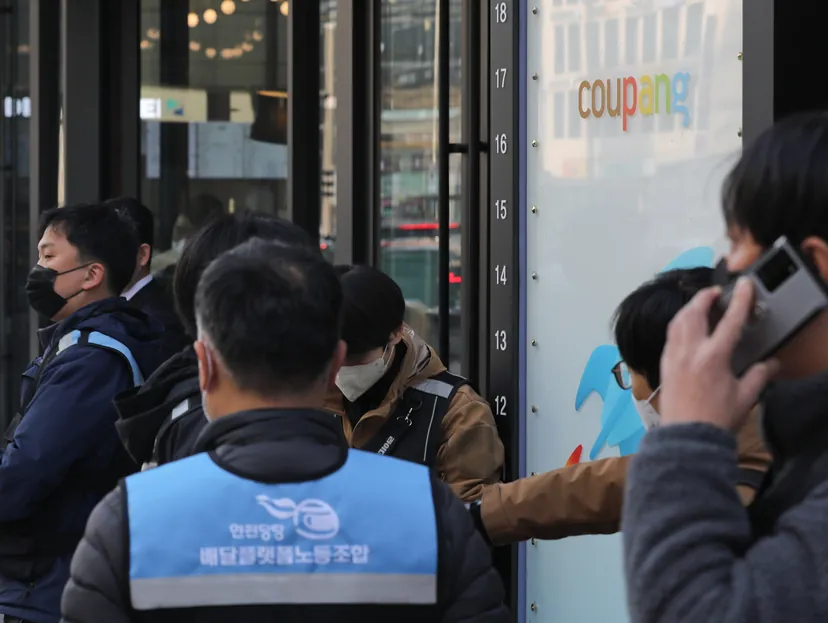
From the 3rd to the 5th, as heatwaves continued nationwide with daytime highs reaching around 38 degrees Celsius in some areas, the weather premium was not properly applied at Baedal Minjok. Baemin explained that an error occurred in the process of pulling data via the Korea Meteorological Administration's API (Application Programming Interface), causing some data to be inaccurately reflected. On the 10th, the company sent text messages to the affected riders, informing them of the scheduled payment amount and their plan to pay it out within the week.
The weather premium is a system that provides additional delivery fees to riders when weather conditions deteriorate, such as during heatwaves, cold snaps, rain, or snow. It is operated by major delivery platforms like Baedal Minjok and Coupang Eats. Baedal Minjok applies the weather premium when temperatures are 33 degrees Celsius or higher, or below minus 5 degrees Celsius. The premium is 500 won per delivery. The platform covers the entire cost, with no additional charges passed on to restaurant owners or consumers. Coupang Eats has not disclosed its specific criteria, such as the exact temperatures or payment amounts at which the weather premium applies.
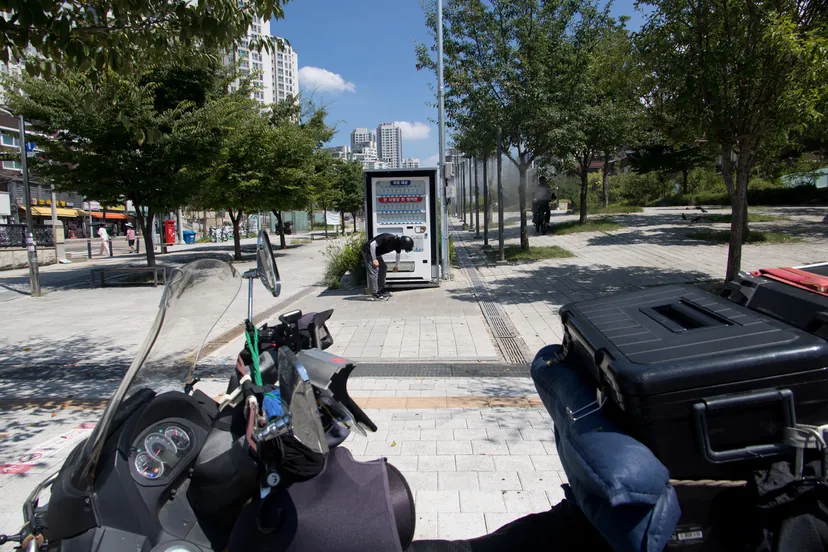
According to the delivery platform union, this payment failure was not limited to a specific region but occurred extensively.
Currently, Baemin operates a separate weather reporting procedure that allows riders to notify the company if the official weather information differs from actual conditions. However, some argue that there needs to be a system in place where the platform can identify and respond to system issues on its own. In this instance, the failure was brought to light through reports from riders and the union, rather than being identified by Baemin itself.
Coupang Eats faces criticism for a lack of transparency regarding its weather premium application criteria and settlement details. While Baedal Minjok has a set standard of 500 won per delivery when temperatures exceed 33 degrees, Coupang Eats has not disclosed at what temperature the premium starts or the specific amount paid per delivery.
It is also difficult for riders to verify whether a weather premium was applied after completing a delivery. Baedal Minjok lists the weather premium as a separate line item in settlement details, but Coupang Eats includes it within the base delivery fee. Consequently, if a rider wants to check how much was paid as a weather premium for a specific delivery, they must inquire separately with customer service.
Koo Gyo-hyun, head of the Rider Union branch, stated, "It is realistically difficult for riders to cross-reference their settlement details with weather data for every single order," adding, "Even if they provide additional compensation for previous unpaid amounts, the current structure makes it hard for riders to verify if they received exactly what they were owed."
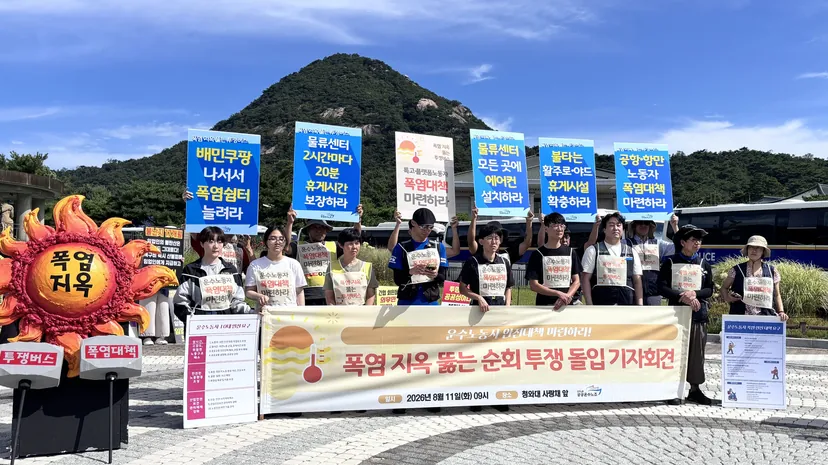
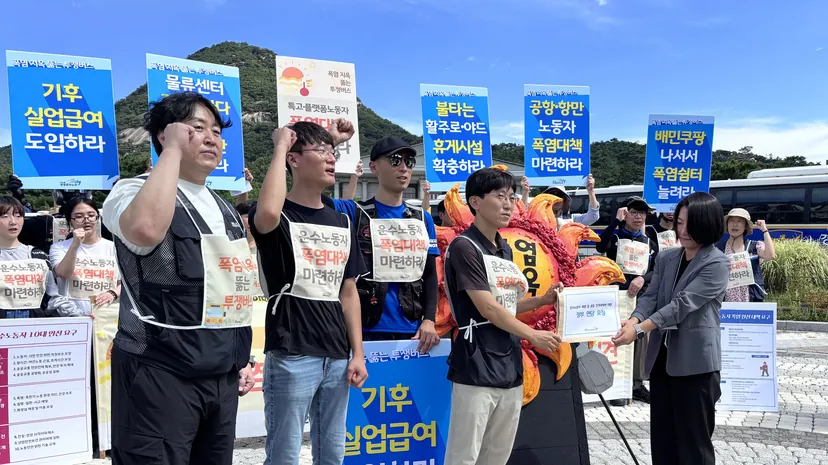
In relation to this, the KCTU Public Transport Workers' Union held a "Press Conference to Launch On-Site Heatwave Protest Tour" in front of the Blue House Sarangchae in Jongno-gu, Seoul, on the 11th, calling for effective safety measures. The union argued that delivery workers are not receiving sufficient compensation or protection even when asphalt surface temperatures exceed 65 degrees in the summer, and that there is a need for management and oversight of the platform algorithms that determine delivery fees and premiums.
According to the union, industrial accidents due to heat-related illnesses have increased sixfold over the past five years, rising from 13 cases in 2020 to 77 cases in 2025. Last year, 1,790 workers suffered from heat-related illnesses at work, and 5 workers were approved for workers' compensation for heat-related deaths.
However, platform companies emphasize that the weather premium is not a legally mandated wage, but a voluntary system operated by the companies to provide additional compensation for deliveries made in adverse weather. They explain that it should be viewed as a separate incentive, as it differs in nature from standard wage systems where compensation varies by weather or temperature.
An official from Woowa Han Brothers, the logistics subsidiary of Baedal Minjok, stated, "Baedal Minjok is the only company in the industry that pays heatwave premiums and discloses the criteria," adding, "It is a policy operated to foster coexistence with riders through agreements made with the labor union."
Meanwhile, Coupang Eats stated, "A delivery partner's delivery fee is calculated by comprehensively considering various delivery environments, and additional fees can be reflected accordingly," adding, "Delivery partners can check the delivery fee applied to an order before accepting it in the app and choose whether to proceed."
The company further added, "The delivery fee displayed at that time includes the weather premium amount, and we also inform them that the fee can vary depending on weather conditions and individual orders."