

[BizHanKook] Changsin Zones 9 and 10 in Jongno-gu, Seoul, which had surpassed the 75% resident consent rate required for designating a project implementer, have encountered a new variable: the re-collection of consent forms. As Jongno-gu has questioned the legality of the initial collection process and demanded a complete re-collection, the process for designating a project implementer is facing delays. A difference in temperature between the two project groups is also being detected, as they have responded differently since the re-collection decision.
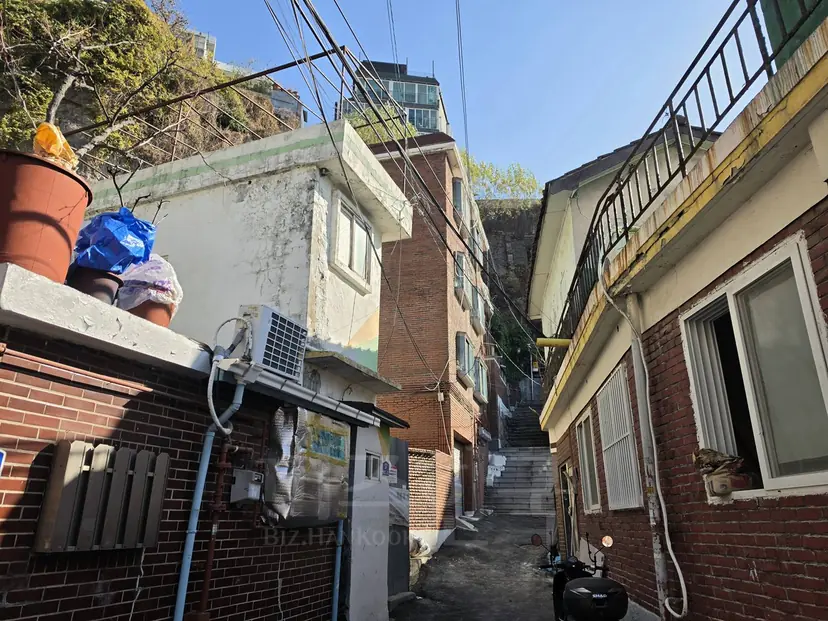
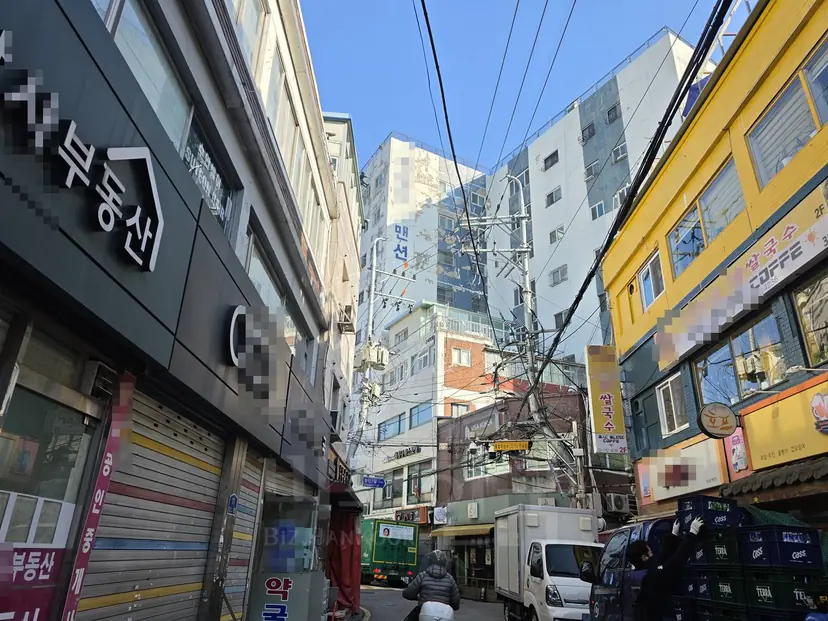
In Changsin Zone 10, visited on the 19th, it was easy to find long-standing buildings. The peeling exterior walls and various old structures bore marks of the passage of time. The situation in Changsin Zone 9 was similar. Amidst a cluster of aging houses, steep inclines and narrow alleys continued throughout the area. Elderly residents could also be seen struggling to climb the steep stairs.
Back on Track After 18 Years, Then Halted by Project Implementer Designation
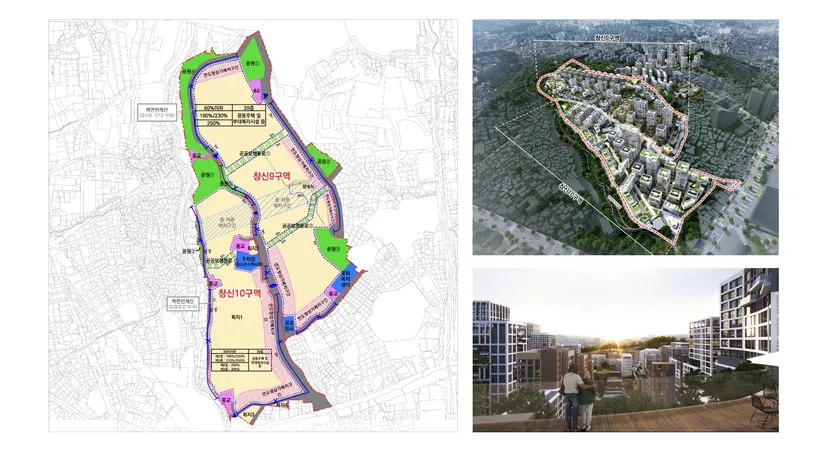
Changsin Zones 9 and 10 were selected as candidates for "Rapid Integrated Planning" redevelopment at the end of 2022 to improve poor living conditions, including aging houses, narrow roads, and steep slopes. After undergoing review by the city's Urban Planning Committee, the two zones were designated as maintenance zones last year. Following their 2007 designation as a "New Town" and subsequent cancellation in 2013, the redevelopment project—planned for up to 29 stories and approximately 4,500 households—is finally back on track after 18 years. In June, they secured the consent of over 75% of land owners, a requirement for appointing a trust company as a project implementer, and submitted their application.
However, the designation process hit a snag. After months of silence following the application, Jongno-gu demanded last month that both zones re-collect resident consent forms, citing issues with the legality of the previous collection process.
Jongno-gu explained that civil complaints regarding the consent collection process had been consistently filed. The problems cited include promotional materials offering benefits worth approximately 40 million won to those who consented, as well as guidance suggesting that those who did not consent might be excluded from future business information or be subject to cash liquidation. Jongno-gu determined that these facts could potentially violate Article 132 of the Urban and Residential Environment Improvement Act, which prohibits the provision or promise of money, valuables, or entertainment in relation to contracts. Furthermore, considering the difficulty in pinpointing when such problematic promotions began, the district demanded a full re-collection of consent forms.
The district stated that the delay in deciding on the application was due to the need to review legal and maintenance project issues through a newly formed task force and an expert advisory group.
Zone 9: "In the Process of Re-collecting," Zone 10: "Demands for Re-collection are Excessive"
The responses from the two zones after the re-collection demand were split. Changsin Zone 9 chose to re-collect the forms rather than continue a legal battle with Jongno-gu. A representative for the Zone 9 redevelopment committee stated, "We decided that there was no need to clash with the district office if we had to re-collect and submit the consents anyway," adding, "Residents are responding well, and the process is proceeding quickly." In fact, according to a Zone 9 representative, the consent rate as of the 19th was 72.5%, nearly reaching the 75% requirement just 13 days after starting the re-collection.
On the other hand, Changsin Zone 10 challenged the demand for a full re-collection. The Zone 10 committee raised issues regarding the fact that the demand only emerged months after the application was filed in June. Additionally, they argued that the demand was excessive, noting that during a Jongno-gu advisory meeting on maintenance projects, some members had expressed opinions that the application for project implementer, which met legal consent requirements, should be processed legitimately and pushed forward quickly. The committee stated that among the advisors' opinions, nothing explicitly declared the existing consent forms invalid or stated that a full re-collection was necessary.
In response, Jongno-gu explained that the advisory meeting at the time was a venue to review the project overall, including whether legal consent requirements were met, and that the opinions of some advisors did not validate the legality of the entire collection process. They stated that they decided a full re-collection was necessary after conducting a separate legal review based on subsequently filed civil complaints and related materials.
The Zone 10 committee initially resisted the re-collection decision by holding rallies and filing complaints, requesting that the district reconsider. While they considered legal action, including administrative litigation, they ultimately changed direction to re-collect the forms, believing that if the lawsuit dragged on, the damage caused by the project delay would fall on the residents. A representative for the Zone 10 committee said, "If the litigation drags on, the residents will suffer. We decided we couldn't delay the project any further, so we decided to re-collect the consents." According to the Zone 10 committee, they plan to begin the re-collection process around the 21st or 23rd following internal review by their trust company.
The difference in the two zones' responses has also led to a subtle tension between the committees. The Changsin Zone 10 side feels that their room for negotiation was narrowed when Zone 9 moved to re-collect signatures while they were still in discussions with Jongno-gu for a different solution. Changsin Zone 9, meanwhile, maintains that the two are separate projects with different approaches and conditions, and should be viewed independently.
However, both committees agree on the necessity of redevelopment and the need to expedite the project. Representatives from both sides agreed that redevelopment is necessary to improve poor living conditions, such as aging houses, narrow roads, and alleys where fire trucks struggle to enter.
Residents also said that rapid redevelopment is needed. A resident named A, who has lived in Changsin-dong for about 50 years, said, "There are many aging areas in Changsin-dong. Fires and personal injuries occur frequently because of this, so redevelopment needs to happen quickly."
Jongno-gu also acknowledges the necessity of redevelopment. A Jongno-gu official said, "It is clear that the project must proceed to improve living conditions," adding, "The goal is to complete it safely by ruling out any potential illegality, even if it means going a little slower."
With both Changsin Zones 9 and 10 accepting the re-collection of consent forms, the conflict surrounding the issue appears to have been settled for now. However, some frustration remains among project promoters and residents regarding the decision-making process for the re-collection and the delays in project implementer designation. Once the two zones meet the requirements again and submit their applications, Jongno-gu plans to review whether to grant the designation according to the relevant procedures.