

[비즈한국] Cellivery, a biotech venture once hailed as a successful example of a KOSDAQ special technology listing, has ultimately faced a heavy sentence for its management team over charges of fraudulent and unfair trading. The court ruled that raising large sums of capital under the pretext of new drug research and clinical trials, only to use the funds for purposes such as acquiring other companies, was a grave crime that undermined trust in the capital market.
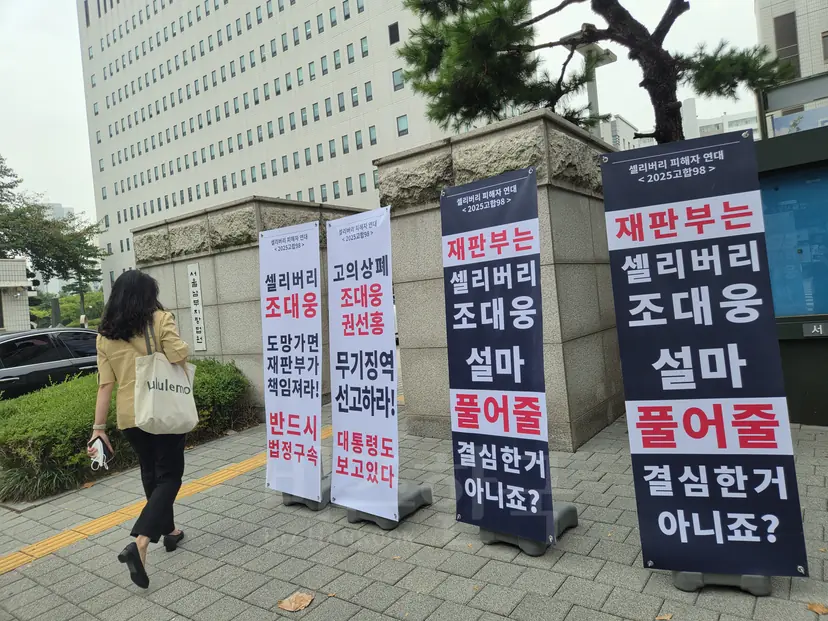
On the 20th, the 14th Criminal Division of the Seoul Southern District Court sentenced former Cellivery CEO Cho Dae-woong, who was indicted on charges of violating the Capital Markets Act (fraudulent and unfair trading), to 15 years in prison and a fine of 210 billion KRW, along with a forfeiture order of approximately 517.28 million KRW. Former Chief Financial Officer (CFO) Kwon Seon-hong, who was indicted as an accomplice, was sentenced to 5 years in prison and a fine of 110 billion KRW.
Compared to the prosecution’s demand in the final hearing last June—30 years in prison, a 250 billion KRW fine, and a 67.6 billion KRW forfeiture for the former CEO—the prison term handed down by the court today was half of what was requested, while the fine and forfeiture were reduced by 40 billion KRW and more than 67 billion KRW, respectively.
As the verdict was read, both former CEO Cho and former CFO Kwon, sitting in the defendants' dock, kept their heads bowed with grim expressions.
Commotion in the Gallery Before Trial... Court: "Please Cooperate for an Orderly Proceeding"
Tension filled the courtroom and its surroundings even before the sentencing began.
When more than 50 spectators arrived, the court kept some seats in the main courtroom vacant and moved shareholders to an overflow room, leading to a confrontation between some shareholders and court officials.
Immediately after opening the session, the court urged, "Security measures and control within the courtroom are for everyone's safety and an orderly trial process," adding, "Please follow instructions even if it causes some inconvenience."
Following this, the court proceeded with the sentencing while explaining the arguments of both sides, its judgment on the criminal facts, and the reasons for the sentencing in a solemn atmosphere.
Court: "Betrayed Trust in Special Listings and Shifted Burden," Punishes Severely
The court determined that this case was a serious crime that damaged trust in the information and capital markets, compromised transaction transparency, and inflicted unexpected pain on retail investors.
In particular, it emphasized that Cellivery was the "No. 1 growth-potential special listing company," which had its listing requirements eased based on its recognized technological prowess and growth potential.
The court pointed out, "Special listing companies are required to uphold a higher level of rule-following and responsible management as market participants." It further determined that while the Cellivery management publicly stated they were raising funds for new drug research and development (R&D) and clinical trials, they actually used the funds for other purposes, such as the acquisition of a cosmetics company, Ajin Clean.
After receiving a disclaimer of opinion from auditors, Cellivery faced a trading suspension and was ultimately delisted in June 2024, leaving retail shareholders with massive losses.
"I Was a Researcher and Didn't Know About Fund Execution" Excuse Rejected... Court: "You Were the Practical Planner and Approver"
During the trial, former CEO Cho strongly denied any criminal intent. His argument was that because he was focused on research, detailed fund execution was handled by working-level staff like the CFO, and he was not involved in the specific process of fund usage.
He also argued that at the time of issuing convertible bonds (CB), the acquisition of Ajin Clean was not yet finalized, so it was not disclosed, and that the company could have handled the acquisition with approximately 43.3 billion KRW in existing cash reserves.
However, the court did not accept these claims.
Based on seized emails and due diligence documents, the court determined that the company had been pursuing the acquisition of Ajin Clean and conducting valuation assessments even before initiating the new fundraising.
Furthermore, the court viewed Cho not just as a figure involved in research, but as the actual chief decision-maker who planned and pushed for the acquisition, noting that he personally directed the hiring of personnel for the new business and executed organizational restructuring.
The court stated, "At the time of the Ajin Clean acquisition, a significant portion of the cash reserves was restricted or tied up in financial products like short-term bonds, making it difficult to consider them funds immediately available for acquisition," rejecting the claim that the 43.3 billion KRW could have been used for the takeover.
The court recognized that 70 billion KRW raised from the market under the pretext of new drug development was used for the Ajin Clean acquisition, and scolded the former CEO for his attitude of trying to avoid criminal liability by shifting the blame to staff.
Former CEO Cho Dae-woong 'Grim' After Sentencing... Shareholders Express 'Regret'
Former CEO Cho had been standing trial without detention after being granted bail. However, as the court handed down a 15-year prison sentence today, it revoked his bail status.
During the sentencing, the court stated, "Bail was granted in July of last year, but because a prison sentence is being handed down today, the bail decision is revoked." Accordingly, the former CEO was taken into court custody immediately following the first-instance verdict.
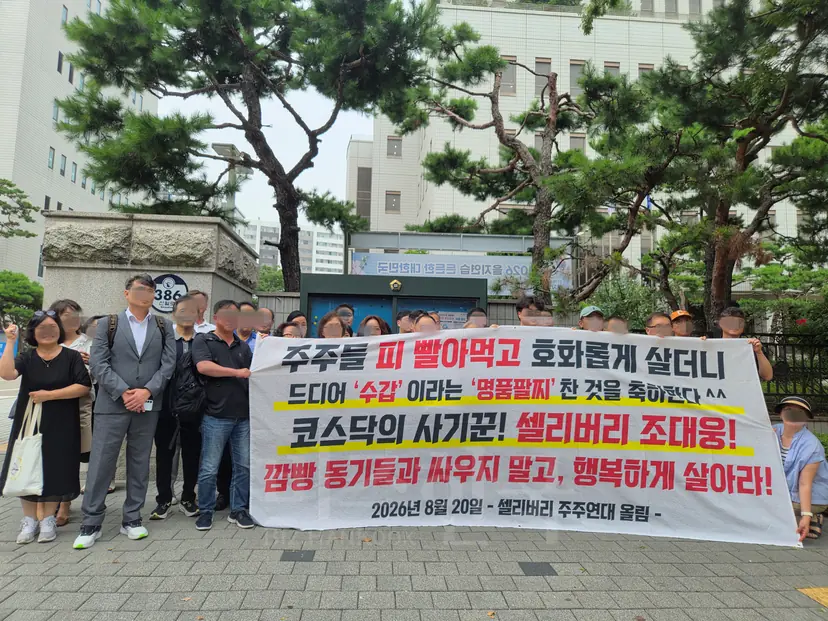
Immediately after the verdict, discussions around the courtroom reflected on the heavy sentence, while also expressing disappointment regarding the specific prison term and forfeiture amount. Some felt that compared to the prosecution's demand of 30 years, 15 years was relatively light. In particular, shareholders were disappointed that the forfeiture amount was significantly reduced from the 67.6 billion KRW requested by the prosecution to approximately 517.28 million KRW.
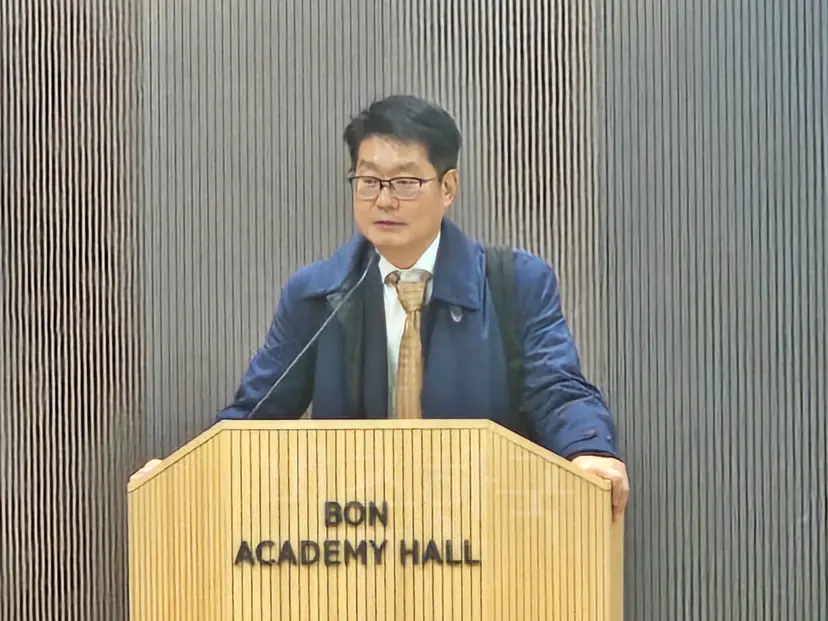
Yoon Joo-won, the head of the Cellivery shareholder coalition, shared his feelings after the sentencing, saying, "I was worried that the defendants might receive a light sentence," and added, "Although it is regrettable that the forfeiture amount was drastically reduced compared to the prosecution’s demand, I think the court reached a reasonable judgment after much deliberation."