

[BizHanKook] In an era where Artificial Intelligence (AI) even influences consumer purchasing decisions, how can companies maintain brand competitiveness? Choi Jang-soon, CEO of LMNT (Element Company), emphasized that in increasingly unpredictable business environments, it is crucial to protect a company's unique identity. He explained that companies must move beyond traditional branding—which focused on external consistency like logos and designs—and instead build 'being oneself' based on the history and actions the company has accumulated over time.
On the morning of the 29th, CEO Choi delivered a presentation on the topic of "The Era of Narrative Identity" at the 'BrandBiz Conference 2026' held at the Four Seasons Hotel Seoul in Jongno-gu, Seoul. LMNT is a branding consultancy that handles everything from corporate brand strategy and identity development to design and marketing.
The BrandBiz Conference has been held annually since 2017 and celebrated its 10th anniversary this year. The theme for this year was "THE NEXT ORIGINAL – How do brands become unique in an era where everyone is good at making things?"
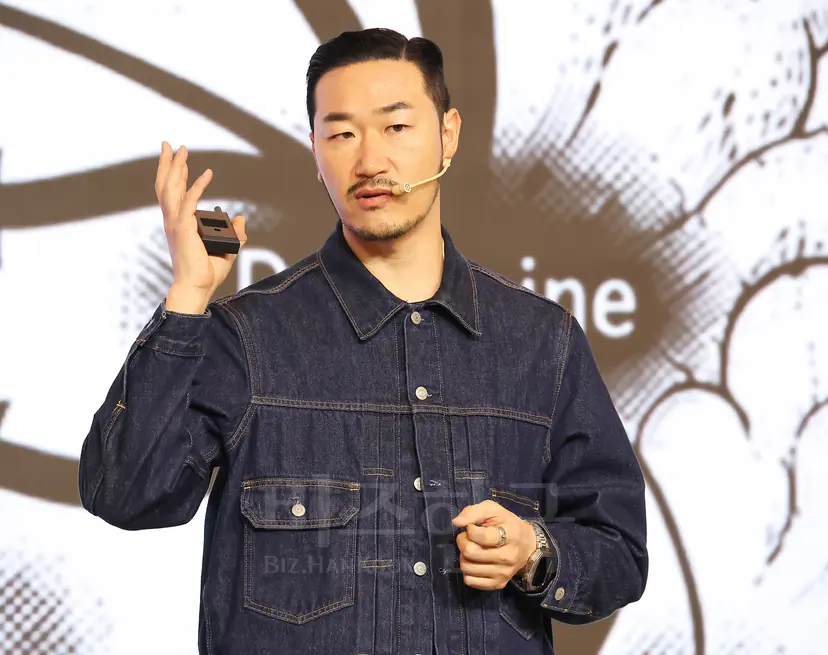
In the era of AI-driven purchasing decisions, will brands disappear?
CEO Choi diagnosed that with unpredictable events like the COVID-19 pandemic, wars, and the climate crisis, it is difficult to respond to rapidly changing market environments using only traditional mid-to-long-term management strategies. He emphasized the importance of identity as a standard for corporate decision-making, stating, "If prediction is impossible, the best business strategy is to practice surviving in the community in our own way."
This critical perspective also extends to the AI-driven consumer environment. As AI goes beyond simply comparing and recommending products to influencing consumer purchase decisions, traditional brand strategies are also being forced to change.
CEO Choi explained that in an environment where AI selects products on behalf of consumers, the influence of visual elements like logos may diminish. This is the background behind the speculation that the role of brands might vanish in the AI era.
However, CEO Choi believes the role of the brand will not disappear but rather evolve. He explained that "if you look at a brand from the traditional logo-centric perspective, it may look like an apocalypse because the logo is no longer visible," but from the perspective of narrative identity, brands are actually entering a phase of sophistication. 'Being oneself,' as emphasized by CEO Choi, is the unique identity maintained through the history, actions, and memories shared with customers over a long period, even if the company's business or appearance changes. For AI to recommend the right brand to a consumer, information regarding what values that company pursues and what promises it has kept will become critical.
To respond to these changes, CEO Choi presented the 'DART' branding framework. DART stands for Delegation, Automation, Reliability, and Trust. He explained that as tasks and choices are delegated to AI and various work processes such as content creation are automated, it becomes even more vital for companies to secure the reliability they have accumulated and the trust of their consumers.
He specifically emphasized that rather than a brand's name or appearance, what a company has promised and practiced in the past and the reputation it has built socially will become the key criteria for evaluating a brand.
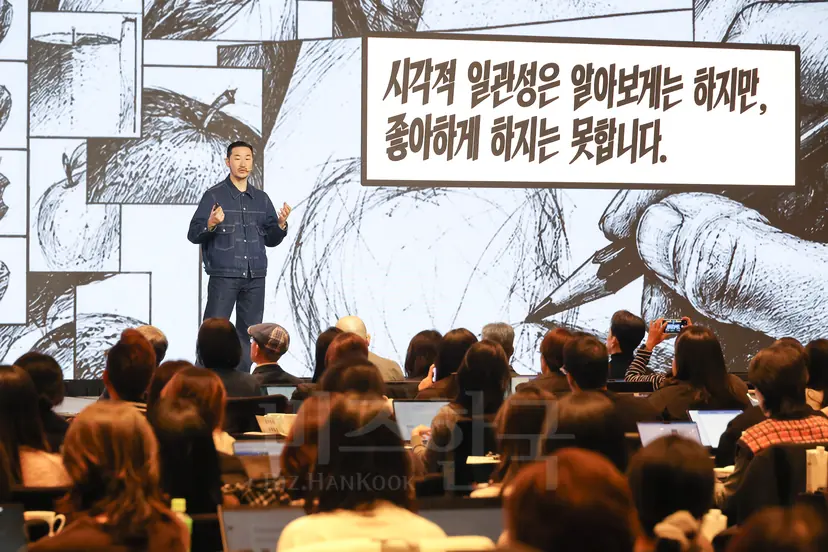
'Consistency of narrative' is more important than consistency of logos
CEO Choi pointed out that traditional branding has been overly focused on maintaining consistent logos, colors, and designs, stressing that forming a continuous relationship with consumers is what matters.
He distinguished between 'Wanting,' the desire of a consumer to possess a product, and 'Liking,' the actual feeling of affection. While visual consistency helps consumers recognize a brand, he noted that it has limitations in leading to sustained affinity for the brand.
CEO Choi diagnosed that while many brands have succeeded in stimulating consumers' desire to purchase, they have struggled to maintain long-term affinity and relationships. He emphasized that brands must go beyond simply delivering valuable stories and become the story itself.
The concept he proposed for this is narrative identity. It is the judgment that even if a company's business or external form changes, it can maintain the same identity through the stories and actions that connect the past, present, and future.
CEO Choi cited the example of Samsung. In the past, Samsung expanded its business scope from food products like sugar and noodles to high-tech industries like semiconductors and smartphones. He said, "The products and businesses they provide are completely different, but because of the narrative that the single entity called Samsung has woven within, we call all of these things Samsung."
He emphasized that a brand identity is not formed solely by a company's unilateral declaration. It must be supported by the community's memories and evaluations of what promises the company made and how it put them into practice.
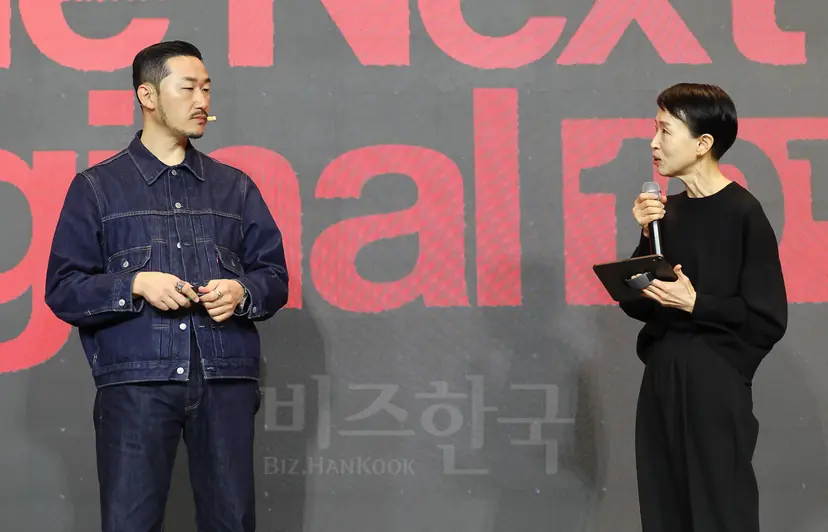
"What kind of possibilities does a brand open up for others?"
CEO Choi suggested four values that future brands should provide to customers and the community: Tools, Skills, Knowhow, and Discourse. His point is that brands should not stop at attracting consumer interest or selling products, but must provide the resources and capabilities people need to maintain and develop their own lives.
Along with this, he proposed three questions that brands should ask themselves: 'How do we look?', 'What kind of existence are we becoming?', and 'What kind of possibilities do we open up for others?'. He emphasized expanding the scope of identity beyond external consistency to include the history and actions the company has built, and further, the value provided to customers and the community.
In the Q&A session after his lecture, CEO Choi introduced his collaboration with LG Uplus as an example of connecting brand identity to actual management activities and action plans. Instead of simply changing the logo, they collected opinions from employees and stakeholders and established an action plan together for how the company should transform in the future.
CEO Choi said, "The work we do is not about packaging the shell, but about defining the direction of what kind of form a company should take and building a practical narrative that allows it to move forward toward that direction without wavering."
He also emphasized the importance of experiences and memories shared over a long period through the story of Odysseus, the protagonist of the recently popular film *Odyssey*. Just as Odysseus, upon returning home, proved his identity to his wife Penelope through memories only the two of them shared, brands are also recognized for their identity through experiences and memories accumulated together. CEO Choi emphasized, "Identity is approved by shared memories, and memories presuppose time."