

[비즈한국] Director Hur Jin-ho's film ‘The Assassin(s)’ has been invited to the Gala Presentations section of the 51st Toronto International Film Festival. A few years ago, the film ‘Smugglers’ was also invited to this category. This event draws large audiences who come specifically to watch the films; therefore, they select works that are not only artistic but also possess enough mass appeal to capture public interest. Including its official screenings, all 4,200 tickets available for ‘The Assassin(s)’ throughout the festival were sold out early. The local media outlet ‘NEXT Magazine’ praised it, stating, “It is one of the best films at this year's Toronto International Film Festival, featuring a perfect blend of action, plot twists, and mystery.” The film also earned a spot as a runner-up for the International People’s Choice Award.
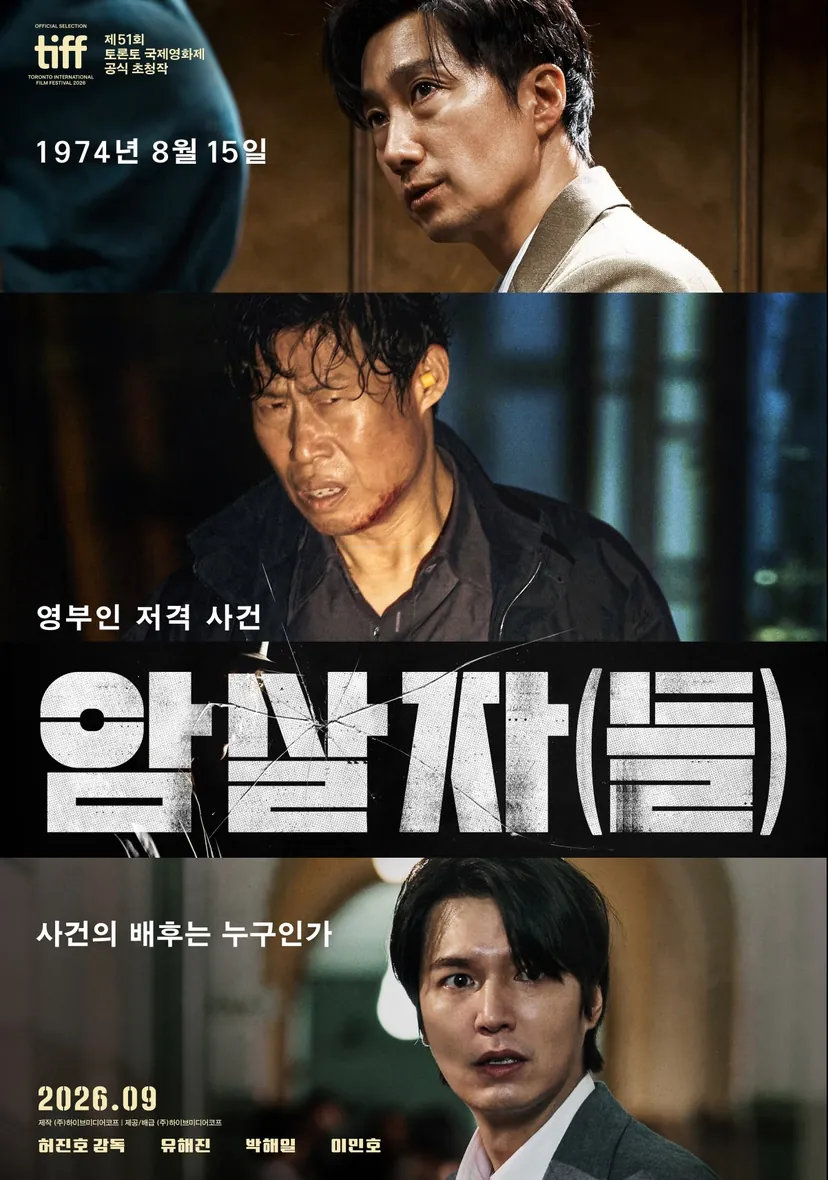
However, it did not initially attract much attention domestically. Only after the press previews did word-of-mouth begin to spread. There is a reason why it went unnoticed at first. Director Hur Jin-ho is primarily known for his romance and melodrama films, so he didn't have a strong standing in genre cinema. Furthermore, the fact that it dealt with modern history and had a title similar to the previous film ‘Assassination’ gave it a sense of déjà vu. The subject matter—the assassination attempt on First Lady Yuk Young-soo—could easily be perceived as politically dated. It is likely that the production team downplayed this aspect to avoid being associated with specific political factions, which in turn affected the initial level of interest.
Nevertheless, the film is currently ranked No. 1 in advance ticket sales as its popular narrative structure and direction, combined with its focus on fundamental values and historical principles, have gained traction. It shares commonalities with recent box-office hits such as ‘12.12: The Day’, ‘The Man Standing Next’, and ‘The King and the Archer’, in that it is based on real events. The foreign film ‘Odyssey’ also resonated with audiences because it was based on historical facts while stripping away mythical imagination.
These films share a common goal of upholding universal values. ‘12.12: The Day’ reawakened a sense of justice and fairness by showing public outrage and the historical judgment against those who seized power through a military coup. ‘The King and the Archer’ focused not only on the historical judgment of usurping power but also on the universal values of loyalty and humanism. ‘Odyssey’ encouraged reflection, self-examination, and the value of ‘xenia’ (respect for others).
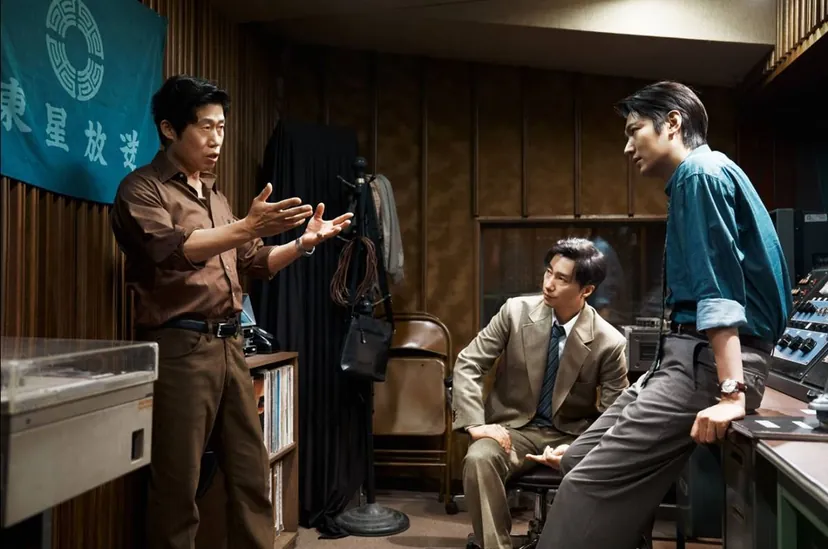
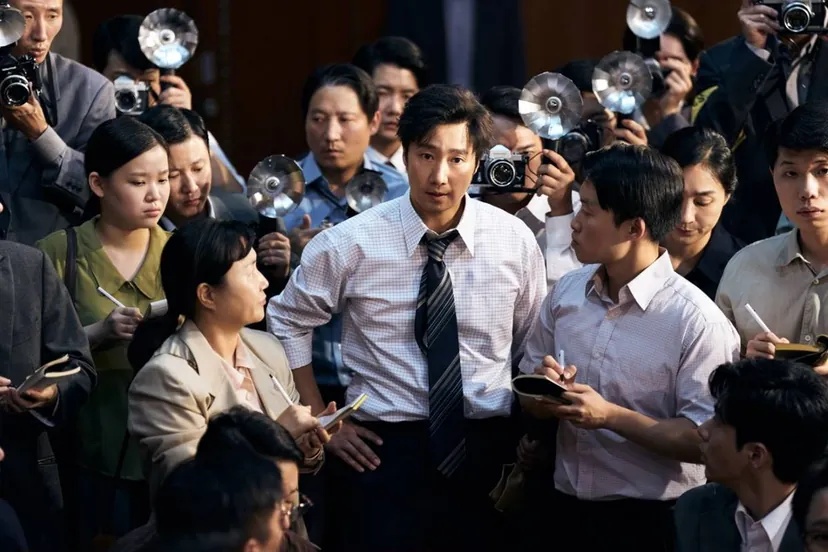
The film ‘The Assassin(s)’ emphasizes the universal principles of freedom of expression and the public's right to know. Set during a dictatorship that suppressed press freedom, the story follows a detective and reporters who seek the truth. Although the characters—detective Cheol-gu (Yoo Hae-jin), newspaper city desk editor Jae-hwan (Park Hae-il), and rookie reporter Young-il (Lee Min-ho)—are fictional, they dig into the mysteries surrounding the assassination attempt. As the parenthetical "(s)" in the title suggests, they struggle against oppression and control to uncover the truth, working under the premise that there could have been multiple assassins rather than just one.
The director summons not grand ideologies or values, but the conviction to reveal the facts. He particularly focuses on the reporters. In these times, when the term "giregi" (a derogatory term for trash-like journalists) is commonly used and journalistic integrity is fading, the film highlights how important the role of reporters who dig for the truth to the very end remains. This direction feels even more significant today, as provocative information and manipulated content cloud people’s judgment and cause confusion.
Today, if someone talks about journalistic spirit in the pursuit of truth and justice, many might sneer or pay little heed. However, it is easier to empathize with that spirit if it is framed within the context of the 1970s. Of course, there are still investigative journalists today, but if they were the majority, films like this might not stand out so much. In this context, the film issues a demand to the press and journalists: deliver the facts, verify the scene yourself, question power, and do not force conclusions. Perhaps this is because reality is moving in the opposite direction.
‘The Assassin(s)’ is also drawing attention as a case study for the K-content model. The production company is the same one behind ‘12.12: The Day’, ‘Inside Men’, and ‘The Man Standing Next’. This, too, is a factor that attracts public attention. From a K-content perspective, they are building another brand of modern history series. It is a welcome change to see this type of film gaining more attention during the Chuseok holiday than gambling-themed franchise series like ‘Tazza’.
While Disney+'s ‘Made in Korea’ also deals with modern Korean history, the story of an intelligence agency deputy director who raised political slush funds through drug production is hard to view with complete seriousness. It is dominated by abnormal, deviant relationships and settings, which is perhaps a limitation of OTT content. In contrast, ‘The Assassin(s)’, which emphasizes journalism, brings to light universal values, much like ‘April Snow’ or ‘Odyssey’, demonstrating what theatrical films should strive to be.
Audiences will find it difficult to look away whenever a new film in this modern history series is released. This is because the public's intellectual desire to understand the modern history of Korea—which has not been properly taught—lies deep within them like burning magma.
The author Kim Heon-sik has been wandering through or cutting a path through the forest of popular culture phenomena since his 20s, driven by the expectation that there is a way to make the world a better place through culture. He continues on the same path with the same belief in the 21st century, an era dominated by artificial intelligence and quantum computers.