

[비즈한국] Even the now-ubiquitous smartwatch wasn’t immediately accepted as an essential IT device. When the smartwatch market first opened in 2013 with the launch of the Galaxy Gear, the predecessor to Samsung’s Galaxy Watch, it was met with skepticism, with people questioning "why one would even need to buy it" or whether a "tiny screen could possibly replace a smartphone."
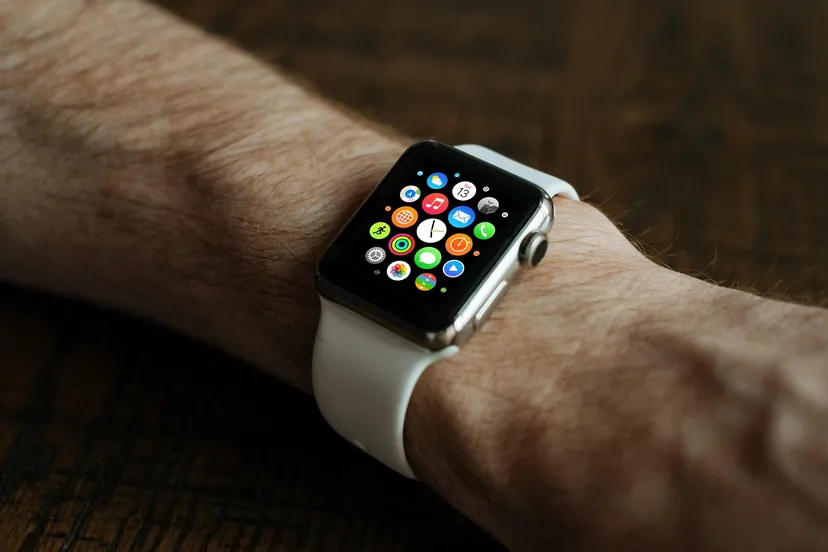
Two years later, the arrival of the first-generation Apple Watch and the hit success of the Gear S2—which featured vastly improved battery performance and standalone calling capabilities—marked the beginning of mass adoption. The turning point was driven by three factors: body-centric features that smartphones couldn't replicate, such as heart rate and sleep tracking; the convenience of "micro-interactions" to check notifications without pulling out a phone; and its utility as a fashion accessory. Wireless earphones followed a similar path. Their simple, undeniable convenience—the "freedom from wires"—changed how people move and exercise, allowing them to carve out a distinct market despite drawbacks like frequent charging and high prices.
This suggests that for a new type of device to move beyond the hands of early adopters and into the mainstream, it must offer a clear reason for use that outweighs its shortcomings. AI glasses are currently viewed as having failed to provide a clear answer to this question. Many of the features currently offered, such as photo/video recording, music playback, and voice assistants, can already be performed by a smartphone combined with wireless earphones. Opinions remain divided on whether these glasses offer enough of a "killer feature" to justify the burden of wearing a new form factor.
A 'Life-Changing Technology' for the Visually Impaired
Generative AI is what suggests a potential for change. With the advancement of multimodal AI capable of understanding both vision and audio simultaneously, smart glasses are evolving from simple recording devices into interfaces that interpret the surrounding environment.
Examples include requesting translations of foreign menus, pointing at unfamiliar objects to ask what they are, or having signs and notices read aloud. While the same tasks can be done with a smartphone, it requires a multi-step process of pulling out the device, launching the camera, framing the subject, and asking the question. With AI glasses, users can simply ask about the situation directly in front of them. The advantage lies in the user not having to manipulate a separate device.
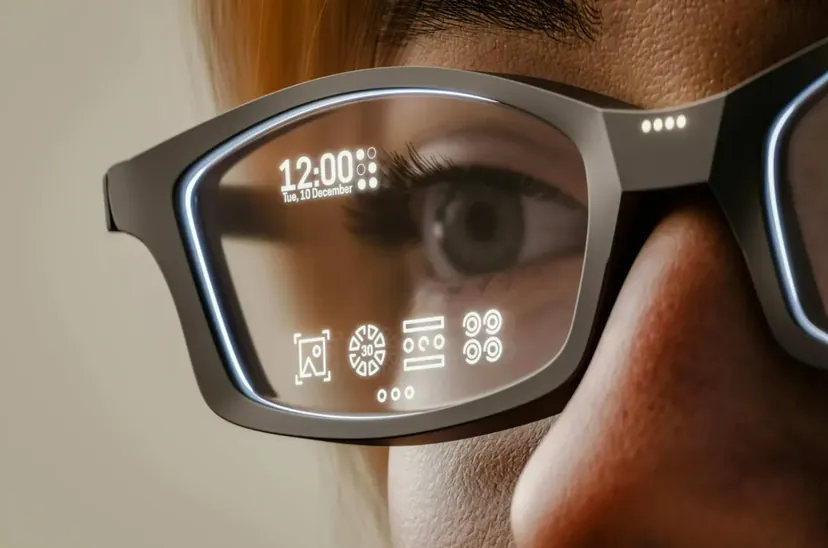
This shift is particularly evident in the field of accessibility. For the visually impaired or those with low vision, AI glasses represent something far more significant than just a "nice-to-have" gadget. The ability to describe surroundings or read text aloud goes beyond reducing the steps required to use a smartphone; it serves as an assistive tool that enhances independence in daily life.
Similar sentiments are echoed internationally. A visually impaired listener who appeared on the U.S. IT media outlet The Verge's podcast countered the skepticism surrounding visual assistance features, stating, "This isn't a 'solution looking for a problem'—this is technology that changed my life." While it may not be a necessary feature for every user, it can be an indispensable tool for specific users.
The key is how many consumers can be reached, and how often these "necessary moments" can be created. According to the IT outlet TechCrunch, it was reported that about 90% of buyers stopped using Meta’s previous model, Ray-Ban Stories, just seven months after its launch.
Tackling the 'Pervert Glasses' Stigma and Unauthorized Recording
Nevertheless, the physical and social limitations of a device worn on the face remain. Concerns regarding unauthorized recording have already flared up abroad. This year, the issue of privacy re-emerged as videos of people being secretly recorded by smart glasses began to circulate in the U.S. While Ray-Ban Meta was initially highlighted as the "smart glasses that didn't repeat the failures of Google Glass," recent cases of misuse have led to the resurgence of derogatory nicknames like "pervert glasses," signaling an expanding debate over social acceptance.
Smart glasses are in the paradoxical position of needing to be "visibly obvious" to reduce privacy concerns. The mere knowledge that a camera is embedded can trigger wariness and discomfort from others, who may wonder, "Is it recording me right now?"
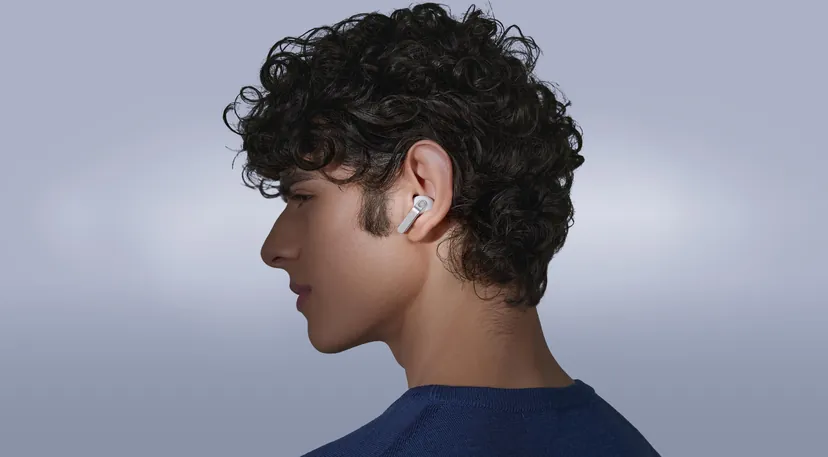
A study presented by University of Washington researchers at the international CHI conference this year pointed out: "Earphones have already been socially normalized, so the barrier to adoption is low. However, because they are visually innocuous, they make it difficult for bystanders to detect hidden cameras, failing to resolve the concerns of others."
Physical limitations also remain. Adding more features increases weight, heat generation, and battery consumption, while reducing them limits functionality. The challenge is to incorporate cameras, microphones, batteries, and AI processing power while keeping the device as light as regular glasses.
The next stage for AI glasses will likely involve them settling in as a third form factor that clearly complements specific areas, much like the smartwatch. The remaining task is to pass the much slower and more demanding test of social acceptance.
Hwang Yong-sik, a professor at Sejong University's School of Business, stated, "For these to be consistently accepted by users and for the market to expand, concerns regarding privacy and security must be addressed and resolved. No matter how advanced the technology is, it will inevitably fail if consumers do not adopt it."
Some suggest there is no need to view smart glasses solely through the lens of the B2C (business-to-consumer) market. Professor Hwang noted, "Approaching from a B2B (business-to-business) perspective by identifying practical use cases in industrial settings could also help diversify demand."