

[비즈한국] The grace period for the chicken weight labeling system is less than two weeks away from ending. Although the system was introduced to ensure consumer choice by providing weight information and to prevent consumer harm from weight reductions, it has been found that the display methods and locations vary by brand and delivery app, making it difficult to verify the information.
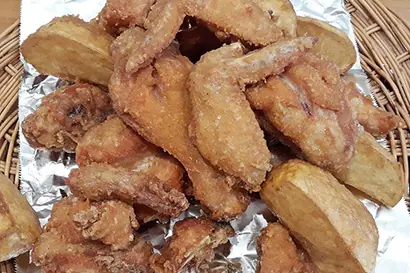
The chicken weight labeling system, implemented as a countermeasure against shrinkflation, requires major chicken franchises to display the pre-cooked total weight alongside the price on menus, online order screens, and delivery apps. It was implemented last December, with a grace period effective until June 30 of this year.
On the 16th, Bizhankook examined the state of weight labeling for 10 major chicken brands on Baedal Minjok, Yogiyo, and Coupang Eats, and found that while most companies were providing weight information, the methods and locations differed so much across brands and apps that it was difficult for consumers to compare prices and weights during the ordering process. Some brands even required separate, cumbersome steps to view the weight information.
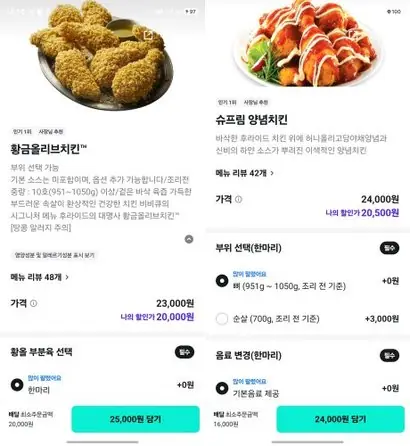
On Baedal Minjok, weight information was generally available in the menu description section. However, for some brands, consumers had to click on 'Store Info/Origin' on the main shop screen, or click 'View Nutritional and Allergen Information' after selecting a menu to view the weight on a separate page. Even within the same brand, there were cases where some outlets displayed the weight in the menu description while others did not.
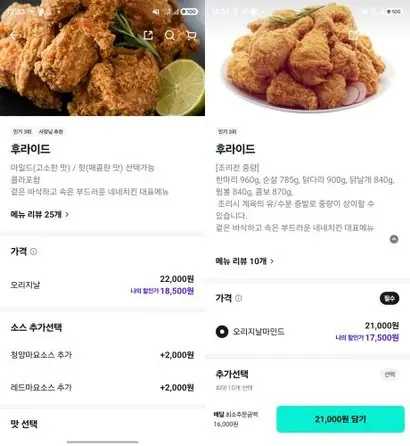
On Yogiyo, it was more common for consumers to go through additional steps rather than seeing the information directly on the order screen. While some brands included the weight in the menu description, the majority required clicking 'Store/Nutritional Info/Origin' to see it. In some cases, even after clicking 'Store/Nutritional Info/Origin', one had to navigate to a separate page created by the brand to find the weight information.
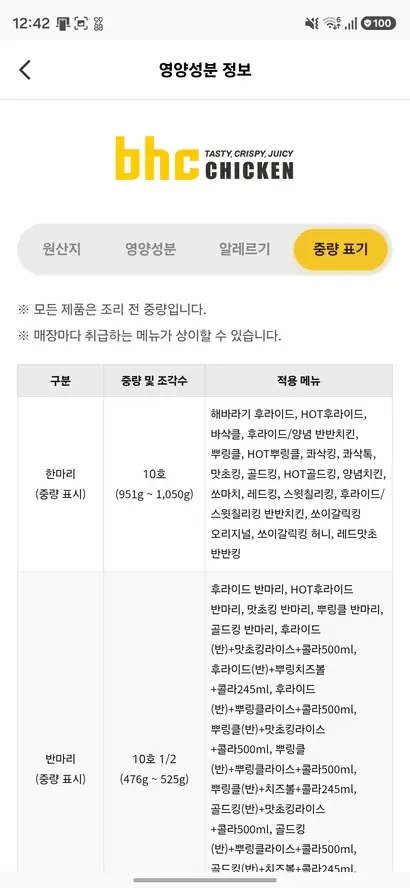
On Coupang Eats, many brands directed users to check the weight on their official websites via a link. In some stores, the weight labeling was not visible at all.
The lack of clear standards is behind the inconsistent display methods. In its 'Chicken Weight Labeling Manual,' the Ministry of Food and Drug Safety advises that the weight should be displayed in the 'Store Info' or 'Menu Info' sections within the delivery apps. While it provided general principles, it lacked detailed standards on where and how the weight should be shown on the actual app screens.
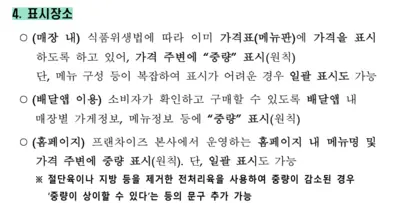
Consumer advocacy groups are also calling for improvements. The Korea National Council of Consumer Organizations stated in a press release last month, "A consumer-friendly way to provide information must be established so that weight information within delivery apps can be intuitively checked and compared while the consumer is selecting or purchasing chicken."
The industry also suggests that there was confusion due to the lack of clear standards. An official in the chicken industry remarked, "When the system was introduced, there were instructions to specify the size or grams of the chicken, but I know there was a lot of talk because there were no clear standards for the location or method of display. We eventually held internal meetings and set our own company standards."
Even if weight information is available through an app or a separate process, the purpose of the system is undermined if it is too difficult for consumers to check during the ordering process. For the system to be properly established, not only the act of labeling the weight but also the consistency of where consumers can find that information needs to be addressed.
Meanwhile, the Ministry of Food and Drug Safety stated, "Each company is displaying the information according to their own circumstances, such as brand advertising design, menu composition, and raw meat supply methods, in line with the manual provided last December." They added, "We recognize that consumers may experience inconvenience due to unstandardized display criteria, and we are continuously monitoring the situation so the system can settle in well, and we will consider improvements if necessary."