

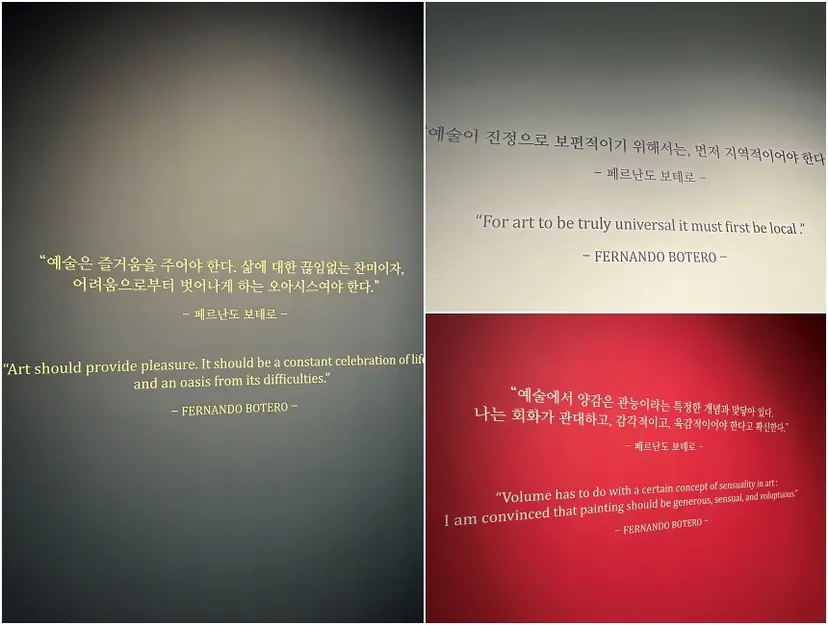
[비즈한국] “Art should provide pleasure. It should be a constant tribute to life, an oasis that allows us to escape from difficulties.”
I went to see the Fernando Botero exhibition. He is a Colombian master and one of the most representative figures of 20th-century Latin American art. Perhaps because it is a large-scale retrospective consisting of 112 works spanning from the time his signature style—known as ‘Boterismo’—was established to his later years, it was quite crowded. What stood out was that the expressions of the many people there were generally bright. That’s understandable, as Botero’s work is not difficult. It means there is no need to be overly serious about art.
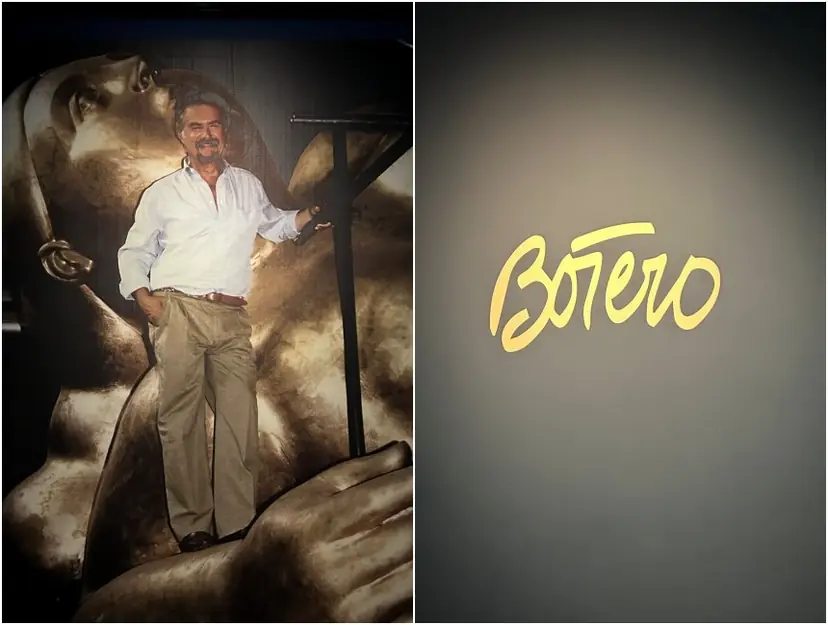
The most prominent feature of Botero’s work is volume. In his works, everything that is alive seems to be inflated like a balloon. Botero, who held the firm belief that “volume in art is closely related to the specific concept of sensuality,” created his own unique style by giving the subjects of his works an almost bursting volume. Looking at the figures filling the canvas, one feels richness, warmth, and at the same time, a strange sense of liberation. This feels even more poignant when you hear the docent’s explanation that a young child who came to see the exhibition shouted “Mom!” upon seeing one of Botero’s works, leaving them feeling stumped. Perhaps the child, too, discovered not just the volume of their mother, but her generosity within the artwork?
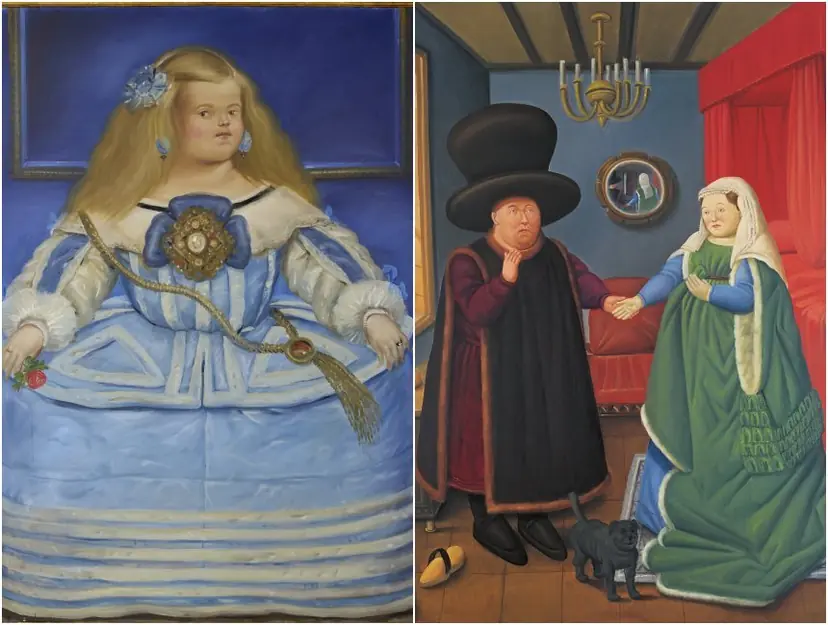
This exhibition, which compresses a 60-year artistic journey into 112 pieces, is composed of 6 sections. The first section, ‘Variations,’ is particularly appealing, as it shows Botero deeply exploring the paintings of classical masters like Velázquez and Goya, and reinterpreting them in his own way. Famous works well-known to us, such as Jan van Eyck’s ‘The Arnolfini Portrait’ or Diego Velázquez’s ‘Infanta Margarita Teresa in a Blue Dress,’ bring smiles to our faces with Botero’s added imagination and touch.
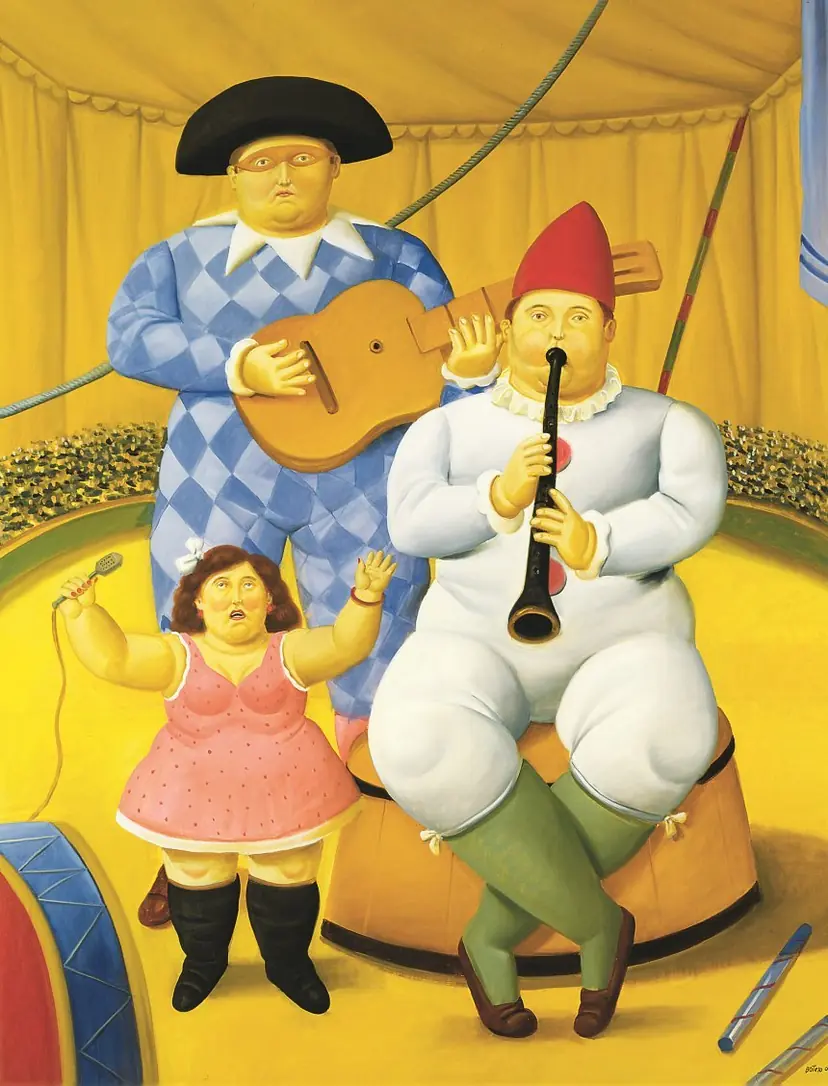
As Botero said, “To be truly universal, art must first be local,” the ‘Latin America’ section, where you can feel the essence of his roots, is intriguing. The ‘Religion’ section, which reinterprets religious images such as the Virgin Mary, saints, and bishops—prevalent in the Catholic-dominated South America—with his signature volume and color, is both playful and bold. The composition is solid, guiding you through the trajectory of Botero’s life and the thoughts he held, including the ‘Still Life’ section that makes you look at familiar objects in an unfamiliar way, the ‘Bullfighting’ section inspired by his youth at a bullfighting school, and the ‘Circus’ section which reveals a deep sense of humor and humanity.
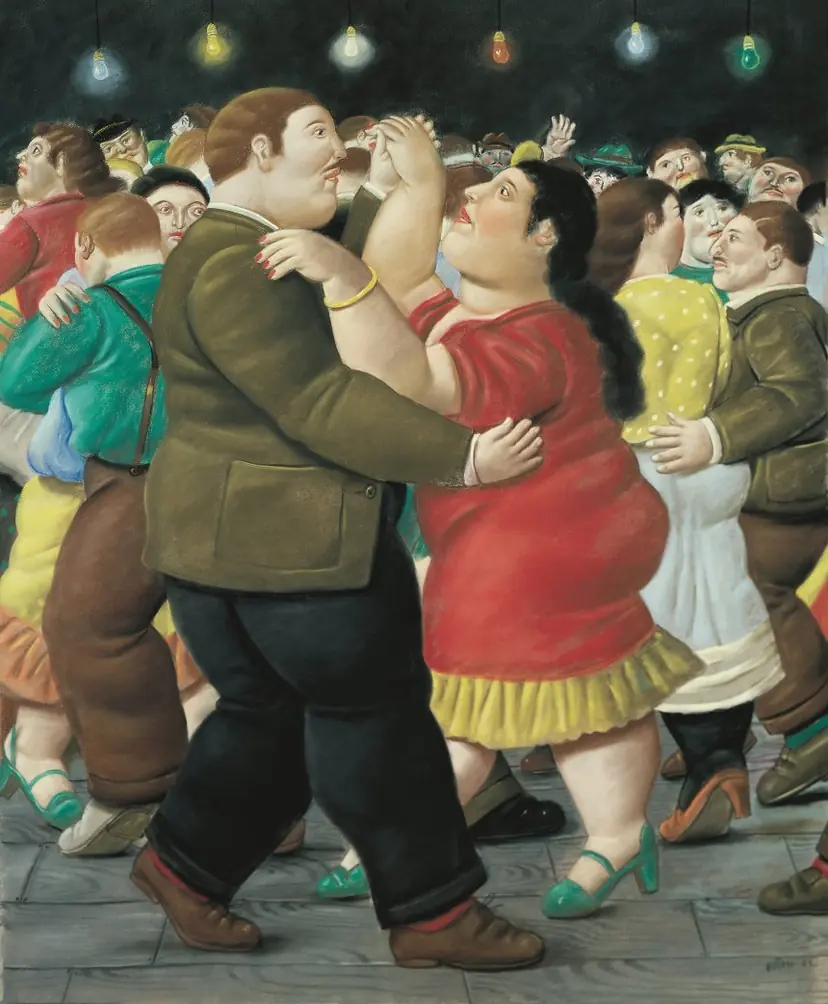
Whenever people called him ‘a painter who only paints fat people,’ Botero reportedly replied, “They aren’t fat; I am expressing the sensual feel of people and objects. I like that fullness and generosity. Reality is quite dry, after all.” In fact, while his works might seem cheerful and fun, his own life had quite a few dry, difficult curves. He lost his father at a young age and faced harsh criticism even after becoming a painter. He lost his four-year-old son in a car accident, in which Botero also severely injured his hand. Your perspective might change if you look at the painting of his young son—revealed for the first time in this exhibition—after listening to the docent’s explanation.
There are also works that reveal his identity as someone from Medellín, Colombia—a city once tainted by the image of drug cartels—such as the painting depicting the death of the biggest drug lord, ‘The Death of Pablo Escobar.’ Botero reportedly donated the masterpieces he collected throughout his life and his own works to a museum founded in his hometown, on the condition that it be free and open to everyone. The artist’s earnest desire to provide at least a small amount of joy through art to those living in a dry reality also helped change the image of Medellín, once called the most dangerous city in the world.
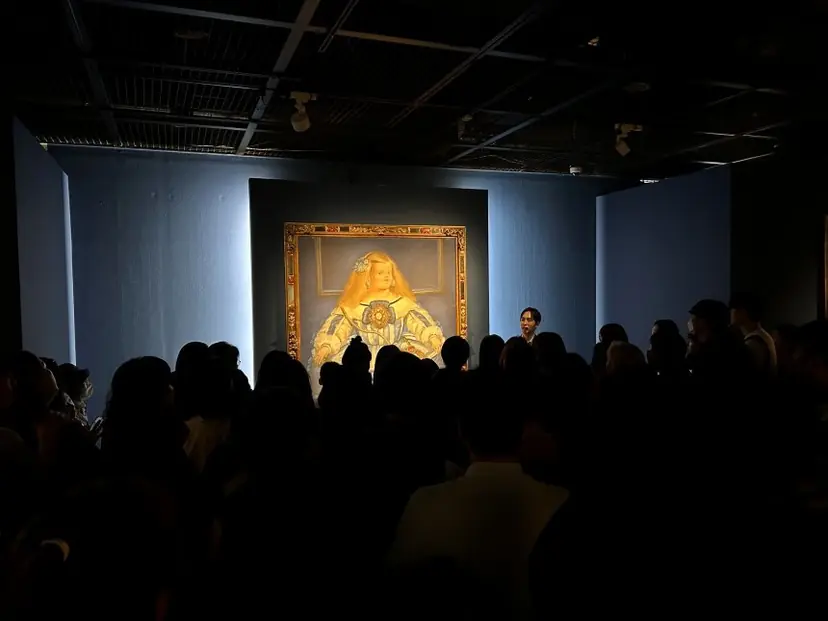
While you can simply appreciate the Botero exhibition as you feel, the more you know, the more you see, and the more information you have, the more exciting the experience becomes. Both the audio guide and the docent commentary, which takes place twice a day on weekdays, are highly recommended. As it is a popular exhibition, the gallery gets crowded during docent tours, but it is well worth listening to. If you are planning to visit with young children on the weekend, you might also consider booking ‘Thinking Museum-Kids Atelier,’ a customized art education program that allows them to experience related art activities alongside the exhibition.
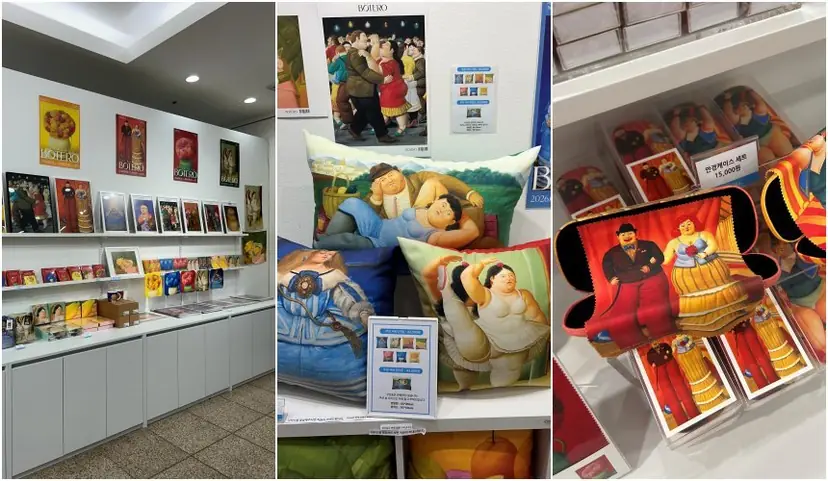
A visit to the art shop after viewing the exhibition is a must. Since humor and pleasant colors are dominant, the goods in the art shop are quite rich. Various postcards, notebooks, keyrings, and magnets wait for you to open your wallet. If you are an eyeglass wearer, the eyeglass case set with its vivid colors will be especially tempting.
‘Fernando Botero: The Aesthetics of Form’ is running until August 30 at the Hangaram Design Museum of the Seoul Arts Center. It is an opportunity to encounter an oasis-like vitality in your dry daily life.
![[Have You Been There?] Damien Hirst and Tino Sehgal Exhibitions: 'Whether You're Uncomfortable or Not'](https://s.bizhankook.com/attachments_thumb/2026/05/98633_thumb.webp)
![[Have You Been There?] "Until the Joy of Living Becomes Your Taste…" The Edit 10th Anniversary Pop-up Store](https://s.bizhankook.com/attachments/2026/07/12b52a23bfaf_49adb774.jpg)
![[Have You Been There?] Let Your Fandom Delight Your Ears at 'Audeum'](https://s.bizhankook.com/attachments/2026/07/0213677cba05_3085135b.jpg)
![[Have You Been There?] Joyful Laughter Amidst a Dry Reality! 'Fernando Botero: The Aesthetics of Form'](https://s.bizhankook.com/attachments/2026/07/2cf805024d8b_a292260c.jpg)
![[Have you been there?] Go to 'Muju', a place even Park Bo-gum has fallen in love with, right now.](https://s.bizhankook.com/attachments_thumb/2026/06/106475_thumb_243baea0.webp)
![[Have You Been There?] The Reason We Still Head to Gangneung](https://s.bizhankook.com/attachments_webp_no_wm/2026/07/134469_no_wm_2744cc66.webp)