

[비즈한국] The global pharmaceutical and biotech industry is buzzing over the bright future of cell therapies that promise complete cures with a single administration. However, the wall of commercialization—turning a profit in the market—is higher than overcoming technical hurdles to receive approval for a new drug. This is because it is difficult to escape the burdens of strict regulatory oversight, the limitations of a narrow non-reimbursable market, and a fragile supply chain for consumables. We take a sober look at the reality of commercialization faced by the cell therapy industry.
The bottleneck of cell therapy innovation is not just inside the lab. While CAR-T therapies and stem cell treatments are gaining attention as next-generation biotechnologies that promise a cure with one dose, basic consumables like disposable plastic bags, cell culture media, and cryopreservation solutions are emerging as even greater variables in the actual commercialization field.
Because global suppliers dominate the market, domestic companies have no choice but to follow their pricing and lead times, and even if they try to change raw materials, they must overcome regulatory hurdles. In short, the future of advanced therapies unexpectedly hinges on a single plastic bag or a bottle of media.
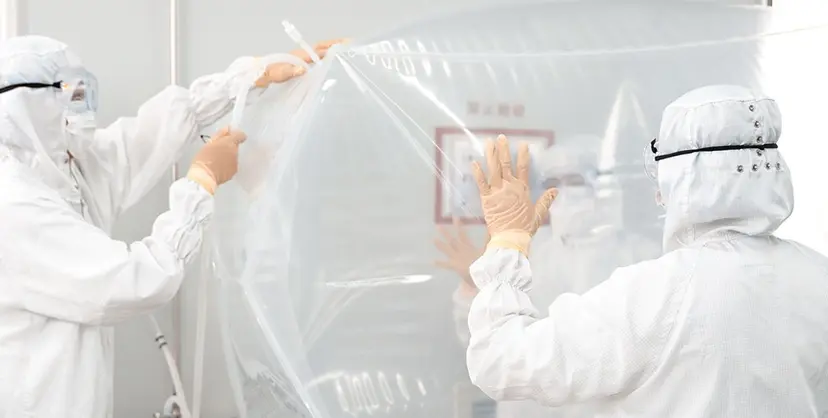
Global Suppliers are the 'Superiors'
For cell therapies, a 'single-use' process—utilizing disposable plastic bags instead of traditional stainless steel bioreactors—is essential to prevent cross-contamination. Cell culture media containing nutrients necessary for cell proliferation, viral vectors that play the role of transferring genes designed to attack cancer cells into T-cells in CAR-T therapy, and cryopreservation solutions that freeze cells to allow for delivery to hospitals where patients are located, are all essential raw materials that play a core role in the development and production of cell therapies.
However, this field is dominated by massive global companies like Thermo Fisher, Cytiva, and Lonza. Domestic cell therapy developers, as well as CDMO (Contract Development and Manufacturing Organization) companies, are in a subordinate position, forced to accept the prices and delivery schedules dictated by global suppliers. It is common for them to wait months even after placing orders as a client.
This is because the domestic market size is too small, and the purchasing power of these companies is insufficient to negotiate with global giants in the materials, parts, and equipment (so-bu-jang) sector. While the global cell therapy market is estimated at 8 to 12 trillion won annually, the domestic market is around 130 billion won, representing a mere 1.5% of the global market. An industry official bitterly acknowledged the reality of domestic firms, saying, "For global companies, Korea is not a big market, so we are in a position where we have to follow their lead."
Added to this, the supply of raw materials such as naphtha, which is necessary for manufacturing specialized plastic bags, has fluctuated due to changes in U.S. tariff policies and the crisis in the Middle East, increasing the burden. Although companies are preemptively stockpiling inventory to mitigate supply chain shock, there is a prevailing view that it is difficult to guarantee how long they can hold out.
Furthermore, because cell therapies must be produced at all costs for patients with life-threatening conditions like cancer—even if the cost of consumables skyrockets or supply is delayed—the rise in costs can directly lead to a burden on patients.
A GC Cell official stated, "We have secured inventory according to a typical 6-month shelf life to prepare for contingencies, so there is no immediate problem," but added, "If the situation becomes prolonged, the problem of consumable supply will grow, but in the end, the treatment must go to the patient no matter what. It is a desperate situation where we have to produce it regardless of how much the costs soar."
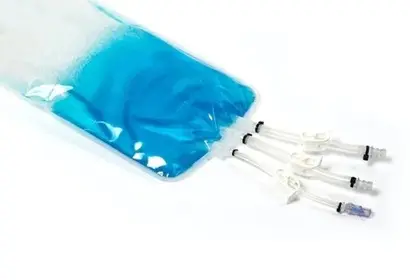
Changing Equipment Also Requires Approval
Changing raw materials is not easy either. Because the characteristics and efficacy of the final cell product can change if the media that serves as food for the cells or the plastic container that comes into contact with the cells is altered, the process of receiving change approval from regulatory authorities such as the Ministry of Food and Drug Safety must be repeated. The drain on time and money is inevitable.
In fact, there are many cases where companies struggled to cross the hurdles set by regulatory authorities after changing processes or raw materials. The stem cell therapy 'Remestemcel-L' from the Australian bio-company Mesoblast is a prime example. Ahead of its 2019 application for product approval for the treatment of pediatric steroid-refractory acute graft-versus-host disease (SR-aGVHD) to the U.S. FDA, Mesoblast changed its cell culture conditions and processes. Because it could not prove that the subsequently produced therapy was functionally equivalent to the drug that had already completed clinical trials, its FDA application was rejected (CRL) twice, in October 2020 and August 2023. Ultimately, it only received approval in December 2024. Commercialization was delayed by more than four years due to what seemed like a minor change in the culture environment.
Such regulatory hurdles also act as obstacles to the growth of domestic materials, parts, and equipment companies. Although domestic firms producing global-level disposable bioreactors and cell culture media, such as MicroDigital and Excel Therapeutics, have emerged, it is not easy to localize materials because they used products from global companies in the initial development stage. This leads to criticism that they lack a 'track record' (commercialization history). Despite having price competitiveness, it is not easy for companies to adopt domestic products due to concerns about regulatory risk.
An industry official said, "Changing even one type of media involves immense cost issues," adding, "We are recently in discussions with regulatory authorities to simplify the approval process when changing media."
Cell therapy has emerged as a game changer that will transform the next-generation biotech industry, but the fragility of the materials, parts, and equipment supply chain is cited as a hidden fuse that holds back commercialization. To build a healthy K-bio ecosystem, it is now a time when securing manufacturing sovereignty and a self-reliant supply chain—capable of reliably sourcing everything from cell culture media to a single plastic bag—is just as crucial as strengthening R&D capabilities.