

[비즈한국] "I'm too busy right now to talk. I apologize."
At 11:00 AM on the 18th, a community service center in Jung-gu, Seoul. The employee guiding citizens at the high oil price damage subsidy application desk answered the reporter briefly before immediately heading to another resident. Although three center staff members were handling applications and personnel from the Seoul Senior Job Center were also assisting with form completion, the waiting line barely shortened.
Residents holding waiting numbers continued to line up in front of the counter. As most were elderly individuals over 60, staff had to explain not only the registration process but also how to fill out the forms and the submission procedures one by one. The area around the counter was so busy that it was difficult to initiate further conversation.
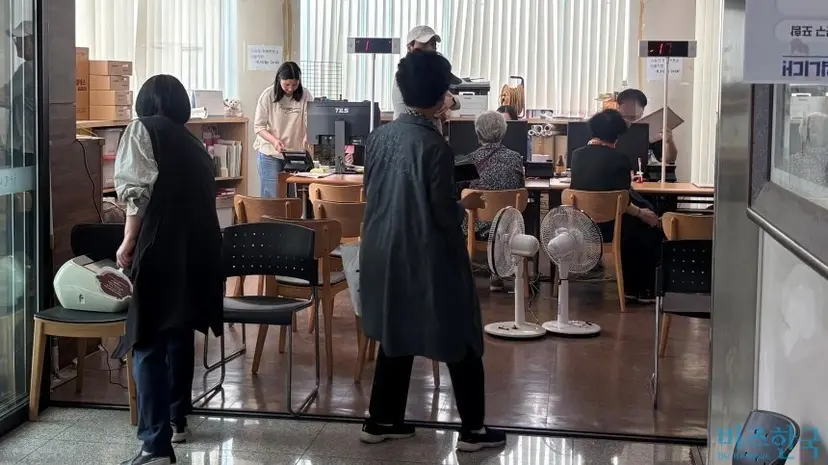
Local government officials, who have long complained of being overworked due to support tasks during every election season, are even busier this year as they take on the in-person application process for the high oil price damage subsidies. The workload at frontline community service centers has increased significantly with existing civil complaints, election preparations, and subsidy application guidance all piling up at once, yet there are no notable countermeasures.
According to the Ministry of Personnel Management, among the 395 public officials who died in the line of duty over the five-year period from 2020 to 2024, 139, or 35.2%, died from cerebrovascular and cardiovascular diseases. These conditions are considered representative illnesses influenced by long working hours and job stress.
The situation was similar at a community service center in Guro-gu, Seoul. Upon entering the center, the ticket dispenser and waiting area were the first things to catch the eye. A separate area for those applying for the high oil price damage subsidy had been set up. Three center staff were accepting applications at the counter, while another three were guiding waiting residents around the area.
A community service center employee, identified as A, stated, "The waiting room was so full in the morning that it was packed. Since many elderly people visit, there are many cases where we have to guide them through everything from filling out the application to the submission method."
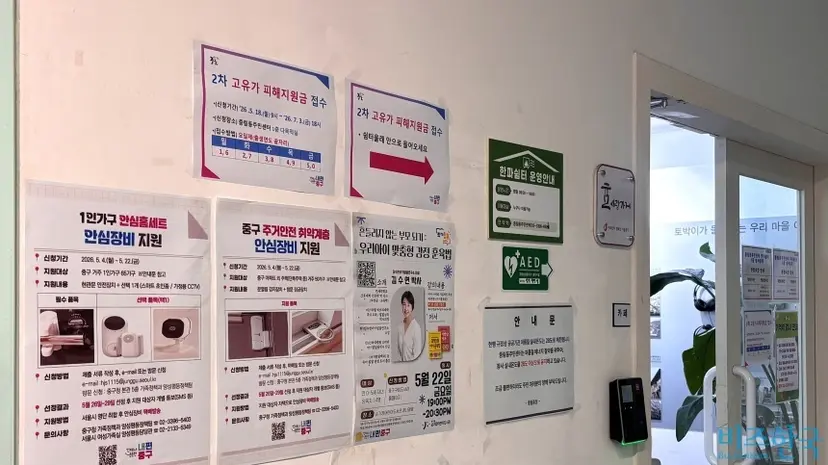
The problem is that they must handle new administrative tasks alongside existing civil complaints simultaneously. Local government officials working at community service centers are generally responsible for tasks such as resident registration, moving-in reports, and issuing various certificates. In this situation, the workload has become excessive as they also have to take on the intake of high oil price damage subsidies. In particular, since many elderly people who are not accustomed to online applications visit the center in person, the burden of responding to applicants and handling phone inquiries is added on.
On top of this, with local elections just around the corner, community service centers are now forced to handle election-related affairs as well. Every election season, public officials are mobilized for tasks such as compiling voter lists, mailing out campaign materials, supporting early and main voting, and managing the vote count. Ahead of the local elections on June 3, a significant number of officials at each Administrative Welfare Center are expected to be tasked with election duties following cooperation requests from the National Election Commission. Since regular civil complaint work continues throughout the work day, some election tasks, such as compiling voter lists, are often handled after work or on weekends.
A public official B working at a community service center said, "We are handling existing work by working overtime or taking turns with other staff. I've even heard that in other nearby districts, because subsidy tasks are so concentrated, they can barely do anything else."
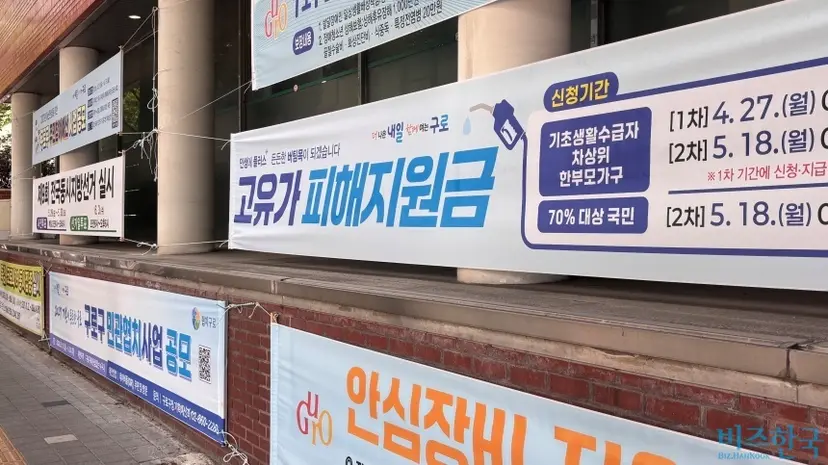
The second round of applications for the high oil price damage subsidy continues until July 3. Early voting for the local elections is scheduled from the 29th to the 30th, with the main vote on June 3. This means that the in-person application period for subsidies and the election preparation period overlap significantly. Community service centers must simultaneously set up subsidy application desks and election office spaces, and must split their staff between the two.
An official from the Seoul Headquarters of the Korean Government Employees' Union stated, "Since they have to do both election tasks and subsidy disbursement tasks, the burden on the front lines is bound to be immense. We conveyed our opinion that even if online applications are accepted, in-person applications should be postponed until after the election, but there have been no significant changes yet." The official added, "Once in-person applications begin, it's not just visits to the community center that increase, but phone inquiries and appeals also surge. If early voting and subsidy applications overlap in earnest, on-site confusion could worsen."
The union official noted, "While some personnel support is being provided based on the size of the neighborhood, it is usually only two or three people, which is insufficient to handle the load. The situation with space varies for each community service center, and for older or smaller facilities, even finding a place to conduct election duties and subsidy intakes at the same time is not easy."
The Ministry of the Interior and Safety has stated that it will review a plan to receive high oil price subsidies online from the 29th to the 4th of next month, but whether it will be implemented has not yet been decided.