

[비즈한국] The government will announce the criteria for the second round of high oil price relief payments on the 11th. Similar to last year's livelihood recovery consumer vouchers, the recipients are expected to be selected based on health insurance premiums, but the eligibility has been narrowed from the bottom 90% of income earners to the bottom 70%. Consequently, some households that received consumer vouchers last year may be excluded from the high oil price relief fund this time.
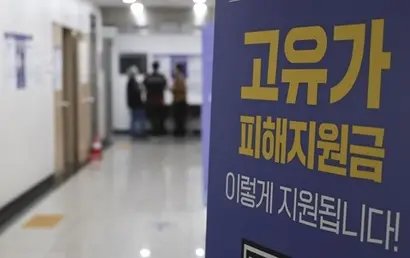
High Oil Price Relief Fund: Eligibility Narrower Than Consumer Vouchers
According to the Ministry of the Interior and Safety on the 10th, the government will disclose the eligibility criteria and application method for the second round of high oil price relief funds on the 11th. The recipients of the second round are the bottom 70% of income earners who did not apply for or receive the first round of payments. Basic livelihood security recipients, the near-poverty class, and single-parent families who already received the first round are not eligible for duplicate applications. Applications open on the 18th and the deadline is July 3. Applications can be submitted online via credit card companies, local currency apps, or websites, or offline by visiting community centers or bank branches.
The amount for the second round of high oil price relief payments varies by region of residence. Residents in the metropolitan area will receive 100,000 won per person, while non-metropolitan residents will receive 150,000 won. Residents in priority support areas within regions experiencing population decline are eligible for 200,000 won, and those in special support areas will receive 250,000 won. Payment can be received via local currency, credit/debit cards, or prepaid cards. The usage period for the relief fund ends on August 31, 2026.
Through detailed guidelines on the 11th, the government is expected to present the combined health insurance premium payment thresholds by household size and the income cutoff for the bottom 70%. Tax assessment standards for property and financial income thresholds to exclude households possessing high-value financial assets or real estate are also expected to be released.
Previously, Minister of the Interior and Safety Yoon Ho-jung stated, "We will select the bottom 70% of the population based on health insurance premiums, while preparing and announcing criteria in May to exclude high-asset individuals even if they meet the premium threshold."
The second round of relief funds has similar usage locations to last year's livelihood recovery consumer vouchers. They can mainly be used at small business stores with annual revenue of 3 billion won or less within the applicant's place of residence (metropolitan cities and cities/counties) and at stores affiliated with local currency programs. Usage at large hypermarkets, department stores, online shopping malls, and entertainment/gambling establishments is restricted.
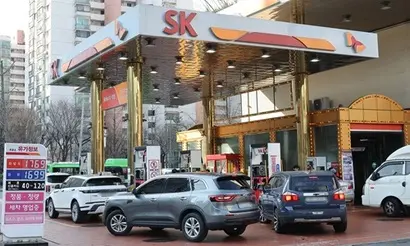
However, there is a difference in the criteria for gas stations. While last year's consumer vouchers were restricted based on the gas station's annual revenue, this relief fund can be used at any gas station within the resident's jurisdiction regardless of the annual revenue, reflecting the policy's objective.
Concerns Over Health Insurance Premium Time Lag; "Appeals Process to be Operated"
The government is reportedly applying the same health insurance premium-based selection method used for the second round of consumer vouchers last year. Some raise concerns about the time lag in reflecting health insurance premiums. While premiums are convenient for rapid selection, they have the limitation of not immediately reflecting real-time income changes.
Even during the distribution of consumer vouchers last year, there was criticism regarding the gap between actual income and the selection data based on premiums from 2023. At that time, a total of 168,000 appeals were filed, 25,000 (15.1%) of which were related to health insurance premium adjustments.
As the 2024 health insurance premium criteria are expected to be used for these relief funds, concerns persist that similar controversies over fairness may arise. Critics point out that people who have recently experienced business closures, unemployment, or income loss are highly likely to be judged by criteria that do not reflect their current financial reality.
The government intends to address this through an appeals process. The appeals period runs from May 18 to July 17. The Ministry of the Interior and Safety stated, "We will carefully consider individual circumstances, such as births after the criteria date (March 30), returns from overseas, unemployment, or changes in income, to ensure that citizens in need are not excluded from the relief payments."