

[비즈한국] There are many analyses that the younger generation, Generation Z, places high value on experiences. K-culture and K-content fans visit Korea to experience this sense of authenticity. With the rise of mobile-based non-face-to-face content and social media "proof shot" culture, the desire for experiential activities has intensified. This has become a part of daily life following the COVID-19 pandemic. In particular, the tourism consumption effect driven by fandoms is a classic example of this.
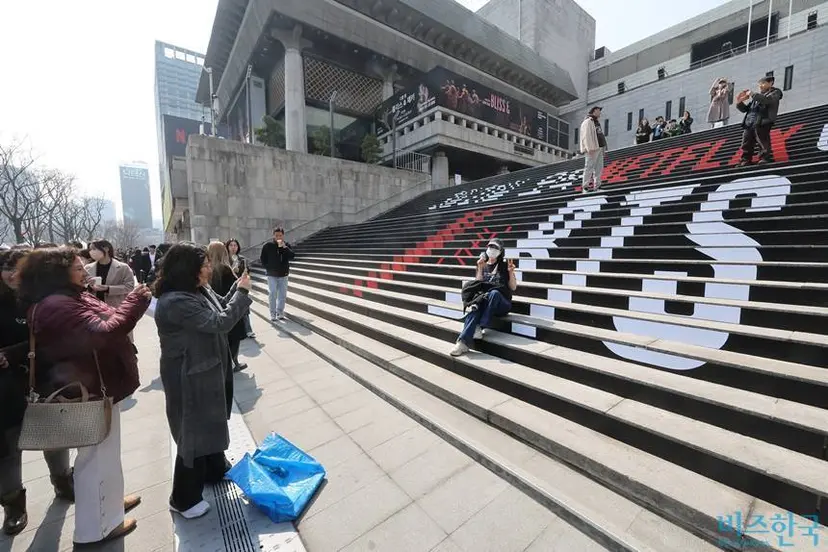
The increase in tourism and consumption in Korea caused by K-culture and K-content is a case where concepts traditionally considered negative in social psychology and communication theory have worked positively. For instance, the Halo Effect is a phenomenon where everything about a person one likes appears favorable. If a viewer likes a male protagonist in a Korean drama, their affinity for all Korean men increases. This leads to them visiting the locations featured in the drama in person.
An extension of this psychology is the echo chamber effect. Much like an echo, people with similar beliefs gather to exchange information, which causes their existing perspectives to become increasingly reinforced and amplified. This aligns with the fandom effect. Within a fandom, there is bound to be a sound amplification effect. Beliefs or convictions regarding K-content or K-pop are further strengthened within related communities.
The same applies to the filter bubble, selective attention, and confirmation bias. Consumers with "fan hearts" want to obtain only positive information about the object of their affection. They have no desire to find negative information, and even if they encounter it, they tend to filter it out themselves. They then seek to visit Korea in person to experience it, confirming that their choices based on their belief and trust were correct.
The media or YouTubers often expose the behind-the-scenes or private lives of stars, pointing out moral or ethical flaws. However, such attempts often invite backlash from fans and, ironically, become a factor that unites the fandom. This happens on a global scale. In fact, supporting a star or artist can be seen as an act of loving the fans themselves, rather than just the individual. Criticizing a star or artist is perceived as an attack on or a violation of the fans. K-pop fandoms have exceptionally strong faith and trust in their artists. This extends to cheering for and supporting Korea itself. If Korea were to be separated from the artists, the phenomenon of visiting Korea for tourism and consumption would likely not occur.
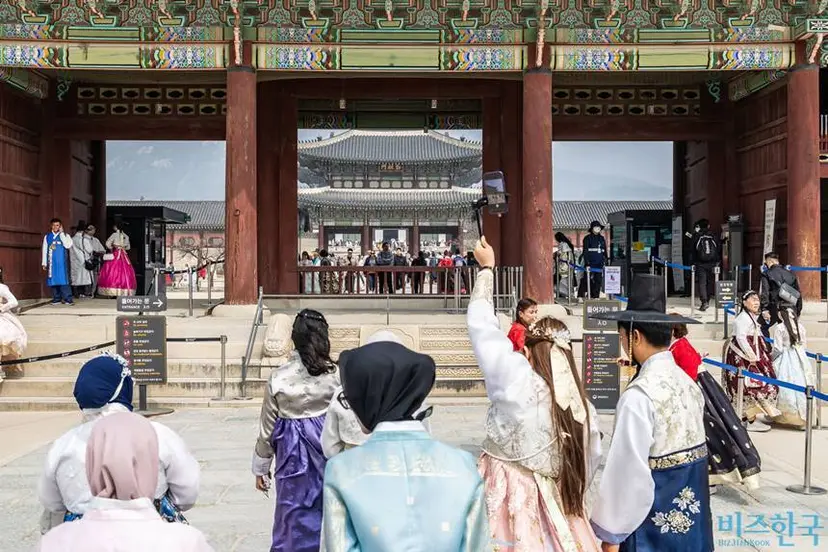
Currently, K-culture and K-content fans receive almost no special treatment when they come to Korea. One cannot find a single welcoming message for Hallyu fans at Incheon International Airport. There are no K-culture or K-content related theme parks or spaces on Yeongjong Island, the gateway for entry. N Seoul Tower admission is not discounted for Hallyu content fans. Taxi fares in Gangwon-do are not lowered for BTS fans. There are no "fan services" offered to K-pop fans who take photos in front of idol agency buildings.
When fans arrive in Korea, the home of K-pop and K-culture, they are not provided with specialized information or content enjoyment. While some might consider this natural, things need to change if we want to boost consumption through the strengthening and expansion of fan sentiments. As it stands, fans are fortunate if they are not subjected to price gouging.
The Hallyu phenomenon is a fandom culture created by products and services in the private sector. Although it started in the private sector, it has now become a national brand. Therefore, it is time for the government to implement service policies specifically for them. Because, as they expand their reach, they influence not only tourism but also the economy of general consumer goods. According to the Korea Economic Research Institute, the economic effect of Hallyu over the past five years (2017–2021) was 37 trillion won, creating 160,000 jobs. Out of the 13.2 trillion won in total value-added, 3.3 trillion won was generated through increased cultural content exports, and 9.9 trillion won was generated through increased consumer goods exports. We must make Korea a country that K-pop and K-culture fans want to revisit.
The author, Kim Heon-sik, has been walking through or navigating the forest of pop culture phenomena since his 20s, with the expectation that there is a way to make the world a better place through culture. In the 21st century, where artificial intelligence and quantum computers are active, he continues on the same path with the same belief.