

[비즈한국] Samsung and LG have strengthened vehicle operation restrictions at their domestic workplaces. As the government decided to implement a 2-day rotation system for public institution vehicles and a 5-day rotation system for public parking lots operated by public institutions starting April 8, private conglomerates are also expanding voluntary energy conservation measures.
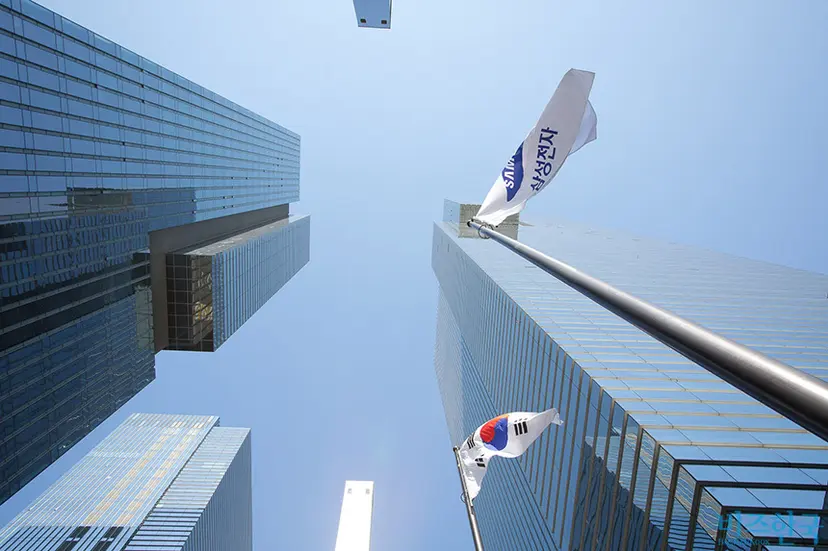
Samsung decided to voluntarily implement a 5-day vehicle rotation system across all domestic workplaces starting on the 8th and encourage employee participation. Samsung had been operating a 10-day rotation system since March 25, but strengthened it in line with the government's announcement of energy demand restraint measures. The 5-day rotation system restricts vehicle operation by day of the week based on the last digit of the license plate. Electric vehicles, hydrogen vehicles, vehicles for the disabled, and vehicles carrying pregnant women or infants are exempt.
Along with the 5-day rotation, Samsung plans to continue existing energy-saving measures in parallel. The company will continue its energy-saving activities at workplaces, such as keeping non-essential area lights off, closing unused parking spaces on holidays, powering off PCs and monitors when leaving work, and cutting standby power for experimental equipment. Samsung stated, “We will step by step expand measures to increase energy efficiency and align with government energy-saving policies.”
LG also introduced a 5-day vehicle rotation system for all domestic affiliate workplaces starting on the 6th. LG had been implementing a 10-day rotation system since March 27, and strengthened these measures in about ten days. LG had previously stated that it would consider expanding implementation based on economic conditions such as rising oil prices, and this time it switched to a 5-day rotation. Eco-friendly vehicles such as electric cars and vehicles carrying disabled persons, pregnant women, or preschoolers are excluded from the application.
LG is also pursuing energy efficiency measures at its workplaces alongside vehicle operation restrictions. It has applied an automatic light-off system at major workplaces such as the LG Twin Towers and operates shuttle buses along main commuting routes. LG Electronics066570 monitors workplace energy usage in real-time, and LG Display034220 is operating a company-wide energy conservation organization to improve facility efficiency and minimize standby power consumption.
The background of these measures lies in the government's strengthening of energy demand management. As the government raised the oil supply security crisis alert to “Alert,” it decided to strengthen the passenger car rotation system for public institutions from a 5-day system to a 2-day system starting April 8, and apply a 5-day rotation system to approximately 30,000 paid public parking lots operated by public institutions nationwide. While maintaining a voluntary participation framework for the private sector, the restriction on public parking access effectively broadens the scope of participation.
Energy-saving measures by major corporations are not limited to Samsung and LG. SK Group has been implementing a 5-day vehicle rotation system at all domestic workplaces since March 30, and Hyundai Motor Group005380 also expanded its 5-day vehicle rotation, which was initially centered on the headquarters of Hyundai Motor and Kia000270, to all its affiliates at the end of March. Lotte Group has also begun recommending a 5-day rotation for personal and business vehicles and the use of flexible work systems. It appears that the government’s public sector measures are impacting the workplace operation methods of private corporations.