

[비즈한국] Uncertainty in the Middle East has emerged as a new variable for the domestic construction and ready-mix concrete industries. As oil and naphtha prices have soared following the war involving Iran, the burden of ready-mix concrete production costs and transportation fees has increased. Negotiations between the construction and ready-mix industries over price hikes in the Seoul metropolitan area have been deadlocked for two months. While both sides agree on the necessity of an increase, they remain at odds over the scale and timing of the adjustment.
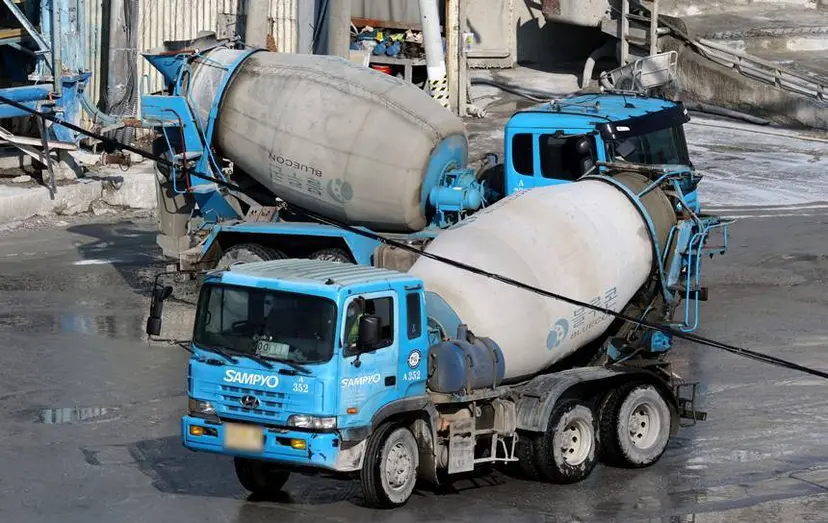
According to the construction and ready-mix concrete industries, both sides held their 7th round of negotiations on the 31st of last month to adjust prices in the metropolitan area. The current price (specification 25-27-150) is 95,500 won per cubic meter (㎥). It is reported that the ready-mix industry proposed an increase of 5,600 won (5.9%) per ㎥, while the construction industry pushed back with a proposal of only 2,400 won (2.5%), which is less than half that amount. Both sides began negotiations in early February, just before the outbreak of the U.S.-Iran war, and have been locked in a tug-of-war for two months. The 7th negotiation also concluded without finding common ground.
The ready-mix industry demands a price hike due to rising production costs. With shipping routes blocked due to the U.S.-Iran war, Middle Eastern crude oil prices have nearly tripled from $58 per barrel (Bbl) at the beginning of the year to $169 in March. Naphtha, derived from refining crude oil, reached $1,241 per metric ton (MT) on the 1st, more than double its price at the start of the year. Ready-mix concrete is made by mixing cement, aggregate, water, and admixtures, and the main raw material for admixtures is ethylene, produced from naphtha. The industry is facing the combined pressure of rising manufacturing costs due to the surge in naphtha prices and increased transportation costs from higher oil prices.
Recent price cuts and declining shipments are also behind the demands for an increase. According to the ready-mix industry, the preliminary shipment volume for last year was 93 million ㎥, a 19% drop from the previous year and the lowest level since 1998, just after the IMF crisis. Due to the construction slump, shipments have been declining for four consecutive years from 145.91 million ㎥ in 2021. The industries had previously lowered ready-mix prices by 2,300 won per ㎥ in March of last year. Now, the burden of rising costs has hit an industry already suffering from falling demand and price cuts.
An official from the ready-mix industry said, "The combination of a poor market environment, high oil prices, and supply shortages of admixtures has created a structure where losses accumulate the more we produce. For admixtures, concrete plants only store a 2-3 day supply, so any interruption in procurement causes immediate problems. If the current situation continues, we will face production disruptions starting from mid-April to early May." He added, "Given the risk of bankruptcy for small-sized companies struggling with management, prices must be raised to a reasonable level to protect the ready-mix supply chain."
The construction industry also acknowledges that a price hike is inevitable. However, they argue that it is too early to reflect the cost-push factors from the Middle East. For this reason, they proposed an increase of 2,400 won, matching the level of last year's reduction. A construction industry official said, "While there are certainly factors driving up oil and admixture prices, they have not yet been directly reflected in current ready-mix production. According to checks with ready-mix and admixture manufacturers, there are no problems with production through April, so the claim that a supply crisis will hit in two weeks is exaggerated."
Higher ready-mix prices will inevitably increase construction cost burdens. Since the construction industry has agreed to the concept of an increase, the price is likely to rise by 2,400 to 5,600 won per ㎥. In the process of reflecting these costs in construction budgets, developers may face conflicts with clients or housing associations, or, for projects already underway, construction companies might have to absorb the costs entirely due to special clauses limiting construction cost increases. However, since ready-mix concrete typically accounts for about 10% of total housing project costs, the direct financial impact is expected to be limited.
The construction industry is in no position to bear the full burden of these costs. The construction cost index, which measures price fluctuations at work sites, hit an all-time high for six consecutive months, reaching 133.69 in February this year. The Construction Business Survey Index (CBSI), which represents the economic sentiment of construction firms, also fell to 62.5, the lowest since the index was revised in May 2024. With high costs and a frozen market, it is difficult for construction firms to readily absorb the increase in ready-mix prices.
Kim Seung-jun, a researcher at Hana Securities, analyzed, "Most building materials are sourced domestically, but if the operating rates of domestic chemical plants fall, disruptions in material production could occur. In addition to the cost burden from rising building material prices, difficulty in securing materials could lead to construction delays. While construction delays during the initial structural phase can be made up for later, delays during the finishing stages can lead to disputes over liquidated damages and PF debt assumption."