

[비즈한국] The consumption of 'antiques' is spreading among the 2030 generation. Unlike retro, which simply recreates old vibes, this trend involves actively seeking out and experiencing objects and lifestyles that bear the actual marks of time. From knitting and mugwort moxibustion to exploring antique art districts, past lifestyles are being reinterpreted as new tastes.
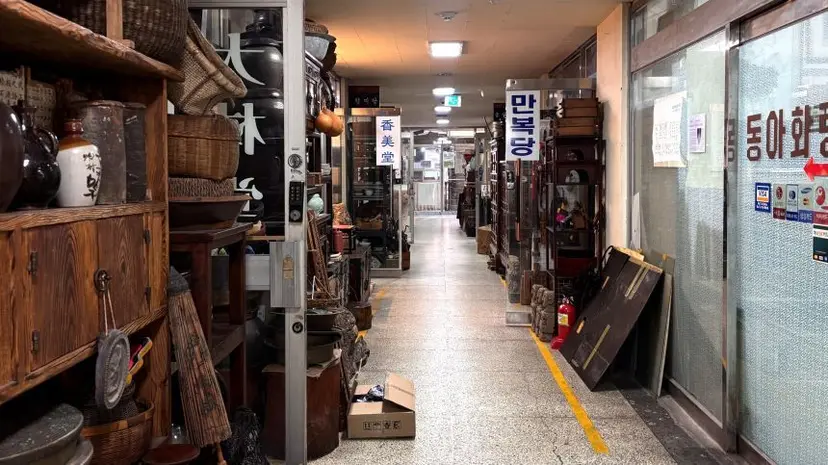
On the 18th, I visited the Dapsimni Antique Art Market in Dongdaemun-gu, Seoul. Young visitors were seen walking through the narrow corridors between the densely packed shops. Many were spotted closely examining old wooden furniture and ceramics, taking photos, and chatting with shop owners to ask about the production dates of the items.
Formed in the 1980s by the gathering of antique art specialty shops, this market has recently gone viral among Gen Z via Instagram and YouTube. Last month, its monthly Naver035420 search volume reached 6,710, a more than tenfold increase compared to February of last year (525).
"In the past, foreign customers from Japan or Europe were the majority, but these days, people in their 20s are more common," said A, who has been selling antiques here for over 30 years. "In the last month or two, the number of young visitors has noticeably increased, and many of them actually make purchases." He added, "They seem drawn to the fact that these are genuine old items, and the pricing, ranging from 5,000 won to hundreds of thousands of won, makes them easily accessible."
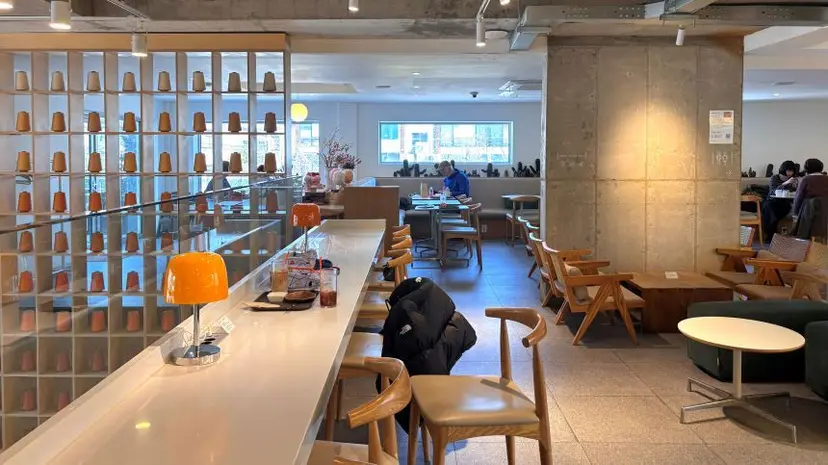
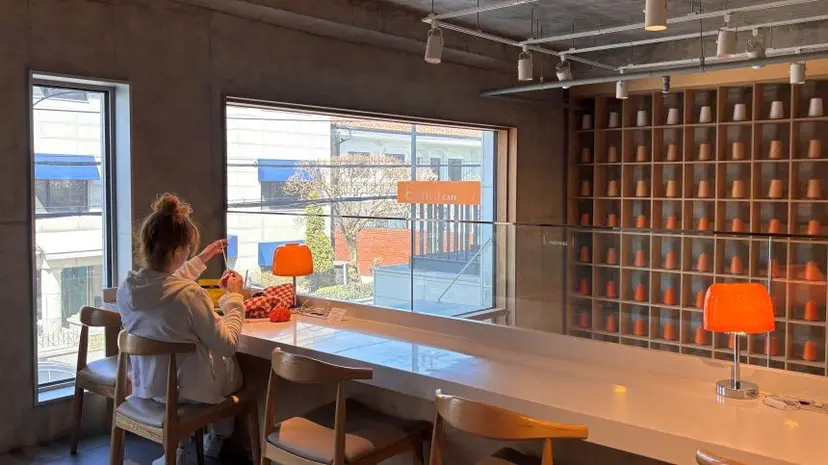
Knitting cafes have also been maintaining steady popularity, with a sharp influx of new young customers starting last year. When I visited a knitting cafe in Seodaemun-gu, Seoul, on the 18th, there was even a notice posted limiting usage to 3 hours, as visitors flock to the shop in such numbers that seats are scarce on weekends and during school breaks.
A cafe representative stated, "There are times when all seats are full on weekends or during vacation periods. These days, there are many young visitors, mainly college students, so more than half of our customers are in their 20s." Another employee explained, "Demand exploded starting last year. We see a natural influx of customers because many people come to knit gifts for their partners or start because of a friend's recommendation."
Cafe visitors ranged from those who brought their parents to those spending quiet time alone. Customers were seen concentrating on their work at their own pace, while others enjoyed knitting together while chatting. B (25), who says they enjoy knitting, shared, "I started because I was bored when alone, but it was more fun than I thought, so I keep doing it. I joined a club through Carrot Market and visit cafes often as well."
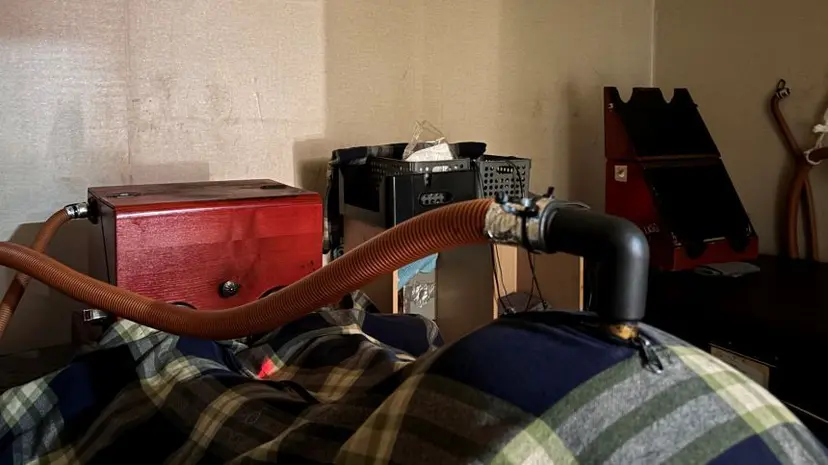
There is also growing interest in mugwort moxibustion, a traditional health care method. Mugwort moxibustion is a traditional thermal therapy that uses the heat and smoke generated by burning mugwort, known to help blood circulation by delivering heat, mainly to the abdomen or acupuncture points.
According to Naver Data Lab, the search volume for 'mugwort moxibustion' among people in their 20s and 30s reached its peak (100) last month. This is an approximately 5.7-fold increase compared to the same month last year, showing that a traditional health care method once considered the exclusive domain of the middle-aged is spreading rapidly among the younger generation.
C (65), who runs a mugwort moxibustion room in Songpa-gu, Seoul, said, "In the past, customers were mostly people in their 50s or couples seeking fertility treatment, but recently, young customers have increased to account for about 30% of the total. They visit for various purposes such as fatigue relief, health management, and beauty, and weekend reservations fill up quickly."
This trend is different from the existing retro craze. If retro is a modern recreation of old vibes, antique is differentiated in that it involves consuming objects and lifestyles that have actually accumulated the marks of time. This is why there is a noticeable tendency to seek out places that retain the texture of daily life, like the Dapsimni Antique Art Market, rather than tourist-heavy spaces.
Experts analyze that as the 2030 generation feels fatigued by image-centered, rapid-fire consumption, they seek dense experiences through objects and lifestyles that bear the marks of time. It is a movement to escape a life centered on efficiency and speed to regain stability and analog senses, especially among generations accustomed to digital environments who feel the resulting fatigue more acutely.
Han Da-hye, a researcher at the Trend Korea Consumer Trend Analysis Center, explained, "We live in an age where AI and digital technology can replicate anything quickly, but because of this, people feel greater value in things that have accumulated long periods of time and 'authentic' items that retain the sense of human touch." Han added, "There is a clear tendency to seek emotional stability and differentiated tastes in objects or lifestyles that bear the marks of time. With the addition of 'anemoia'—nostalgia for a past one has not personally experienced—the phenomenon of discovering both comfort and individuality in old things has become prominent."
The antique consumption trend is expected to continue for some time. However, analysts suggest that rather than solidifying into a mainstream consumer culture, it is more likely to become a recurring taste code for certain consumer groups amid digital fatigue and contemporary anxiety.