

[비즈한국] Daewoong Pharmaceutical069620 has been sanctioned by the Ministry of Food and Drug Safety (MFDS) for failing to comply with administrative procedures during a clinical trial aimed at expanding the indications for its domestically developed 36th new drug, 'Enavogliflozin (product name: Enblo)'.

According to the Drug Safety Portal on the 4th, the MFDS suspended Daewoong Pharmaceutical's clinical trial operations for one month (February 4 to March 3) on the grounds that the company conducted a clinical trial for DWP16001 without obtaining approval for a change in the clinical trial plan.
The title of the clinical trial is 'A multicenter, randomized, double-blind, placebo-controlled study to evaluate the efficacy and safety of DWP16001 as an add-on therapy to insulin with or without antihyperglycemic agents in patients with type 2 diabetes mellitus.' DWP16001 is the development code for Enblo, a type 2 diabetes drug approved by the MFDS in November 2022. Daewoong Pharmaceutical is conducting various clinical trials to expand the indications for Enblo. Regarding this clinical trial, Daewoong Pharmaceutical received approval for a phase 3 trial plan from the MFDS in November 2022 and obtained the results report in February 2025.
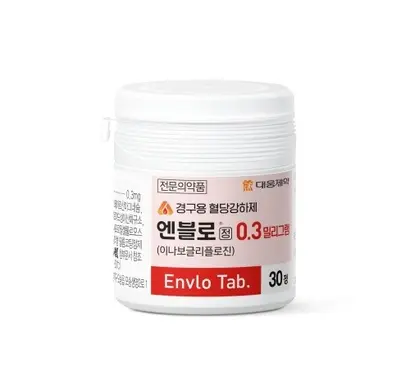
Daewoong Pharmaceutical explained that this was a simple administrative procedural issue and did not involve any safety concerns. A Daewoong Pharmaceutical official stated, "We were sanctioned for not reporting the change of the secondary packaging site for the investigational drug to the MFDS in advance," adding, "This was identified during an on-site inspection conducted after the clinical trial ended, and it is not a matter where issues occurred with the trial results or the drug itself."
Typically, when the manufacturing or packaging location of an investigational drug is changed, it must go through a reporting process under the strict management and supervision of the MFDS. Recently, the MFDS and global regulatory agencies have been emphasizing data integrity in the process as much as the results of clinical data. In particular, as the production and packaging environment of pharmaceuticals is a factor directly related to quality, regulatory authorities view these as fundamental issues of trust in new drug development and are reviewing them strictly.