

[비즈한국] Around 4 AM on May 29, 2013, comedian Yoo Se-yoon turned himself in to the Ilsan Police Station for drunk driving. His blood alcohol level was at a level warranting license revocation (0.118%). Having driven approximately 3km from Sinsa Station while intoxicated, he was booked without detention for violating the Road Traffic Act, and his driver's license was revoked. He returned to tvN's 'SNL Korea' after a three-month hiatus and also appeared in a new tvN entertainment program, 'Perfect Singer VS'.
At the time, there were voices opposing his return, arguing it was too soon. However, no one could define the standards for how long one should self-reflect or if they should be permanently removed from broadcasting. Because it was a criminal case and he had turned himself in and received punishment, it was tolerated. If it had been a case like Kim Ho-joong's drunk driving, such a return would not have been possible.
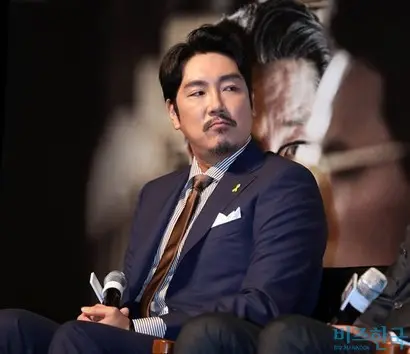
Criteria for returning to broadcasting vary by network. Terrestrial broadcasters like KBS, MBC, and SBS categorize restrictions on appearances based on factors such as being booked for a criminal case, arrest, or receiving a sentence of probation or heavier. Depending on the severity of the case, they apply measures such as recommendations to refrain from casting, temporary bans, or indefinite suspensions. Procedures for lifting these restrictions include criteria such as acquittal, clear signs of repentance, and the passage of a significant amount of time. Reviews are initiated upon requests from production departments, not just the individual concerned.
Cable channels like tvN have relatively looser regulations, as they create content based on subscribers rather than broadcasting to the general public like terrestrial networks. Without understanding these differences, some may misunderstand that all disgraced individuals eventually return to broadcasting. However, the reality is that all channels are exposed to the public to the extent that separate standards for cable TV are ineffective. Furthermore, global OTT services like Netflix are not subject to Korean broadcasting laws at all.
With the cases of Cho Jin-woong and Baek Jong-won, the debate over exposing content featuring celebrities who have caused controversy has reignited. Now is the time to establish standards. This is not just an issue for the individuals involved. It affects their management agencies, organizations, production companies, broadcasters, fellow actors, and staff. Furthermore, it impacts stock prices, leading to losses for shareholders, and can even damage the national image improved by the Hallyu wave. Therefore, government ministries, related agencies, cultural industry companies, and content-related professionals need to put their heads together and discuss this.
In particular, sensationalist reporting driven by competition for exclusives often does more harm than good to society as a whole. It is common for such reports to lead to extreme consequences. While terrestrial broadcasting must be operated strictly, blocking all other activities is problematic. Even though actress Kim Sae-ron had already been sufficiently punished for drunk driving, even her appearances in films and theater performances were challenged.
One cannot simply block all activity; this should be left to consumer choice. The decision on whether someone is forced out should be determined by market principles. Companies will naturally observe consumer trends and make voluntary judgments and choices. That is the principle of cultural democracy and capitalism.
Above all, a coordination process before reporting is necessary to prevent massive damage. In the case of actor Cho Jin-woong, it was excessive for the media to report on his juvenile protective custody record. Disclosing a case that is legally protected from disclosure and has already been punished, right before the release of a new drama, is difficult to empathize with. This is a different level of issue than simply raising suspicions of school bullying. Even school bullying allegations should be resolved through prior coordination rather than being exposed to the media. The purpose of the victim of violence must be clearly identified, and a system to resolve the issue must be established. Exposing reports without victims should be defined as profit-seeking behavior through defamation.
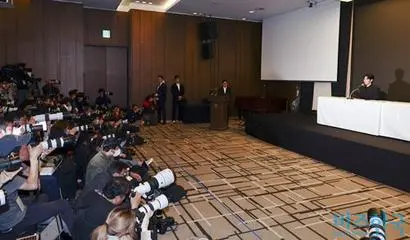
The same applies to personal conflicts. In the case of actress Kim Sae-ron, the situation became irreversible because she exposed the matter on extreme channels when there were no means to confirm or coordinate with actor Kim Soo-hyun. A system or mediating agency is needed to prevent catastrophe and lead negotiations and agreements between both sides, and this process should be confidential to protect images and brands. If a media outlet breaks these principles and reports on it, regulations should be in place to prevent the content from being supplied to platforms such as portals.
I believe a Public-Private Cultural Exchange Committee could effectively institutionalize this. Responses need to be staged by distinguishing between personal controversies (tastes), interpersonal disputes (arguments), moral/ethical issues, civil issues, and criminal issues. It is necessary to minimize instances where activities are halted or rights and contracts are terminated based solely on the raising of allegations. For this, the establishment of a (tentative name) 'Artist Arbitration and Mediation Committee' is necessary.
If this committee issues a decision to suspend reporting, the parties involved should comply. Measures should be defined for media outlets that do not comply. Efforts should especially focus on cases where individual artists, such as those without agency support, have no protection. We must now begin institutional efforts to minimize the immense damage and suffering caused to the entire industry, as well as the deprivation of the right to life and livelihood, caused by double or triple punishments based solely on the fact that their names and faces are known.
The author, Kim Heon-sik, has wandered or navigated through the forest of pop culture phenomena since his 20s with the expectation that there is a way to make the world better through culture. In the 21st century, where AI and quantum computers are active, he is still walking the same path with the same belief.
※ The manuscript from an external writer may differ from the editorial direction of this publication.