

[비즈한국] Recently, 'human-derived' skin boosters have become extremely popular in the aesthetic dermatology industry, driving a sharp rise in the stock prices of related companies. However, Bizhankook previously reported that these skin boosters are actually made from donated human tissue. According to relevant agencies, there is no violation of current law when human tissue, donated to save lives, is used for cosmetic procedures (Related article: [Exclusive] The 'human-derived skin booster' causing a stir in dermatology is actually extracted from 'cadavers').
So, are prospective donors and their bereaved families aware of this? The answer is no. From the initial application stage to the time after donation, there is no system in place to inform them about the specific purposes for which organs and tissues are used.
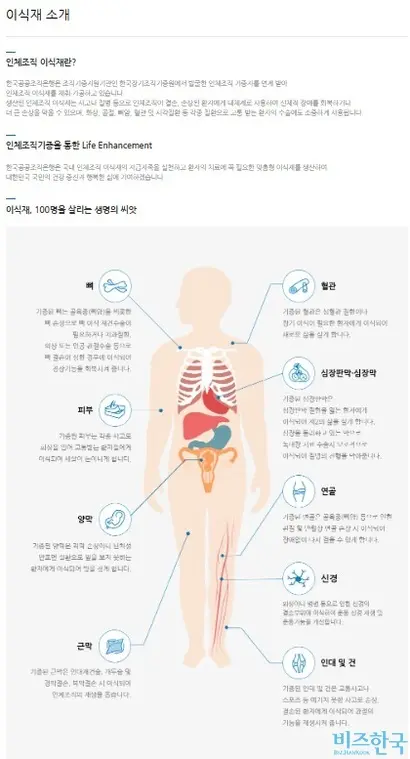
“Many people are struggling with tissue damage due to unexpected accidents or injuries in daily life.” This is the description of the ‘necessity of human tissue donation’ posted on the website of the Korea National Institute for Organ, Tissue and Blood Management under the Ministry of Health and Welfare. This agency explains that donated human tissue is used to reconstruct patient tissues and treat various diseases.
While the Korea National Institute for Organ, Tissue and Blood Management handles the registration of donation pledges, the Korea Organ Donation Agency under the Ministry of Health and Welfare is responsible for counseling and facilitating the donations. The Korea Organ Donation Agency also promotes the act as a "noble sharing of life, donating human tissue for neighbors suffering from congenital or acquired physical disabilities such as burns, fractures, bone cancer, and vascular or visual diseases," stating that "human tissue from one donor can save the lives or restore the health of up to 100 patients."
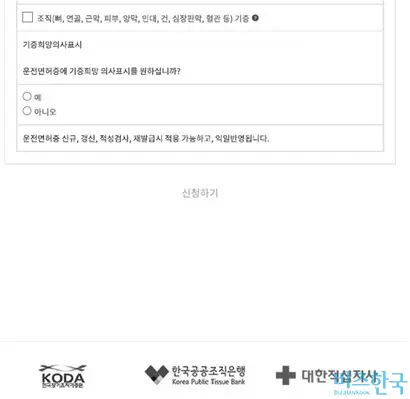
However, the donation pledge form only allows applicants to check boxes for ‘organs,’ ‘eyes (cornea),’ and ‘human tissue,’ with no specific information on how the donated tissue will be used. Even after the human body is donated, the bereaved families are not informed about how the tissue is utilized.
Donated human tissue is transported to public tissue banks, where it undergoes collection and processing before being distributed to individual tissue banks. The problem is that the tissue distributed in this manner is also used for cosmetic procedures.
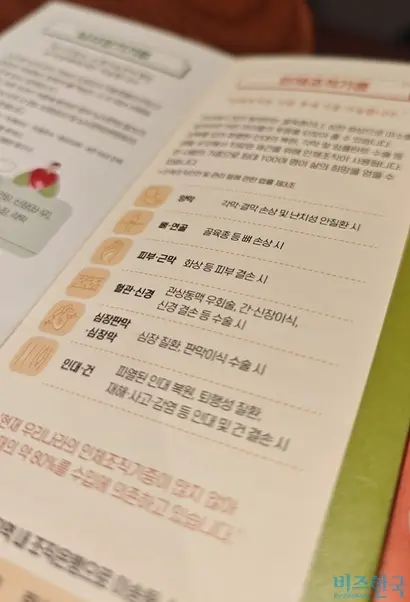
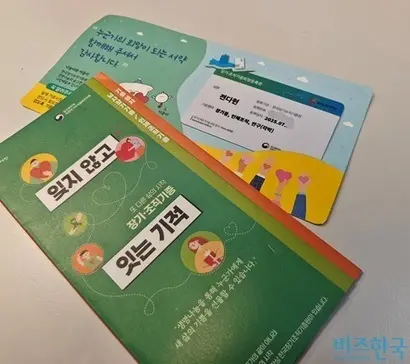
Contrary to the promotion that one can "save up to 100 lives," a significant amount is actually used for skin regeneration or cosmetic procedures. Nevertheless, there is no notification or consent process regarding the possibility of 'cosmetic use' when filling out the donation pledge form, nor can it be found in promotional literature. The current Act on Human Tissue Safety and Management only stipulates that "the donation, management, and transplantation of human tissue shall be carried out in an ethically sound and medically recognized manner," leaving no clear criteria to restrict non-therapeutic uses such as cosmetic procedures.
A person identified as A, who applied for organ and tissue donation after watching a medical drama, said, "I've heard for the first time that donated tissue could be used for cosmetic purposes. I didn't hear anything about that when I registered. It's shocking."
An official in the medical industry pointed out, "The problem is that it is being used domestically even though donors did not consent to its use in cosmetic procedures. There needs to be a mechanism to verify that tissue is used according to the donor's intentions."
In response, an official from the Ministry of Health and Welfare stated, "There are about 150 brain-dead human tissue donors per year in Korea, and skin, in particular, is in short supply for domestic burn patients, breast cancer reconstructive surgery, and blast injury victims. The public tissue bank distributes tissue on the premise that it is used for medical treatment only. We will prepare improvement plans to ensure that skin from imported foreign donors is also utilized appropriately."