

[비즈한국] The Ministry of Health and Welfare decided on a 7.19% health insurance premium rate for next year during the Health Insurance Policy Deliberation Committee meeting on the 28th of last month. This is a 0.1%p increase from this year, representing an increase rate of 1.48%. As a result, the average monthly premium (employee contribution) for workplace subscribers increased by 2,235 won, from 158,464 won to 160,699 won, and the average monthly premium for local subscribers increased by 1,280 won, from 88,962 won to 90,242 won. Although this is the first increase in three years, there is widespread public discontent, with claims that "the hike was set high due to the medical-government conflict," as it comes immediately after the standoff. We examined past cases of medical-government conflicts to see if they actually influenced the rate of increase in insurance premiums the following year.
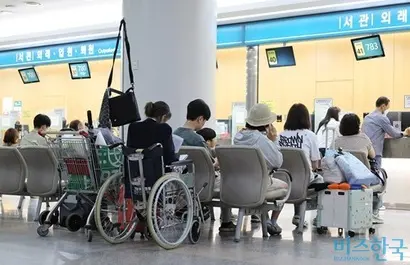
Significant increase in 'hike rates' immediately after two medical-government conflicts
This premium hike comes after a two-year freeze, marking the first increase in three years. However, public sentiment is negative. According to the '2025 Public Perception Survey on Current Health Insurance Issues' conducted by the Korea Enterprises Federation last month among 1,007 people aged 20 or older nationwide, 45.2% preferred a "freeze" and 35.1% preferred a "reduction" regarding next year's premium rate.
It is presumed that the "burden relative to income" is the biggest reason, similar to previous years. However, with the unprecedentedly long medical-government conflict, many are pointing to "collective action by doctors" as the culprit. They argue that this group caused the insurance premium rate to rise significantly. Insurance rates are raised annually, with occasional freezes. As some suggest, was the increase rate higher after medical-government conflicts? We looked into the premium hike rates immediately following three instances of medical-government conflict. Starting with the conclusion, when considering only the "figures," the premium increase rate the year following a medical-government conflict was often higher than the previous year.
In 2018, the Moon Jae-in administration pushed for the establishment of a public medical school. The medical community strongly opposed this, engaging in friction with the government, including holding a "National Doctors' Rally." The government later took a step back, and it did not escalate into a general strike or collective resignations of interns and residents. Nevertheless, the increase rate the following year was higher than the year prior. The 2019 premium rate was 6.46%, an increase of 3.49% compared to the previous year. Compared to the previous five years (2014-2018), where the increase rate ranged from a freeze (2017) to as high as 2.04% (2018), this was a somewhat larger increase.
Next year's increase also comes after a lull following about two years of medical-government conflict. It will be a 1.48% increase after two consecutive years of freezes. However, looking at the increase rates of the previous five years, it is not the highest rate excluding years where it was frozen. The year with the highest year-on-year increase in the last five years was 2021, at 2.89%.
Regarding the background of the health insurance premium hike, the Ministry of Health and Welfare explained, "Although health insurance finances are currently stable, the revenue base has deteriorated due to the previous freezing of premium rates and low economic growth. We also considered future expenditure factors resulting from the new government's policy tasks, such as strengthening local and essential medical care, which led to discussions on the necessity of an increase above a certain level." They added, "We will plan for the stability of health insurance finances by actively pursuing expenditure efficiency, such as identifying and managing factors that cause unnecessary medical expenses and financial leakage."
Increase rate decreased slightly in 2020
On the other hand, after the medical-government conflict in 2020, the increase in the premium rate was not significant. At the time, the government pushed for "four major medical policies (telemedicine, pilot project for herbal medicine benefits, establishment of a public medical school, and expansion of medical school quotas)," but the medical community defined these as "four evil medical policies" and engaged in collective action. This included collective leaves of absence, refusal to take the practical licensing exam for doctors, and sympathetic walkouts. However, the health insurance premium increase rate the following year was 2.89%, a slight decrease from the previous year's 3.2%.
As such, in these three cases, when considering only the "numerical figures," the increase rate the following year was often higher than it was before the medical-government conflict. While there are various factors other than medical-government conflicts that influence premium rate hikes, medical-government conflicts do indeed affect the health insurance fund. Since February of last year, the government has injected 2.9874 trillion won of health insurance funds into operating an emergency medical system and providing advance payments of insurance benefits to teaching hospitals. Although the National Health Insurance Service recorded a surplus in current account balance for four consecutive years, the size of the surplus decreased last year.
The aging population is also a cause for significant increases in premium rates. In the last 20 years, the years with the largest premium increases were 2007 and 2008, recording hikes of 6.5% and 6.4%, respectively. At the time, the Ministry of Health and Welfare explained, "We considered the trend of increasing insurance benefit payments due to the expansion of health insurance coverage and the increase in the elderly population and patients with chronic diseases."
A report titled "Health Insurance Fiscal Outlook Reflecting Medical Reform and Emergency Medical Measures" published by the National Assembly Budget Office predicts that the health insurance fund will turn into a deficit by 2026. The report pointed out, "To prepare for the deterioration of mid-to-long-term health insurance finances, active efforts to improve expenditure efficiency must be prioritized. Specific expenditure efficiency plans, such as reducing general beds at tertiary general hospitals and reducing the volume of medical care due to medical reform, should be disclosed, and the resulting financial savings and appropriate investment scale should be reviewed."