

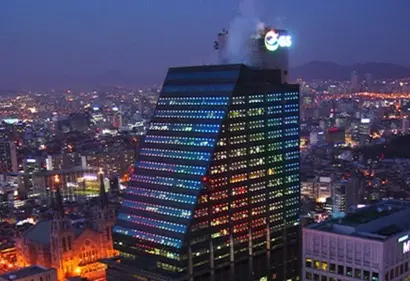
[비즈한국] GS Retail007070 has terminated the business of its subsidiary, Fresh-P, which was a core component of its vertical integration strategy for fresh food. This decision comes four years after acquiring Fresh-P, an agricultural produce processing and distribution company, in 2021. Amid recent sluggish performance, GS Retail appears to be shifting its business strategy toward internal stability, initiating the liquidation of loss-making affiliates.
Fresh-P: Business terminated 4 years after acquisition
GS Retail has terminated the business of its subsidiary, Fresh-P. Upon announcing its second-quarter earnings, GS Retail stated that the business of Fresh-P had been terminated within the quarter. A GS Retail official stated, "We decided to discontinue the operations of our subsidiary Fresh-P as of last June," adding that "the liquidation of the entity will proceed through a sale followed by dissolution."
Fresh-P is an agricultural produce processing company that GS Retail acquired in 2021. Equipped with a smart factory in Gyeryong, South Chungcheong Province, the company had been processing, packaging, and selling agricultural products such as vegetables and fruits. GS Retail acquired a 90% stake in Fresh-P, which had been on the market following corporate rehabilitation proceedings, and incorporated it as a subsidiary. In December 2023, GS Retail acquired additional shares, making Fresh-P a wholly-owned subsidiary.
Through the acquisition of Fresh-P, GS Retail aimed for the vertical integration of fresh food. The strategy was to solve the entire process—from selecting, processing, and packaging produce harvested in the field to selling it at GS25 or GS The Fresh—in-house to reduce costs and improve food quality and freshness. At the time of the acquisition, GS Retail explained, "We acquired Fresh-P to strengthen our fresh food sector," adding that "it was based on the judgment that it would enable a stable supply of agricultural products."
GS Retail had previously invested significant effort into growing Fresh-P. The company injected approximately 6 billion won under the guise of supporting Fresh-P. It also loaned 18 billion won for the expansion of the second factory and to secure operating funds, an amount that was later converted into equity. At the end of 2024, an additional 2.5 billion won was injected through a cash capital increase. Last year, the company also focused on expanding synergy by appointing a CEO from GS to lead Fresh-P.
However, operations were folded before the acquisition reached its four-year mark. Industry analysts believe that the accumulation of deficits and synergy effects that fell short of expectations influenced the withdrawal. Since its acquisition by GS Retail, Fresh-P has never been profitable. Its net loss was 1.8 billion won in 2022, 2.9 billion won in 2023, and increased to 5.3 billion won in 2024.
Regarding the reason for terminating Fresh-P's business, a GS Retail official explained, "We made the decision to discontinue it in line with our focus on profitability-centered management innovation and strengthening our core business."
Shift toward internal stability, what about remaining affiliates?
In addition to Fresh-P, GS Retail also decided to terminate the business of its Indonesian entity. In the first half of this year, GS Retail sold all its supermarket stores (6–7 locations) in Indonesia to a local retail company and withdrew from the Indonesian market. Although the company established a local subsidiary in 2014 and set out to expand its overseas business, it seems the decision to exit was made after it failed to achieve the expected results. Last year, the Indonesian entity's revenue was 18.5 billion won, with a net loss reaching 11.5 billion won.
GS Retail stated, "We decided to discontinue the Indonesian business to focus more on our domestic supermarket business," adding, "We want to concentrate our capabilities on our domestic operations, which continue to show unparalleled growth in the industry."
Recently, GS Retail has been experiencing a string of poor performances. As the convenience store industry remains stagnant and growth in the supermarket and home shopping businesses slows, the burden of improving profitability is growing. GS Retail's revenue for the first half of this year was 5.7351 trillion won, a 2% increase compared to the same period last year (5.6234 trillion won), but its operating profit was 124.9 billion won, a 7.8% decrease from the same period last year (135.4 billion won).
Consequently, GS Retail's strategy is to focus on internal management rather than aggressive business expansion. The company plans to reduce new projects and capital expenditures, focusing on recovering profitability.
As GS Retail continues its focus on internal management, the possibility of further restructuring of affiliates has been raised. According to the 2024 business report, GS Retail conducted impairment tests on its associates and subsidiaries that showed signs of impairment. This is a procedure to check whether the actual asset value is maintained at the amount recorded in the books for companies judged to have potential risks to financial soundness, and to reduce the accounting amount if the value has declined.
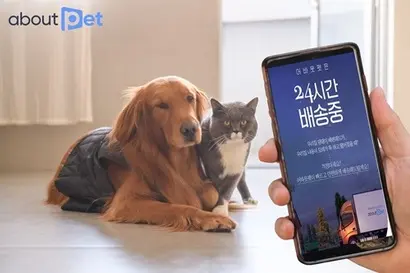
The four entities included in the assessment were Fresh-P, the Indonesian entity, AboutPet, and Widhan Sangsang. In effect, GS Retail expressed concerns regarding the financial health of these four affiliates. With Fresh-P and the Indonesian entity having decided to terminate operations, weight is being given to the possibility of the remaining two companies also undergoing business restructuring.
However, GS Retail stated that there are no discussions regarding the additional restructuring of subsidiaries. A GS Retail official explained, "The performance of our subsidiaries turned toward improvement in the second quarter. No further business terminations have been decided."