

[비즈한국] The Seoul Metropolitan Government has recently faced a series of defeats in administrative lawsuits regarding "compensation for land incorporated into rivers," putting a brake on the winning streak it had enjoyed since a landmark Supreme Court victory last year. Following the enactment of a special act in 2021 that requires local governments to compensate original landowners for land previously incorporated into rivers by the state, related lawsuits have surged. Seoul City had gained an advantageous position after winning a lawsuit worth approximately 7.3 billion won last year, but this momentum has now been broken.
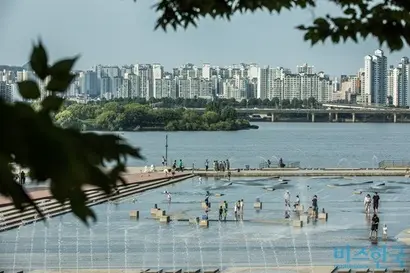
On May 30, Seoul City lost an administrative lawsuit concerning a river land compensation claim worth approximately 420 million won. This lawsuit was filed by the heirs of a person who had owned land along the Han River in Gwangjin-gu, seeking compensation that was never received in the past. While Seoul City argued that compensation had already been paid during the land reform period, the court did not accept this. The court ruled entirely in favor of the plaintiffs, stating there was no evidence of actual compensation and that even if it had been paid, the loss resulting from the incorporation into the river would still be a separate subject for compensation.
On June 13, Seoul City lost another compensation lawsuit worth approximately 360 million won. This case was also filed by the heirs of an owner of land along the Jamsil riverfront who had not received compensation in the past.
In another case sentenced on the same day, Seoul City partially lost and was ordered to pay approximately 800 million won in damages. The subject of this lawsuit was 11 plots of land located along the Han River in Gangdong-gu; the land had been registered under the names of the state or third parties after land registries and ledgers were destroyed during the Korean War. Consequently, the actual owners never received compensation. The court ruled that the original owners should have been compensated and ordered Seoul City to pay the heirs based on the appraised value.
This represents a significant shift from the trend where Seoul City had been winning related lawsuits consecutively, beginning with the Supreme Court victory last year. On May 30 of last year, the city announced that it had won a river land compensation lawsuit at the Supreme Court, securing an advantageous position in 76 similar ongoing cases.
At that time, the case involved descendants of a former landowner along the Han River in Yeongdeungpo-gu who were demanding approximately 7.3 billion won in compensation. The land had become state-owned after being incorporated into the river, but the original owner had subsequently sold the land to a third party, thereby failing to receive compensation. The descendants argued that because land transactions after incorporation into state property are invalid in principle, Seoul City should pay the compensation for the river incorporation.
The first and second instance courts at the time ruled that land sales occurring after river incorporation could not be recognized, and that Seoul City should pay the compensation. However, the Supreme Court ruled differently, stating, "If an individual has exercised all rights as an owner, such as selling the subject land and receiving the sale price as consideration for the transfer of ownership, it cannot be said that a special sacrifice or loss of property occurred, and therefore they cannot claim compensation." Subsequently, Seoul City won all 18 similar administrative lawsuits held between January and February of this year.
The strategy Seoul City will adopt for the remaining river compensation lawsuits is now a key point of interest. A Seoul City official stated, "Since the Supreme Court ruling last year, the city has won the majority of similar lawsuits. However, among the cases with recent rulings, there are instances where we lost, and these are cases where compensation had not been paid previously or which involve many disputed issues. We plan to decide whether to appeal after fully reviewing the potential for winning."
According to Seoul City, there are currently 33 ongoing river compensation lawsuits: 31 related to national rivers and 2 related to local rivers. How much the city will eventually have to pay in compensation remains uncertain. A city official said, "It is difficult to determine the current compensation amount. There are many cases where the litigation amount is changed based on appraised values and other factors."