

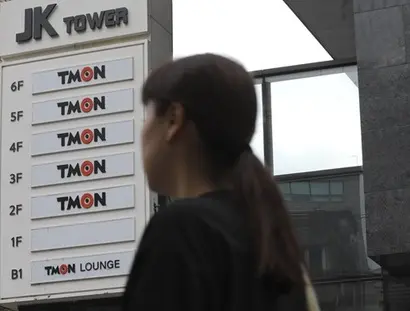
[비즈한국] Oasis361170 has been selected as the final prospective buyer for TMON. The remaining hurdle is the stakeholders' meeting scheduled for June. For the rehabilitation plan to be finalized and approved, it must obtain the consent of creditors and secured creditors. However, among creditors disappointed by the low repayment rate, there are heated voices suggesting that "bankruptcy would be better."
Possibility of Oasis Acquisition Increases, but Unpaid Settlement Victims Sigh
On the 14th, the Seoul Bankruptcy Court selected fresh food dawn delivery company Oasis as the final prospective buyer for TMON. The acquisition will be conducted through a 100% issuance of new shares, with the acquisition price set at 11.6 billion won. However, considering the public interest claims for unpaid wages and severance pay (3 billion won) and retirement benefit reserves (3.5 billion won) that Oasis plans to cover with additional operating funds, the effective acquisition cost is expected to be around 18.1 billion won. Oasis must guarantee employee employment for 5 years after acquiring TMON.
Industry insiders had speculated that the price at which Oasis would acquire TMON would be lower than market expectations. Since consumer trust in TMON has plummeted, there would be no reason for Oasis to acquire the company unless the price was cheap. As expected, the possibility of TMON, which once had a corporate value of 2 trillion won, being acquired for less than 20 billion won has increased.
Oasis joined the race to acquire TMON in March. It is known that the TMef (TMON·Wemakeprice) side contacted Oasis in February to propose the acquisition, followed by one more meeting to discuss specific contract terms. The sale of TMON was pursued using a "stalking-horse" method (conducting a public competitive bid after setting a conditional prospective buyer), but no company other than Oasis expressed an intention to acquire TMON.
The decision on Oasis's acquisition of TMON is expected to be finalized within June. The deadline for submitting the rehabilitation plan is May 15, and once submitted, a stakeholders' meeting will be held in June for the deliberation and resolution of the plan to determine the final acquisition.
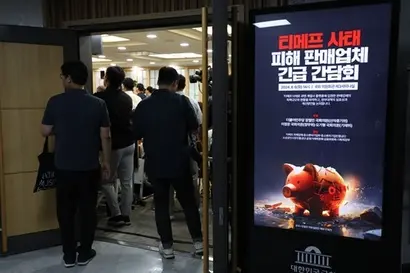
However, whether the rehabilitation plan will be smoothly approved at the stakeholders' meeting in June is uncertain. For the plan to be approved, it must receive consent from at least three-quarters of secured rehabilitation creditors and two-thirds of general rehabilitation creditors. However, as the repayment rate is less than 1%, there are predictions that it will be difficult to obtain creditor consent.
TMON forecasted that if the rehabilitation plan is approved, the M&A repayment rate for general rehabilitation claims would be around 0.8%. This is not much different from the 0.44% liquidation dividend rate creditors would receive if TMON went bankrupt. This is in contrast to the typical 10–30% repayment rate for companies undergoing rehabilitation procedures. Industry experts analyze that the repayment rate was set low because TMON's chances of rehabilitation are low and it has almost no asset value.
Shin Jung-kwon, head of the Black Umbrella Emergency Response Committee (a group representing TMef victims), explained, "I met with TMON on the 16th to hear an explanation of the situation. I was informed that the acquisition price has been finalized. The creditor group welcomes the fact that Oasis is taking over TMON and assuming the claims. However, opinions are divided over the repayment rate and other details."
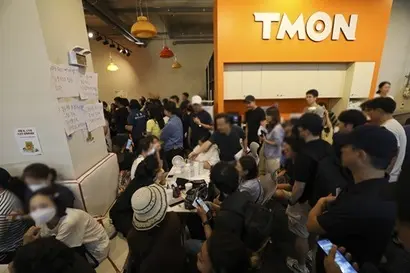
"I Suffered a Loss of 100 Million Won, but the Repayment is Only 800,000 Won"
As expectations mount that the repayment rate will be less than 1%, voices among creditors saying "bankruptcy would be better" are emerging. Shin said, "While some say let's wait through the rehabilitation process, others say it would be better to just go bankrupt. It's an emotional expression that they would rather go clean into bankruptcy than receive a small amount of money and hear, 'Aren't you settled now?'"
He added, "Some might judge that it's better because the repayment rate is higher than the 0.44% liquidation dividend rate, but that's a remark made without knowing the victims' situations. A creditor who lost 100 million won is only receiving 800,000 won. There are over 20,000 seller creditors alone."
In the current situation, there are predictions that a significant number of creditors might refuse to attend the stakeholders' meeting itself. Shin noted, "Creditors must attend the meeting in person to state their consent to the court. A creditor who lost 100 million won has to give up their livelihood and travel from the provinces just to receive 800,000 won. Wouldn't you say those people are bound to express themselves emotionally?"
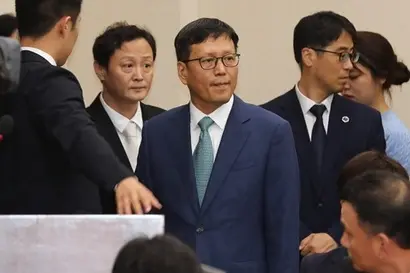
Even if the rehabilitation plan is rejected at the stakeholders' meeting due to a lack of consent from secured and general creditors, it does not mean that bankruptcy proceedings will begin immediately. A Seoul Bankruptcy Court official stated, "Even if the percentage (consent rate) is not met, the court can issue a compulsory approval decision. It doesn't lead to bankruptcy right after rejection. We don't know what decision the court will make afterwards."
Last year, the rehabilitation plan for HN Inc, an IT and construction service company that entered rehabilitation procedures, was rejected due to a lack of creditor consent. Taecho E&C, an affiliate of SM Group, had been selected as the final prospective buyer for HN Inc. After the plan was rejected, HN Inc submitted a statement to the court hoping for a compulsory approval, and one week after the stakeholders' meeting rejected it, the court compulsorily approved the HN Inc rehabilitation plan.
TMef victims currently feel a sense of futility, knowing that the only thing they can do is vote on the rehabilitation plan. Shin said, "There is no option other than to consent or not. That is how the rehabilitation procedure works under domestic law. In the midst of all this, CEO Ku Young-bae is operating a new company called KCCW, which only makes creditors angrier and more disappointed."
The Black Umbrella Emergency Response Committee filed criminal complaints against four people—Qoo10 Group CEO Ku Young-bae, TMON CEO Ryu Kwang-jin, Wemakeprice CEO Ryu Hwa-hyun, and Interpark Commerce CEO Kim Dong-sik—for fraud, embezzlement, and breach of trust last September. The first trial date was held on the 8th, and the officials, including CEO Ku, said, "I am sorry to the victims," but denied all charges in the prosecution's indictment. The trial for the TMef management team is scheduled to be held every other Tuesday.