

[비즈한국] Amidst a decline in both the number and market share of pharmaceutical clinical trials conducted in South Korea last year—partly due to the collective resignation of medical residents—it was found that “gene therapies” were the only category to see an increase. By therapeutic area, the 40% year-on-year growth in “endocrine system” trials also stands out.
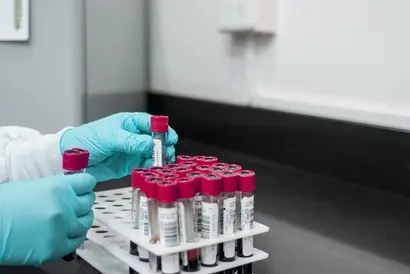
“Gene Therapy” Clinical Trials Double
According to the Ministry of Food and Drug Safety and the Korea National Enterprise for Clinical Trials (KoNECT), while the number of global clinical trials reached 4,667 last year, a 4.4% increase from the previous year, South Korea saw a decrease in both the number of trials and its market share, ranking 6th with a 3.46% share. The rankings are led by the United States, China, Australia, Spain, and Germany. South Korea previously ranked 5th (3.75%) in 2022 and 4th (4.04%) in 2023.
Specifically, a total of 747 clinical trials were conducted last year (83 investigator-initiated trials and 664 pharmaceutical company-sponsored trials). While pharmaceutical-sponsored trials are conducted by sponsors such as pharmaceutical companies and Contract Research Organizations (CROs) for the purpose of drug development, investigator-initiated trials are conducted by researchers primarily for academic purposes without external sponsorship, serving a significant public interest. Although the proportion of “investigator-initiated trials” has historically been low in South Korea, it has been steadily declining. Last year, both the number and the proportion of such trials were confirmed to have dropped by more than half (83 trials, 11.1%) compared to 2020 (188 trials, 23.5%).
By drug type, the progress in “gene therapies” was remarkable. Over the past five years, the clinical trial breakdown has been 62.2% synthetic drugs, 35.4% biopharmaceuticals, and 2.2% herbal medicinal products. Biopharmaceuticals are classified into recombinant DNA products, biological products, cell therapies, and gene therapies, with “recombinant DNA” trials being the most frequent. What is notable is that “gene therapy” was the only category to increase last year. Gene therapy trials had remained at around 10 per year until recently, but surged to 22 last year, effectively doubling the previous year’s count (11).
Gene therapy is a medical approach that treats or prevents genetic diseases by modifying abnormal genetic material into normal forms. It involves injecting therapeutic genes into a patient's cells, with the advantage of being able to deliver therapeutic genes exclusively to target cells. However, development has been slow due to high costs. Recently, however, as related regulations have been refined, gene therapies have regained attention in many countries. According to a report by the Korea Foundation for Regenerative Medicine, gene therapies now account for 10% of new drugs approved annually by the FDA, with the rate of growth accelerating since 2020. Last year, the National Assembly passed an amendment to the Advanced Regenerative Bio Act, which includes provisions to expand the scope of clinical research subjects for the development of gene therapies.
Anticancer Trials Lead Overwhelmingly; “Endocrine System” Trials Increase by 40% Due to Diabetes and Obesity Drug Demand
By therapeutic area, the “anticancer” field remains overwhelmingly in the lead. Statistics from the past five years show that oncology accounts for one-third of all trials, followed by the endocrine and cardiovascular systems. Although the total number of clinical trial approvals last year decreased compared to the previous year, leading to a drop in oncology approvals, endocrine system trials surged by a staggering 40.24% year-on-year. Looking at the annual figures, there were 64 trials in 2020, 62 in 2021, 92 in 2022, 82 in 2023, and 115 in 2024.
The “endocrine system” is responsible for secreting and producing hormones that regulate the activity of various organs in the body to maintain homeostasis. Endocrine diseases include diabetes, thyroid disorders, osteoporosis, and pituitary disorders. These diseases are among the primary causes of obesity and are closely linked to it. As global interest in obesity treatments has grown recently, demand for endocrine-related drugs appears to have increased as well.
According to the Integrated Drug Information System, major domestic and international pharmaceutical companies initiated clinical trial procedures for endocrine diseases last year. Novo Nordisk received approval for a Phase 2 clinical trial plan for a drug targeting type 2 diabetes, while Eli Lilly Korea received approval for a drug targeting peripheral neuropathy, a major complication of diabetes. Celltrion068270 and Daewoong Pharmaceutical069620 recruited participants for Phase 3 clinical trial plans for drugs targeting type 2 diabetes and type 2 diabetes with diabetic kidney disease, respectively.