

[비즈한국] South Korea is set to issue the world's first anti-drone operator certification. This development is gaining attention as it addresses the growing global need for effective responses to drone threats in line with recent advancements in drone technology.
The program is organized by the Korea Anti-Drone Industry Association, which received private certification accreditation last July and has been conducting training for anti-drone operators. The first certificates are scheduled to be issued in early April.
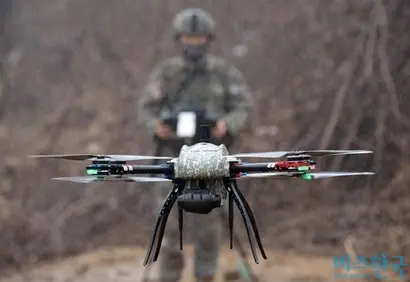
Currently, in South Korea, drone operator licenses are managed under a national professional certification system. The licensing system was introduced in 2013 and is categorized into four classes based on the drone's weight.
A Class 1 drone license can earn bonus points in selection processes for public officials such as police, firefighters, Army non-commissioned officers, and Korea Forest Service personnel. Police, fire departments, and the Forest Service use drones for search and rescue operations for missing persons and wildfire prevention, while the Army provides preferential treatment to drone license holders to foster elite drone operators.
With drones playing a major role in the ongoing Russia-Ukraine war, they have emerged as a core element of modern warfare. As the role and importance of drones grow, research into counter-drone systems is also actively underway. However, unlike the training of drone operators, the development of specialized personnel to operate 'anti-drone' systems has been sluggish. Until now, there was no systematic education or certification system for operators, but this has finally been established.
According to the Korea Anti-Drone Industry Association, current anti-drone training is being conducted for anti-drone equipment operators, policymakers, employees of equipment manufacturing companies, and students in anti-drone related departments. It is expected that anti-drone training will eventually become mandatory for national public officials, including military personnel, firefighters, and police officers.
Anti-drone operators are responsible for neutralizing illegally flying drones using radio frequency jamming equipment. The training curriculum includes △anti-drone industry trends △drone flight principles △anti-drone operations △hands-on anti-drone equipment practice △anti-drone system construction △and simulator utilization. The goal is to improve equipment handling skills through training and to help personnel develop professional insight when establishing protection plans against drone crimes and terrorism.
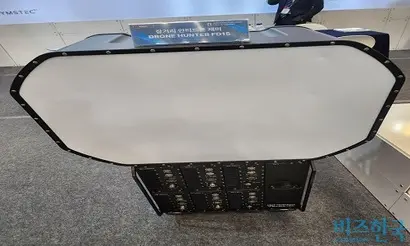
As anti-drone technology advances, demand for related jobs is expected to increase. The association is working with the military and the government to ensure that military personnel who obtain the certification receive preferential treatment in promotions and assignments. A high-ranking official from the Defense Acquisition Program Administration is scheduled to visit the training site this month to inspect the equipment and technology.
Jang Byeong-cheol, Vice Chairman of the Korea Anti-Drone Industry Association, explained, "Securing anti-drone systems is essential as drone threats continue to rise. Our goal is to cultivate professional personnel and improve practical skills through training, certification, and operator drills for this equipment. There is significant interest from both the military and related companies."
The Korea Anti-Drone Industry Association was established in January 2023, and is headed by Yang Byung-hee, a professor at KAIST (retired Major General). The association holds regular seminars and anti-drone forums, and is expanding its network by signing MOUs with about 50 domestic drone and anti-drone companies.