

[비즈한국] The ‘2025 Korea Art Support Project Exhibition’ will be held from March 12th to 17th at the Insa Art Center in Jongno-gu, Seoul. Marking the conclusion of season 10 of the artist support project ‘Korea Art Support Project,’ this exhibition features works by 19 artists. What thoughts have they poured into their pieces? Prior to the exhibition, we take an early look at the artworks through a two-part preview. ‘Preview 2’ sheds light on the artistic worlds of 10 artists: Gong Ye-na, Shin Eun-young, Ha Sa-an, Ellie Jung, Park Yong-il, Jeong Young-mo, Choi Won-seok, Park Young-ha, Lee Sun-woo, and Lee Ju-hee.
The greatest achievement of art since the 20th century is that it has infinitely expanded the territory of expression through diverse materials and methods. This is the result of meeting the demands of an era where visual environments have become diversified and expressive power has evolved explosively. This trend is divided into two categories: a tendency to demonstrate painting techniques through the properties or usage of materials, and a tendency to seek out new painting methods through visual arts in genres other than pure fine art or through the transformation of traditional art.
Artists demonstrating this expansion of expressive power include Gong Ye-na, Shin Eun-young, Ha Sa-an, Ellie Jung, Park Yong-il, Jeong Young-mo, Choi Won-seok, and Park Young-ha.
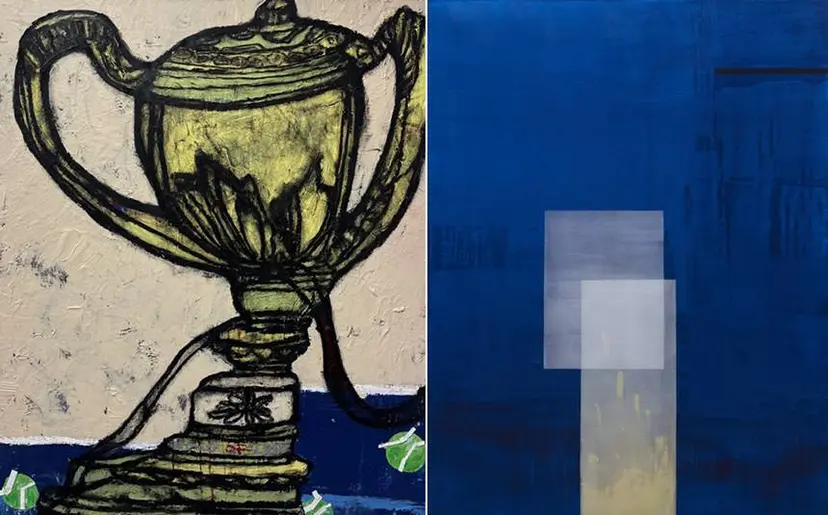
Gong Ye-na and Shin Eun-young, who seek new meanings in drawing, place emphasis on the role of lines. Gong Ye-na manages lines through the speed of the brush and the gradation of colors, using them to express the traces of old objects. Shin Eun-young, who focuses on the diverse characteristics of lines by imbuing her brushstrokes with emotion, attempts to capture the joys and sorrows of life.
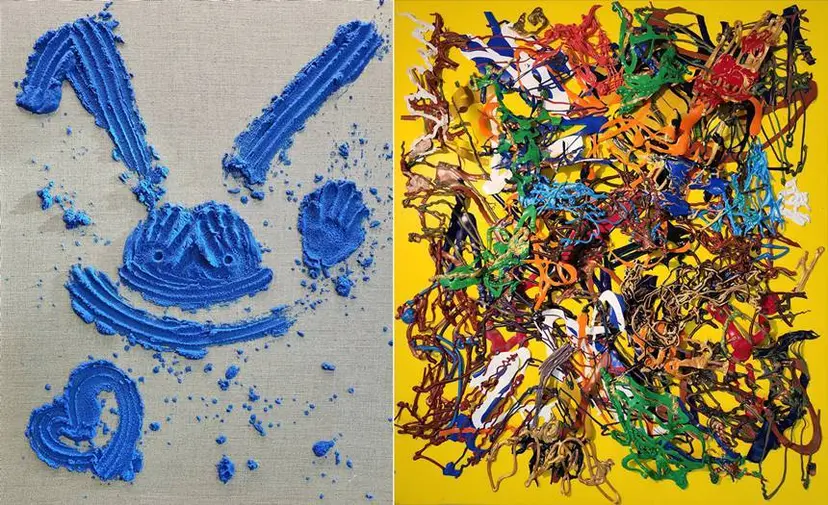
Ha Sa-an and Ellie Jung appear to be artists who seek painting methods through the effects of chance. Ha Sa-an, who attaches meaning to results produced by the properties of paint, presents work that questions the role of concepts in painting, while Ellie Jung, who seeks methods in the accidental effects of acrylic paint, finds the meaning of painting in materiality.
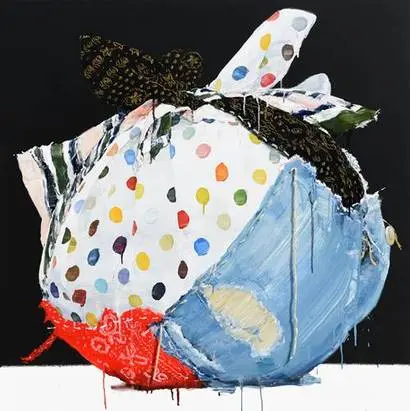
Park Yong-il, known as the "Bojagi (wrapping cloth) artist," connects meaning to the characteristics of various materials. By projecting his own life onto the meaning of the Bojagi, he conveys messages of preservation and harmony.
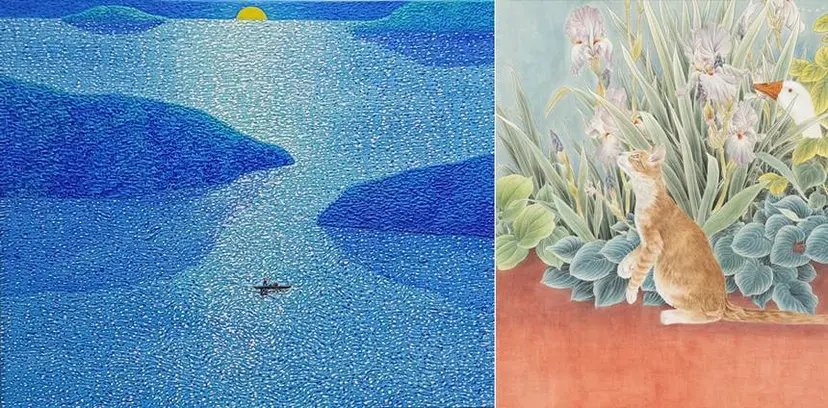
Jeong Young-mo and Choi Won-seok seek new methods in traditional art. Jeong Young-mo demonstrates a new sensibility with landscape paintings composed entirely of dots, while Choi Won-seok is gaining attention for his attempts to graft modernity onto the depth of traditional coloring.
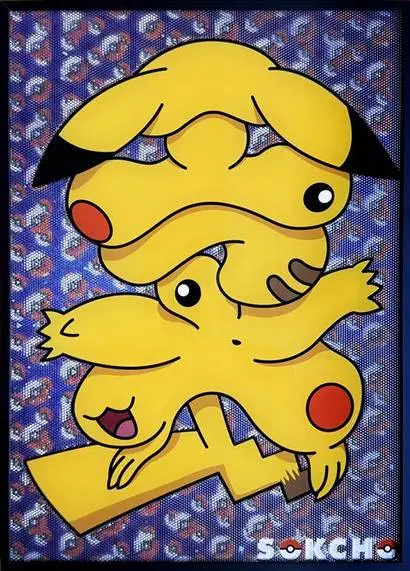
Park Young-ha, who pioneers new painting realms by blurring the boundaries between painting and design, provides visual pleasure with fresh ideas.
Art is a technique for creating beauty. The standards for interpreting beauty have changed historically due to the influence of regional and period-specific values. However, feeling something is beautiful has been a realm of essential sensibility. Humanity's effort to find the value of art here has continued ceaselessly throughout time and across cultures.
Artists who demonstrate this attitude include Lee Sun-woo and Lee Ju-hee. They adhere to painterly methods and approach the essence of art.
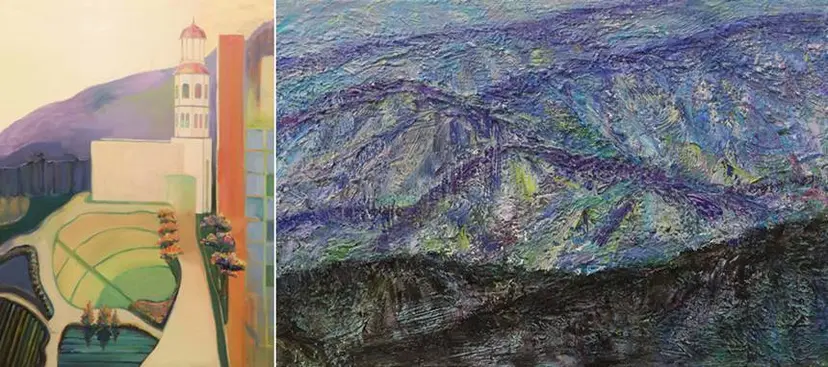
Lee Ju-hee, who pursues the deep flavors of oil painting, attempts to convey the emotional impact of landscapes by maximizing the effect of brushstrokes. The thick texture of the oil paint visible on her canvas effectively demonstrates the depth of the scenery.
Lee Sun-woo, who expresses the true essence of beauty through the meaning of color and unique composition, presents work that makes one think about the function of art and the true meaning of beauty.