

[비즈한국] Since the COVID-19 pandemic made it easier to obtain medicine online, the number of cases involving the manufacture, distribution, and sale of "illegal pharmaceuticals" has surged significantly. In one instance, the Ministry of Food and Drug Safety (MFDS) tested 100 items, such as erectile dysfunction treatments sold online, and found that all 100 were "counterfeit"—either lacking active ingredients entirely or containing them in excessive amounts. Despite the fact that taking illegal medicine can lead to death, distribution methods are becoming increasingly sophisticated. Consequently, voices are calling for a fundamental change in the online distribution system for pharmaceuticals.
$30.5 billion worth of illegal medicine sold globally every year
At the 70th World Health Assembly in 2017, the World Health Organization (WHO) defined illegal medicine as "Substandard and Falsified Medical Products." This category includes products that: fail to meet quality standards or specifications (Substandard); have not been evaluated or approved by the national or regional regulatory authority for the market in which they are sold, supplied, or used (Unregistered/Unlicensed); or have been deliberately/fraudulently mislabeled with respect to identity or source (Falsified). At the time, the WHO stated, "It is estimated that more than 1 in 10 medicines in low- and middle-income countries are substandard or falsified," and designated this as one of the urgent health issues for the next decade.
The amount spent on illegal medicines globally is estimated at approximately $30.5 billion (43.8132 trillion KRW) annually. According to the "Global Surveillance and Monitoring System for Substandard and Falsified Medical Products: Activity Report (2024)" published by the WHO, the most commonly consumed categories are: Anti-infectives for systemic use, Nervous system treatments, Anti-parasitic products (including insecticides and repellents), Antineoplastic and immunomodulating agents, and Alimentary tract and metabolism drugs, in that order. In Southeast Asia, which is adjacent to South Korea, spending on "nervous system treatments" is the highest.
Erectile dysfunction treatments, steroids, and weight-loss drugs are 'popular'
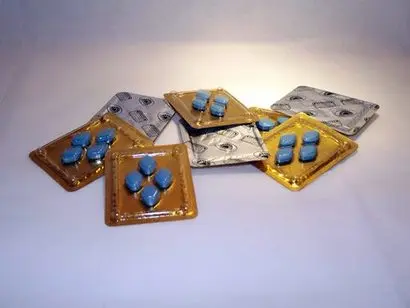
Cases of illegal manufacturing, distribution, and sales of pharmaceuticals continue to be uncovered in South Korea as well. The primary targets are erectile dysfunction treatments, steroids, and weight-loss drugs. As the College Scholastic Ability Test (CSAT) approaches, "fake drugs" marketed as "study drugs," such as methylphenidate or amphetamine preparations, also become prevalent. Last year, the Ministry of Food and Drug Safety referred a group to the prosecution for manufacturing and selling approximately 1.5 million pills (worth 16 billion KRW) of erectile dysfunction drugs, including Viagra and Cialis. The group set up a full-scale production facility in two secluded factories—complete with raw material mixers, tableting machines, tablet coating machines, and packaging equipment—and sold some of the counterfeit drugs through two adult product shops they operated themselves. This was the largest volume of counterfeit erectile dysfunction drugs ever uncovered by the MFDS.
Cases of illegally manufacturing steroid preparations and selling them to bodybuilders and others under the guise of muscle growth are also frequent. Last year, a group was referred to the prosecution without detention for illegally manufacturing and selling 700 million KRW worth of steroids to 2,218 people over a period of two years and eight months by installing manufacturing equipment in a private home. Beyond this, there have been cases where pharmacists conspired with pharmaceutical wholesalers to sell drugs knowing they were counterfeit, or where traditional Korean medicine doctors were caught manufacturing fake medicine themselves. In 2016, doctors running a famous traditional Korean medicine clinic were caught after they had spent over 10 years smuggling in raw materials containing metformin—an ingredient for diabetes medication—from China, and mixing them with expired herbal medicine and charcoal powder to manufacture and sell fake "herbal diabetes medicine."
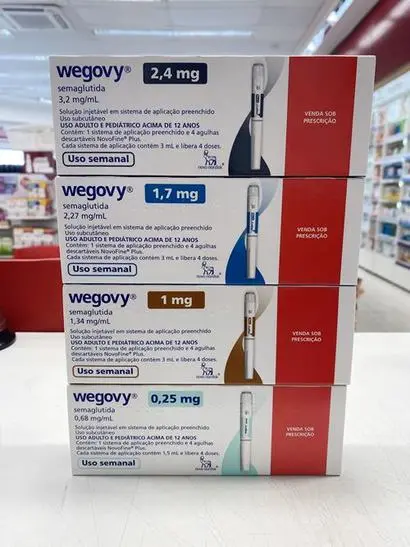
Taking illegal medicine with unclear manufacturing and distribution routes can cause diseases to worsen or lead to resistance to specific medications. It also destroys the trust placed in medical service providers. This causes direct and indirect harm to public health. According to the WHO, the additional medical costs resulting from illegal medicines amount to billions of dollars globally every year. Domestic health authorities are cracking down by building an online monitoring system for illegal medicines. Last year, when weight-loss drugs were in short supply and counterfeit "Wegovy" and "Saxenda" were spreading, the MFDS intensified its crackdown on the illegal online sale of GLP-1 weight-loss drugs, uncovering about 300 related posts.
The pharmaceutical community argues that to prevent the distribution of "fake medicine," measures to block the online distribution of pharmaceuticals, including direct overseas purchases, are necessary. Previously, the Korean Pharmaceutical Association issued a statement opposing online pharmacies, pointing out, "The biggest problem in countries that allow online sales of medicine is fake drugs. We have no idea how many counterfeit drugs have been imported into Korea through direct overseas purchasing." They added, "Looking at cases of direct overseas purchases, people often buy drugs that are not approved domestically or for purposes other than what they are authorized for."
Meanwhile, thanks to the 2023 amendment of the Enforcement Decree of the Pharmaceutical Affairs Act, the Minister of Food and Drug Safety can now request that media outlets publishing illegal advertisements for medicine post the name of the drug, details of the violation, and the legal basis, so that consumers are aware that the advertisement is illegal until it is removed or blocked. Furthermore, the organizations or groups commissioned to perform monitoring tasks can now be designated by the Minister of Food and Drug Safety from among public institutions, government-funded research institutes, incorporated associations, and other organizations recognized by the Minister.