

[비즈한국] Amidst shrinking consumer sentiment due to the economic downturn, compounded by the effects of high exchange rates, a sense of crisis is growing in the "niche perfume" market—often referred to as high-end fragrance. During the pandemic, the "small luxury" trend led to the opening of many niche perfume specialty shops, but they are now closing their doors one after another due to worsening profitability and other factors.
Targeted at enthusiasts, but the market is shrinking
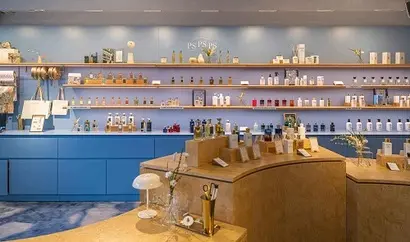
The offline store for SJ Group's niche perfume shop, "PSPSPS," will close at the end of this month. After the withdrawal of its offline presence, the company plans to operate only its online mall. The PSPSPS store, which opened in Seongsu-dong last September, was considered one of the favorite spots for niche perfume enthusiasts. However, a decision was made to end store operations just six months after opening. SJ Group has also liquidated all PSPSPS locations that were previously housed in department stores.
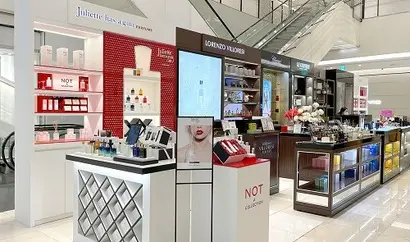
SJ Group, which holds licenses for fashion brands like Helen Kaminski and Kangol, began targeting the niche perfume market in 2023. Through its subsidiary, SJ Beauty, the company introduced brands to the domestic market such as France's "Juliette Has A Gun," Italy's "Lorenzo Villoresi," "Floris London," "Odite," "Altaia," and "Toiletpaper Beauty." In June of last year, it launched the PSPSPS online mall, bringing these niche perfume brands together, and expanded into offline sales channels starting in September.
An official from SJ Group explained, "The Seongsu-dong store was introduced as an offline pop-up. Since it was a pop-up store, we intended to operate it flexibly. This year, for the sake of business efficiency, we plan to withdraw all offline stores and continue operating only through the online mall."
Some speculate that SJ Group is in the process of winding down its niche perfume business. Currently, product restocking on the online mall is inconsistent, leaving most popular items sold out. SJ Group merged its subsidiary, SJ Beauty, last November for reasons of management efficiency and business competitiveness, signaling a potential contraction of its beauty operations. Regarding this, the aforementioned official stated, "We are observing the situation regarding the direction of online mall operations, etc. Nothing has been definitively decided yet regarding a total business withdrawal or the contraction of the cosmetics business."
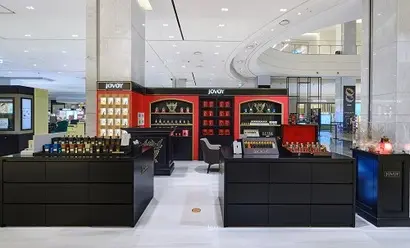
"Jovoy," a niche perfume shop brand expanded by LF, also closed all of its offline stores last year. It currently continues sales only through its online mall and Kakao Gift services. LF brought the French niche perfume shop brand "Jovoy" to Korea in April 2022. While it had operated stores at Hyundai Department Store Pangyo and The Shilla Duty Free Seoul, all of these locations have now been closed.
LF is planning to shift its sales channel strategy. An LF official said, "Recently, consumer patterns have shifted, with more people buying perfumes online. In line with this, we are closing offline stores and focusing our sales efforts online. You can still find niche perfume products at the LF specialty shop, Raum East in Apgujeong."
Following Jovoy's closure of its offline stores and recent large-scale sales, some customers have expressed anxiety, wondering if a withdrawal from the domestic market is imminent. However, LF clarified, "There are no plans for a total withdrawal. However, we are not in an atmosphere of aggressively increasing our product lineup."
Niche perfume shops in department stores are also vacating their spaces one by one. One consumer noted, "I recently received a text from a department store perfume specialty shop I frequented saying they would be closing the store in early March. It was great to be able to buy products that were previously only available through direct overseas purchase, but I think it will be hard to get them now. It's very disappointing."
Business viability drops due to recession and high exchange rates
The niche perfume market grew rapidly during the pandemic. As mask-wearing reduced cosmetics purchases, more consumers turned to perfume. In particular, a "small luxury" boom among those in their 20s and 30s expanded the consumption of niche perfumes.
Niche perfumes, often called "premium perfumes," are luxury fragrances created by master perfumers using premium ingredients. As the name suggests, derived from the Italian word "nicchia" meaning "niche," they were created for people who want a scent different from others. Consumers who wanted rare products rather than mass-market perfume brands were enthusiastic about niche perfumes, which in turn expanded the market. According to one market research firm, the size of the niche perfume market grew from 527 billion won in 2019 to around 625 billion won in 2021.
However, as the economic downturn has persisted, consumer wallets have tightened, and the niche perfume market appears to be shrinking. An employee at a department store niche perfume shop explained, "Compared to the past, the brand lineup has decreased significantly. Now, we only showcase and sell some brands with decent sales rates in stores, while others are distributed only online."
In particular, since most niche perfumes are imported, there is talk that the recent rise in exchange rates is significantly worsening the performance of importers. While famous brands that have secured a solid customer base are holding on by raising prices, it is reported that there is an atmosphere among companies importing brands reliant on a small base of enthusiasts to give up on the niche perfume business.
An industry insider mentioned, "Niche perfumes have been chosen by enthusiasts rather than gaining mass popularity. However, with the increase in import costs and other factors, business viability has decreased. It is expected that the niche perfume market will struggle for the time being."