

[비즈한국] The prosecution has ultimately decided to appeal the acquittal of Samsung Electronics005930 Chairman Lee Jae-yong in his case involving alleged unfair merger and accounting fraud. After both the first and second courts found him not guilty on all 19 charges, the prosecution convened an appellate review committee composed of external experts and decided to seek a final ruling from the Supreme Court. Chairman Lee, who has been on trial for over four years, now faces at least another year of waiting for the Supreme Court's decision.
However, there is significant criticism within the legal community regarding the decision to appeal after back-to-back acquittals in the lower courts. Critics point out that when deciding whether to indict, the prosecution ignored the review committee’s recommendation for non-indictment and pushed forward with charges, yet now uses the committee's recommendation for an appeal as a justification. This has led to accusations that the prosecution "uses the committee's judgment only when it suits their appetite."
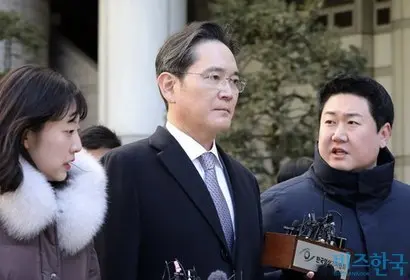
Did they appeal because of the appellate review committee?
In filing the appeal, the prosecution stated, "The second court's judgment contradicts other rulings that acknowledged the group's succession work and accounting fraud." Inside and outside the prosecution, it is said that the decision of the Criminal Appellate Review Committee played a crucial role.
The prosecution applied a total of 19 charges when indicting Chairman Lee. These include allegations that, under the direction of the Future Strategy Office, the merger between Samsung C&T028260 and Cheil Industries was unfairly planned and executed to facilitate the succession of management rights and strengthen control over the Samsung Group, as well as involvement in 4.5 trillion won worth of accounting fraud at Samsung Biologics207940, a subsidiary of Cheil Industries.
However, the 13th Criminal Division of the Seoul High Court (Presiding Judges Baek Kang-jin, Kim Sun-hee, and Lee In-soo), which handled both the first and second trials, also found Chairman Lee, former Samsung Future Strategy Office head Choi Gee-sung, former deputy head Jang Choong-ki, and 11 others not guilty of charges including violations of the Capital Markets Act on the 3rd.
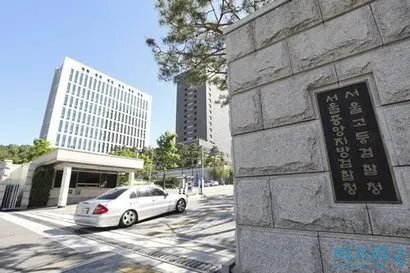
Criticism has been directed at the prosecution for creating "judicial risk" for over four years. To determine whether to appeal, the prosecution convened a review committee composed of external members such as professors and legal professionals. According to Supreme Prosecutors' Office regulations, prosecutors must request a review when they intend to appeal a case where the defendant has been acquitted in both the first and second instances. Six members, including lawyers and professors, participated. During the 90-minute meeting, the prosecution's investigation team argued for the necessity of an appeal based on rulings such as the Seoul Administrative Court’s decision last year, which found issues with Samsung Biologics' accounting practices.
“Guilty-to-innocent ratios should be reflected in personnel decisions”
Ultimately, the committee reached a consensus that "it is worth filing an appeal." The prosecution filed appeals not only for Chairman Lee but also for the 13 other former and current executives, including Choi Gee-sung, who were also acquitted.
There are varying interpretations within the legal community regarding the prosecution's "respect for the committee's opinion." When Chairman Lee was first indicted in 2020, a prosecution review committee was held to decide on the indictment; despite that committee recommending "non-indictment," the prosecution forced the indictment through anyway.
With acquittals in both the first and second trials, Lee Bok-hyun, head of the Financial Supervisory Service, who led the investigation as the team leader at the time, apologized, saying, "As the person in charge of the indictment, I apologize to the public for failing to prepare enough to persuade the court." Nevertheless, the prosecution pushed ahead with the appeal, citing respect for the appellate review committee's opinion.
There are also growing concerns about the current leadership at the Supreme Prosecutors' Office, including Prosecutor General Sim Woo-jung. A high-ranking prosecutor pointed out, "Even regarding the process of transferring President Yoon Suk-yeol's case to the Corruption Investigation Office for High-ranking Officials and then receiving it back for indictment, there is open talk within investigation teams that 'no one knows what the Prosecutor General's plan is,'" adding, "There is a concern that those who do not want to take responsibility are using the review committee as an excuse for their decisions." This is why some in the legal community argue that "investigating and prosecuting attorneys should also be held responsible for acquittals."
A sitting judge explained, "If you look at the prosecution's personnel history over a long period, those special unit prosecutors who aggressively pursued investigations directed by the regime and secured indictments often rise in their careers even if the case ends in an acquittal, while those who didn't engage in excessive investigations are sidelined. Just as those who were wrongfully arrested in the course of an investigation receive compensation upon acquittal, it seems necessary to factor in the ratio of guilty to innocent verdicts in the personnel evaluations of investigating prosecutors or impose penalties."