

[비즈한국] With many students looking for studio apartments ahead of the new semester, real estate platforms are seeing an uptick in fraudulent listings, prompting calls for caution. Scammers are using sophisticated tactics, such as posting properties with attractive prices and locations and even showing rooms in person. Beyond this, "classic" false listings—where users are shown rooms that differ from the online advertisement or provided with inaccurate information—remain rampant, highlighting the need for stronger countermeasures.
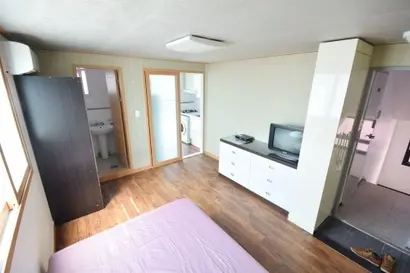
Fraud cases involving individuals impersonating real estate agents to trick users into monthly rent contracts are on the rise. The method involves posting a fake listing at a price slightly below market value and, once an interested tenant appears, inducing them into a contract without a face-to-face meeting. According to a victim, identified as A, the person who posted the listing introduced themselves as a realtor from 'B Real Estate' in Gyeonggi-do and even provided the address and the digital door lock password for the room. When A expressed interest and asked about the contract, the scammer insisted on a non-face-to-face electronic contract, claiming, "The landlord is in a different region, so it’s hard to meet in person."
Feeling uneasy about the price and the non-face-to-face requirement, A visited a nearby real estate agency to verify the information before signing, only to discover it was a scam. A recounted, "They kept emphasizing that I shouldn't worry and that it was a legitimate listing. They even went as far as pretending to negotiate the deposit and monthly rent with the 'landlord' to build trust." The listing has since been removed from the platform.
Upon investigation, it was found that B Real Estate does exist, but the individual claiming to be a realtor was an imposter. An official from B Real Estate stated, "There is no such person here. We've heard that someone is using business cards that steal our name and address. We've had victims come to our office expecting to sign a contract for a room they saw online. We reported it to the police to prevent further damage, but it was to no avail. They told us they can only investigate once actual financial fraud has occurred. We understand the scammer has been using the same tactic in other regions as well."
The problematic listing was a direct-deal post, not one uploaded by a platform-verified agency. Direct deals are listings posted by landlords or tenants themselves without going through an agent. While it saves on brokerage fees, it carries a high risk of fraud. Major real estate platforms, including Dabang (Station 3), Peter Pan’s Good Room Hunt (Toad World), and Karrot, handle such direct-deal listings.
However, platforms lack effective measures to prevent these fraud cases. In the case of Dabang, listing management has been outsourced to the Korea Internet Self-Governance Organization (KISO) since May 2023. When a report is filed, KISO—not an internal team—handles the verification and processing. Since KISO’s Real Estate Listing Verification Center primarily focuses on verifying and sanctioning professional realtor listings, individual listings are difficult to handle.
Toad World previously offered "Safe Direct-Deal Service" (insurance covering damages from void ownership or leasehold rights) between 2017 and 2019, but it has since been discontinued. It has since introduced "smart" direct-deal services, such as electronic contracts and AI legal advice.

Unlike other platforms, Karrot is primarily based on direct transactions between local residents, with realtor listings only available on a trial basis in select areas. Consequently, Karrot has implemented several layers of anti-fraud measures, including: a "landlord verification feature" to confirm if the poster matches the owner on the property registry; a feature to view the registry and analyze property rights within the chat; in-house monitoring; direct-deal guides; and blocking listings once fraud is confirmed.
Some platforms have banned direct deals entirely. Zigbang explicitly states in its "List Your Room" section, "We do not provide direct-deal services because they occur without a realtor, posing a risk of legal disputes." The structure requires both tenants and landlords to register listings only through real estate agencies verified by Zigbang.
Meanwhile, there are still many false listings posted by professional agencies across various platforms, necessitating proactive measures. False listings refer to properties with fabricated information or those that are unavailable for transaction. Common tactics include posting photos of a beautifully decorated room, only for the user to be met with various excuses and shown a different room upon inquiry. It is also common to falsify details like move-in dates just to solicit contact from users.
Employee C, who found a home via a platform before moving in February, lamented, "I looked at over 10 listings, but most were fake. When I called, some places even openly admitted they were 'bait listings posted for advertising.' With my move-in date approaching and the exhaustion from dealing with fake ads, I eventually signed a contract for a room that didn't meet all my criteria but was in acceptable condition."
KISO defines false listings in its voluntary code of conduct for online real estate advertising as: properties with false/exaggerated prices, listings impersonating agents, listings that were already contracted but not removed, listings posted despite the client withdrawing the request, and listings with inaccurate information. KISO sanctions agencies that post forbidden listings with measures like restricting listing privileges or platform access. However, agencies can evade penalties by closing down and re-registering as new business entities.
A real estate industry official advised, "Since fraud and false listings are always a risk, one must be careful. It is better to visit the agency in person to verify the property and documents. If you sign an electronic contract, it is difficult to verify if the other party has provided fake personal information. You could lose not just the down payment, but the entire deposit, so you must always meet in person to sign documents."