

[비즈한국] As shortages of diabetes medications continue to recur, voices are once again suggesting that this issue may be caused by pharmaceutical companies focusing their production on obesity treatments. According to data from the Ministry of Food and Drug Safety’s "Drug Safety Nara" and the Korea National Institute for Rare Diseases, although the number of reported supply shortages for major diabetes medications has decreased, it is taking longer than last year for supplies to resume.
According to the "Current Status of Discontinued/Shortage Drugs" from Drug Safety Nara and the "Resumed Supply Items" list from the Korea National Institute for Rare Diseases, reports of "supply shortages" for major diabetes medications such as Humalog, Trulicity, and NovoRapid continue to occur. By year, there was 1 case in 2022, 7 cases in 2023, and 2 cases in 2024. By product, the supply shortage for Trulicity was the most prominent. This included 5 cases for Trulicity (3 cases of 0.75mg/0.5mL, 2 cases of 1.5mg/0.5mL), 4 cases for Humalog 100 units/mL, and 1 case for NovoRapid 100 units/mL.
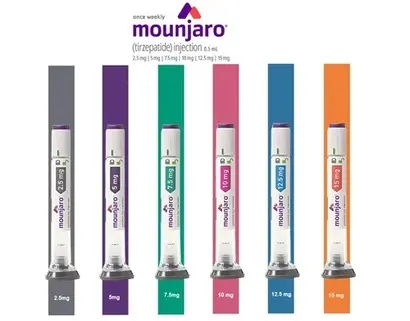
The shortage of diabetes medications occurred intensively last year. At the time, the medical community pointed out that pharmaceutical companies might have reduced production of diabetes drugs to focus on obesity treatments, such as Eli Lilly’s "Mounjaro" and Novo Nordisk’s "Wegovy." Last year, for the health insurance-covered "Trulicity," supply shortages were reported for both the 0.75mg/0.5mL and 1.5mg/0.5mL versions in June and August. At the time, pharmaceutical companies denied these claims, explaining that "the cause is a global increase in demand for the products."
The problem is that the time required for supply to resume has been getting longer each year. Comparing the reporting dates of supply shortages with the resumption dates, it took 1 to 4 months for supply to normalize last year. However, this period has nearly doubled this year. For Trulicity 0.75mg/0.5mL, normalization was expected around March following the "supply shortage" report in January, but supply did not resume until the end of September, about 9 months later. Humalog 100 units/mL saw its supply normalize at the end of August, about a month after the "supply shortage" report in July.
The supply volume for next year is also uncertain. According to the "Finished Drug Supply Shortage Report" submitted by Eli Lilly Korea in January this year, the final imported stock is expected to be exhausted within this month. Regarding the cause of the shortage, Eli Lilly Korea stated in the report, "As clinical recommendations for GLP-1 receptor agonists have strengthened, global demand has increased rapidly, leading to a persistent shortfall in imports relative to demand." They added, "Due to the supply shortages that have persisted since the first half of the year, it is difficult to predict when inventory supplied to wholesalers and pharmacies will run out, but the final imported volume is expected to be depleted within December 2024."
Eli Lilly Korea also stated, "We are making efforts to ensure that supplies reach patients who strictly require ongoing administration to minimize the impact of the supply shortage on patient treatment. We are also sharing the situation by sending official letters to medical staff and relevant organizations to prevent cases where patients cannot continue treatment after a new prescription."
In the field, there are concerns that the shortage of GLP-class diabetes medications may persist ahead of the launch of obesity treatments like Mounjaro. Furthermore, it is not easy to find alternatives for "Trulicity," a GLP-class diabetes medication that is covered by insurance. One internal medicine specialist said, "Treatments like Victoza and Saxenda are difficult to get covered by insurance, making them unviable as alternatives. As the shortages keep repeating, patients continue to express anxiety about the supply."