

[비즈한국] The warrant review for Son Tae-seung, the former chairman of Woori Financial Group316140, who is suspected of involvement in illicit loans to relatives, was held again at the Seoul Southern District Court on the 12th. Although the prosecution reiterated the necessity of detaining the former chairman, the court decided to dismiss the warrant just four hours after the hearing concluded.
As this is the second time a warrant request has been dismissed, voices within the legal community are pointing to the prosecution’s "unreasonable" warrant applications. Typically, a warrant is re-requested only when new evidence to prove the charges is secured or new charges are added, leading to a judgment that "detention" is necessary. Critics argue that the prosecution is pushing for re-arrest warrants prematurely to expand the investigation toward higher-ups.
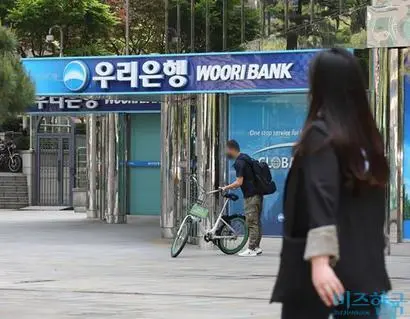
Prosecution Emphasizes Necessity of Son Tae-seung’s Detention by Compiling 'Witness Statements'
The prosecution suspects that between April 2020 and early this year, Woori Bank provided tens of billions of won in preferential, illicit loans to corporations or individual businesses associated with the former chairman’s brother-in-law, and that Son was involved in this process.
During the second warrant review for Son Tae-seung on the 12th, the prosecution highlighted information secured through supplementary questioning of witnesses. They claimed that when Son was chairman of Woori Financial Group, reports were made to him to the effect that "there are rumors circulating about things related to your brother-in-law, so you should be careful."
The prosecution also alleged that two loan officers who cooperated with the loans were later transferred to a branch in Gangnam with a staggered timeline, claiming this was "quid-pro-quo personnel favoritism," given that it is a branch with high personnel demand. They argued that detention was necessary because the former chairman was sufficiently aware of the loans and there was room to view the transfers as personnel favors.
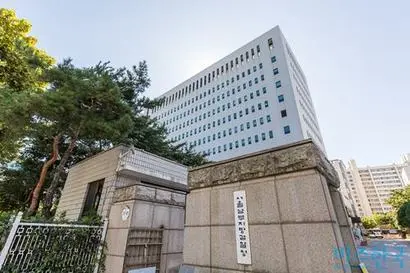
However, the former chairman's side countered, "Regarding the reports about my brother-in-law, I provided a standard response telling them to 'check if there are any issues,' and I do not get involved in individual personnel matters, so I knew nothing about them." They explained that while it is true the two loan officers were transferred to a Gangnam branch, it is difficult to view it as favoritism when considering their performance evaluations.
Dismissed in Just 4 Hours… "A Very Obvious Rejection"
About four hours later, the warrant-exclusive judge at the Seoul Southern District Court decided to dismiss the warrant, stating, "Even based on the supplementary materials provided after the first warrant dismissal, there remains room for dispute regarding whether the suspect conspired in the crime." The court also stated, "There is a need to guarantee the suspect's right to defense," which is similar to the reason for the first dismissal on the 22nd of last month. At that time, the court explained that it was "difficult to acknowledge the necessity or appropriateness of detention."
This essentially points out that the prosecution’s "supplementary investigation failed to prove the charges," despite re-requesting the warrant after only two weeks. A legal expert familiar with this case noted, "The court started the warrant review at 2:00 PM and notified the results before 9:00 PM, which is effectively saying the request was 'obviously dismissible.'"
Criticism has arisen that the problem lies in the prosecution attempting to force an investigation into the "higher-ups"—specifically aiming to hold current management, such as Bank President Cho Byung-kyu and Chairman Yim Jong-yong, accountable—after making the former chairman responsible for approximately 40 billion won in additional illegal loans alongside the Financial Supervisory Service.
The aforementioned legal expert remarked, "The prosecution is conducting a forced investigation where they have only drawn the picture of 'who they want to lock up' without securing actual evidence. To prove illicit lending, they must demonstrate communications regarding personnel requests or the exchange of bribes between the former chairman and his brother-in-law, but since there is none, they are unreasonably requesting warrants based solely on 'possibilities.'"